Wastewater Treatment in Portland–Portland has its own rhythm when it comes to water. The storms. The freeze–thaw cycles. The weeks when the ground can’t make up its mind. And somewhere under all that, y’all have wastewater systems trying to keep up. That’s usually when homeowners and engineers start asking the real question: why do trickling filters still work so well for wastewater treatment in Portland?
It’s a fair question. New technologies show up every year. But the trickling filter keeps holding its ground. It’s old. It’s reliable. And in a place like Portland, it still punches way above its weight. Let’s walk through why that happens , and why people keep coming back to it.
When Portland’s Climate Doesn’t Play Nice
- When Portland’s Climate Doesn’t Play Nice
- What the Trickling Filter Does Better Than Most Systems
- When You Need a System That Doesn’t Quit
- The Hidden Value Nobody Notices: Stability
- Why Portland’s Soil Makes the Trickling Filter a Natural Fit
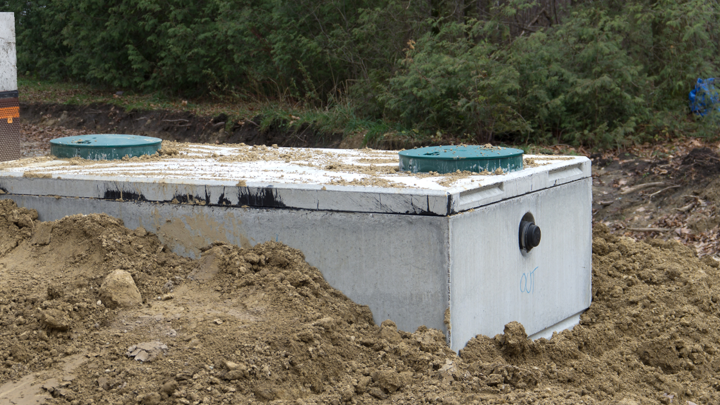
- The Partnership Between Trickling Filters and Advanced Septic Systems
- Why Portland Still Trusts a System That’s Been Around Forever
- So Why Do Trickling Filters Stay at the Top?
The first thing y’all notice around here is how quickly conditions change. One day the soil’s frozen. The next day everything’s soft. Then you get rain on top of melting snow, and suddenly the whole yard feels like a sponge.
That’s exactly why wastewater treatment in Portland has to be flexible. Systems can’t rely on perfect conditions. They can’t depend on steady temperatures or predictable drainage. They need something that keeps working even when the whole landscape flips overnight.
That’s one of the biggest strengths of the trickling filter. It’s not fragile. It doesn’t panic when the weather does something strange. It just keeps treating wastewater with a steady biological process that doesn’t care what the sky is doing.
What the Trickling Filter Does Better Than Most Systems
A trickling filter is simple. But simple doesn’t mean weak. It means efficiency.
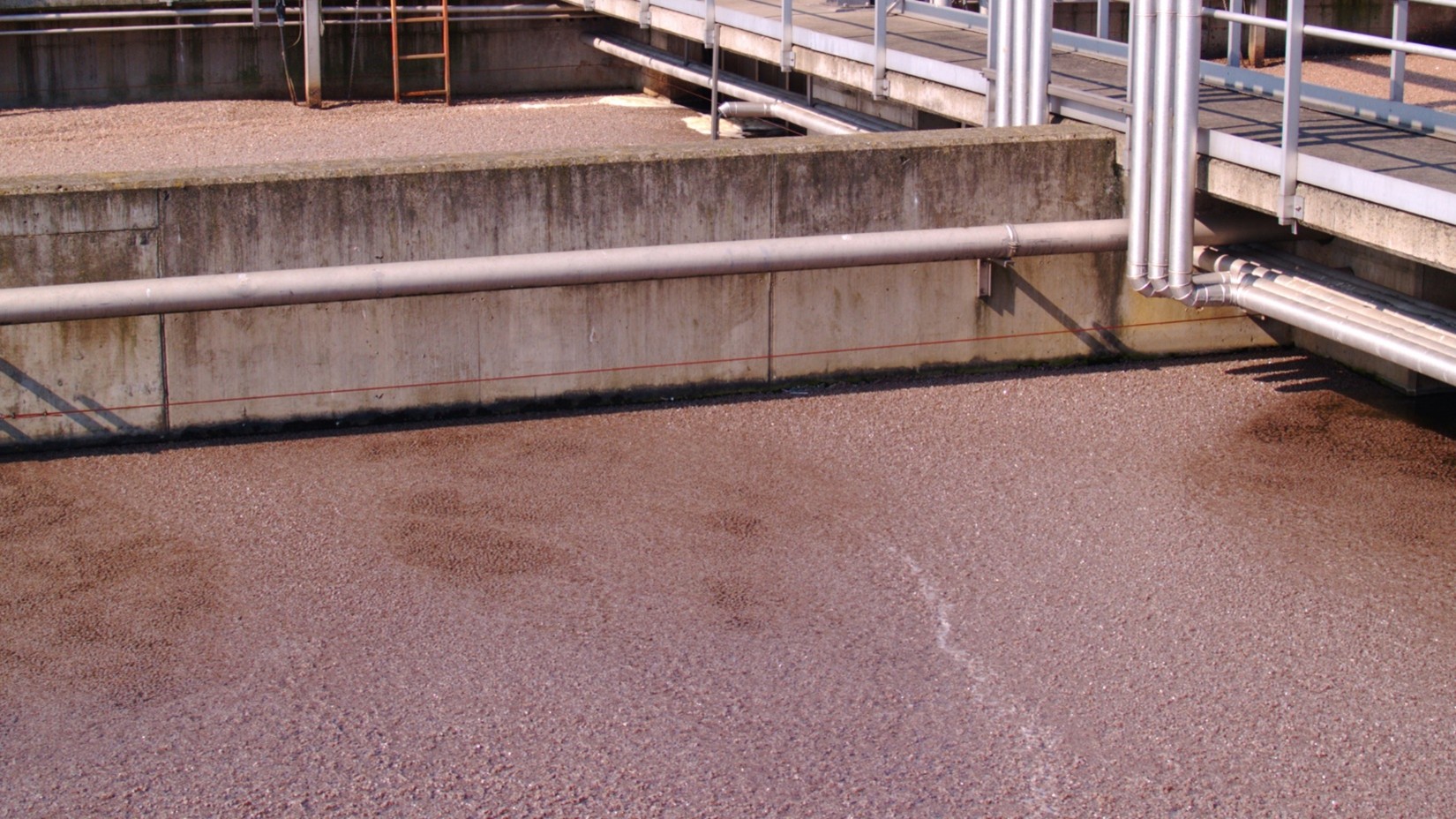
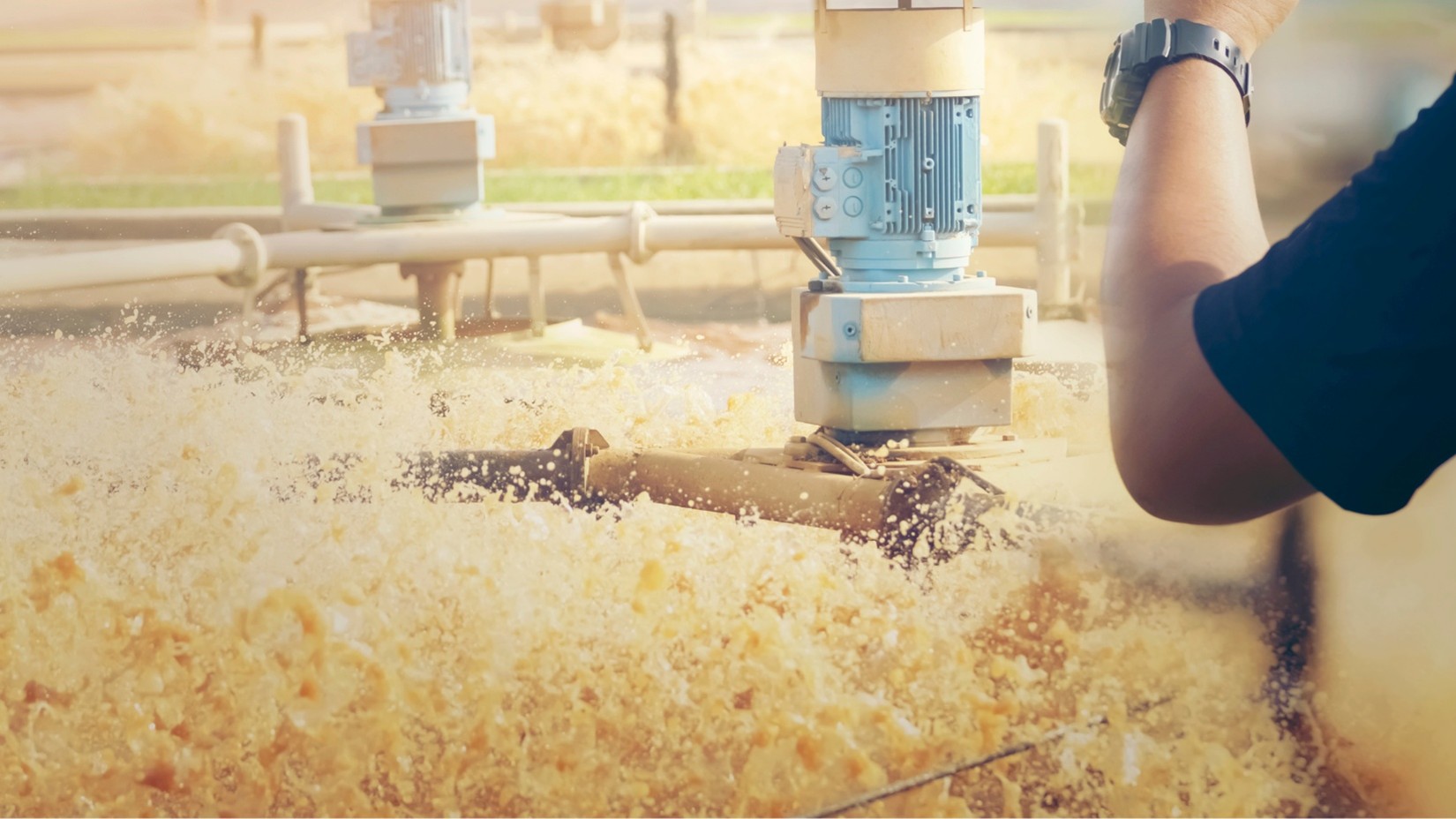
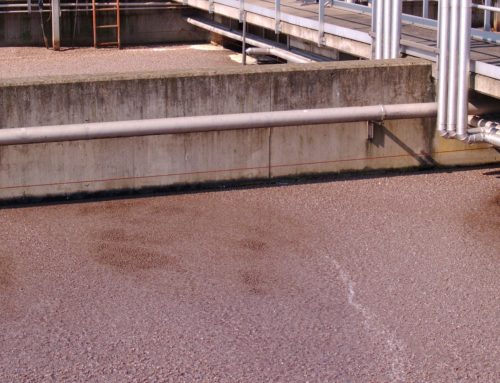
Wastewater flows over a bed of rock or engineered media. A biofilm grows across it, that living layer everyone loves to underestimate. And while the water moves, that biofilm breaks down organic matter naturally.
That’s the foundation behind trickling filter wastewater treatment in Portland, ME. Low energy. Low maintenance. High stability. Everything that Portland soil and weather conditions demand.
Modern trickling filters add control, structure, and optimization. SeptiTech’s designs use engineered media, managed flow, and stronger oxygen exposure. That means the system works smoother. Faster. And with better consistency year-round.
When You Need a System That Doesn’t Quit
Here’s the thing y’all see with newer, more mechanical systems: they’re amazing when the weather behaves. But when the cold hits? When moisture freezes inside pipes? When temperature swings punch the system over and over?
That’s when trickling filters shine.
Portland winters can knock out equipment that depends on pumps and sensitive aeration. But trickling filters rely on passive airflow. No moving parts to crack. No electronics to glitch. Biology keeps working even when the temperatures dip.
That’s why trickling filter wastewater treatment in Portland has stayed reliable long after other methods have struggled in the cold.
The Hidden Value Nobody Notices: Stability
People talk a lot about capacity and flow rate. But stability is what keeps wastewater systems alive. Stability is what prevents backups, odors, blockages, and regulatory problems.
Wastewater trickling filters handle fluctuations better than most systems. Heavy flow? The biofilm adjusts. Lower flow? It throttles itself back. Cold night? The biomass stays active inside deeper layers of the media.
That’s why y’all see so many engineers recommending wastewater trickling filters in Portland, ME when a site isn’t consistent enough for a more sensitive system.
Stability is quiet, but it’s powerful. Trickling filters deliver it every day.
Why Portland’s Soil Makes the Trickling Filter a Natural Fit
Not every yard drains the same. Not every property has the same soil. Portland has pockets of clay. Sand. Rock. And some places that look like they can’t make up their mind.
That’s where trickling filters blend in beautifully.
They don’t depend on soil for the bulk of the treatment. The soil gets cleaner, pre-treated effluent, which means easier dispersion and less stress on the drain field.
This is exactly why wastewater treatment in Portland leans on trickling filters when the ground becomes unpredictable. You take pressure off the soil. You reduce the risk of failure. You extend the life of the entire system.
For homeowners who’ve dealt with soggy drain fields or slow recovery after winter, that’s a game-changer.
The Partnership Between Trickling Filters and Advanced Septic Systems
Here’s where it all comes together.
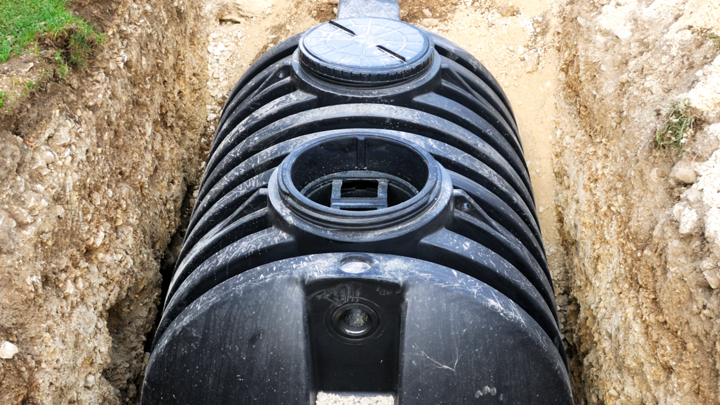
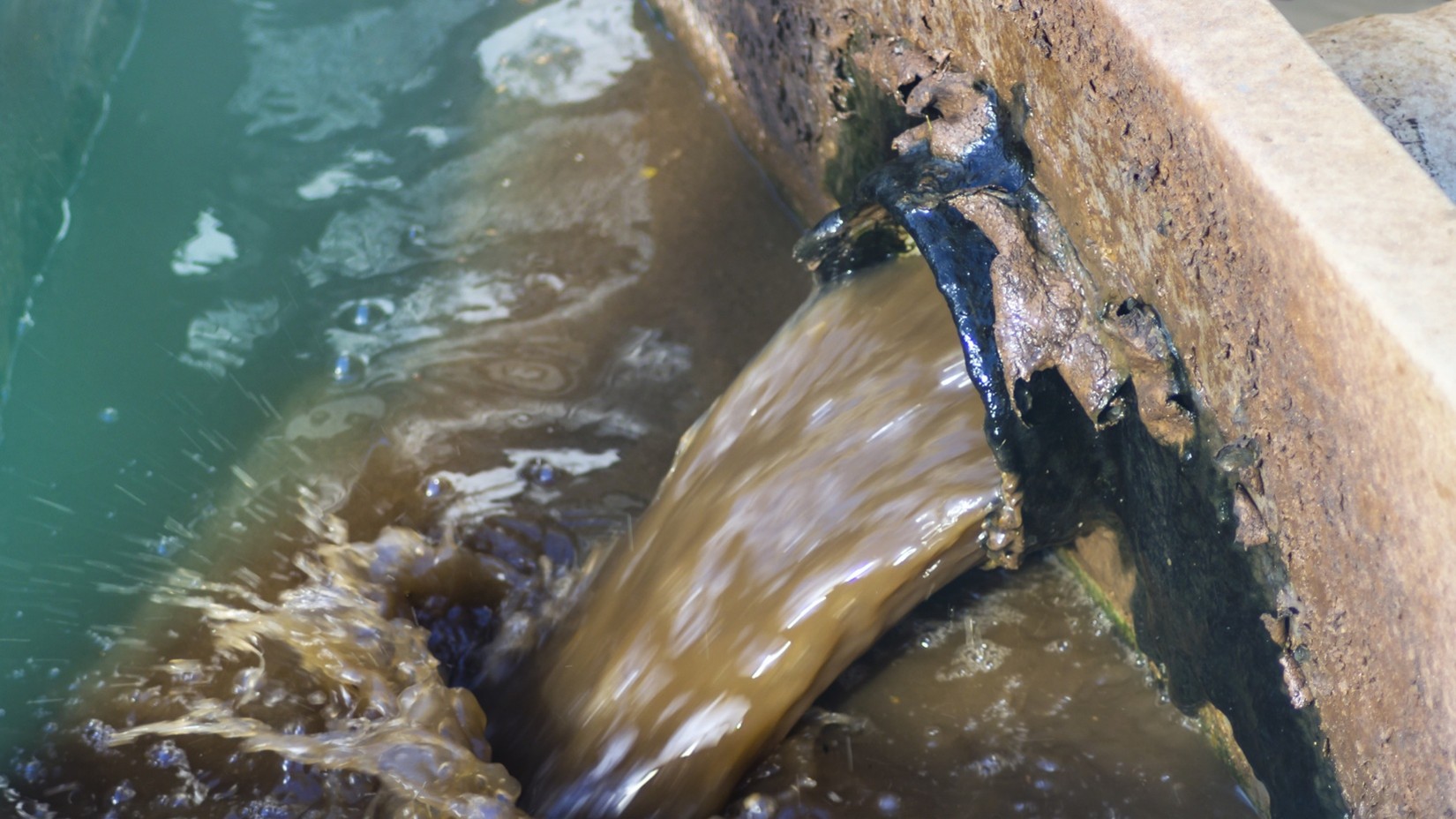
A modern septic system does the primary work, separation, settling, and early treatment. Then the trickling filter handles the sophisticated part. It polishes wastewater. Removes more organic matter. Helps reduce nitrogen. Adds oxygenation. And sends much cleaner effluent downstream.
That’s why you’ll often see trickling filters paired with advanced septic tank solutions in Portland, ME.
One handles the heavy lifting. The other delivers the finishing touch.
And that combination is what keeps systems compliant, long-lasting, and low-maintenance.
Why Portland Still Trusts a System That’s Been Around Forever
People hear “traditional” and think “outdated.” But trickling filters aren’t outdated. They’re proven. They’re refined. They’ve gone through decades of upgrades, engineering tweaks, and data-backed improvements.
While other technologies come and go, trickling filters stick around because they match the real conditions, not the ideal conditions , in places like Portland.
And when y’all look at how many systems still rely on wastewater trickling filters in Portland today, it tells you everything.
They work. They last. They’re predictable. And they do the job even when the weather, soil, and flow patterns get messy.
So Why Do Trickling Filters Stay at the Top?
Because Portland doesn’t give systems an easy ride. And trickling filters don’t need one.
They adapt fast. They clean naturally. They survive the cold. They reduce strain on septic components. And they balance old-school biology with modern engineering.
When folks ask why wastewater treatment in Portland still leans so heavily on trickling filters, the answer’s simple:
Nothing matches their mix of reliability, simplicity, and performance.
If your septic system is always causing problems, it might be time to call SeptiTech.
They’ve got something called the STAAR® system that just works. You won’t need to keep checking on it or worry about constant upkeep.
It’s made to handle the heavy lifting without you even thinking about it. Whether it’s for your home or a bigger property, they know how to set up a system that fits what you need. Give them a call at 207.333.6940 or fill out a form here. See how they can make things simpler for you.


 (207) 333-6940