If you’re planning a new septic system or replacing one that’s no longer performing well, you’ve probably realized there isn’t a one-size-fits-all solution. Every property has its own characteristics, and what works perfectly on one site may not be the best choice for another. That’s why we spend more time learning about the property than talking about equipment during our first conversation. In many cases, trickling filter wastewater treatment in New Hampshire becomes an excellent option because it provides a higher level of treatment while adapting well to challenging site conditions. Understanding when this technology makes sense can help you make a more informed decision before your project begins.
Why Isn’t a Conventional Septic System Always Enough?
- Why Isn't a Conventional Septic System Always Enough?
- What Is a Trickling Filter Wastewater System?
- What Types of Sites Benefit Most?
- How Does This Technology Improve Wastewater Treatment?
- What Role Do Wastewater Trickling Filters Play?
- Can Trickling Filters Help Reduce Nitrogen?
- How Do Trickling Filters Compare to Other Advanced Systems?
- How We Evaluate Each Property
- Why Property Owners Trust SeptiTech
- Frequently Asked Questions
- Find the Right Wastewater Treatment Solution for Your Property
For decades, conventional septic systems served countless homes throughout New Hampshire. When the soil was suitable and there was plenty of room for a drainfield, those systems often provided dependable performance. Today’s building conditions are often different. Many new homes are being built on smaller lots or in environmentally sensitive areas where protecting groundwater is a much higher priority than it was years ago. Some properties have shallow bedrock, high seasonal groundwater, steep slopes, or soils that don’t naturally provide enough treatment before wastewater reaches nearby water resources. In situations like these, relying entirely on the drainfield to finish the treatment process may not be the best approach. Instead, additional treatment before wastewater enters the soil can significantly improve overall system performance. That’s one reason trickling filter wastewater treatment in New Hampshire has become increasingly common for both new construction and replacement systems.
What Is a Trickling Filter Wastewater System?
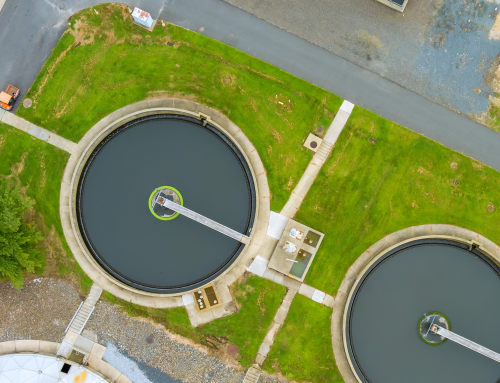
Despite its name, a trickling filter doesn’t work like the filter in your refrigerator or HVAC system. Instead, it’s a biological treatment process that encourages naturally occurring microorganisms to do what they already do best—break down organic contaminants in wastewater. After wastewater leaves the septic tank, it’s distributed across specially engineered treatment media. As the water slowly trickles through that media, beneficial bacteria consume organic matter before the treated water moves to the next stage of the system. Because oxygen is continuously available throughout the process, those microorganisms can work far more efficiently than they would inside a conventional septic tank alone. The result is cleaner wastewater entering the drainfield, which benefits both the property owner and the surrounding environment.
What Types of Sites Benefit Most?
Every property is different, but over the years we’ve found that several situations consistently benefit from trickling filter wastewater treatment in New Hampshire. Properties located near lakes, rivers, wetlands, or coastal areas often require higher treatment standards to help protect sensitive ecosystems. Sites with limited usable land may also benefit because advanced treatment can improve the quality of wastewater before it reaches the dispersal area. Homes with difficult soil conditions are another common example. Clay soils, shallow bedrock, and high groundwater can all reduce the effectiveness of conventional treatment systems. By improving treatment before wastewater reaches the soil, trickling filter technology helps compensate for some of those natural limitations. We’ve also worked with homeowners replacing older septic systems that have struggled for years. In many cases, upgrading to an advanced treatment system offers a more practical long-term solution than simply rebuilding the same type of system that previously experienced problems.
How Does This Technology Improve Wastewater Treatment?
One of the biggest advantages of wastewater treatment in New Hampshire using trickling filter technology is that much of the biological treatment happens before wastewater reaches the drainfield. Instead of placing the entire workload on the surrounding soil, the treatment media supports large populations of beneficial bacteria that continuously remove contaminants. That means cleaner effluent enters the drainfield, reducing organic loading and allowing the soil to perform the polishing treatment it was intended to provide. Effective wastewater treatment in New Hampshire isn’t simply about meeting regulations. It’s also about helping wastewater systems operate more efficiently over the long term while protecting groundwater resources that communities depend on every day.
What Role Do Wastewater Trickling Filters Play?
People sometimes assume that trickling filters are complete wastewater systems by themselves, but they’re actually one component within a carefully designed treatment process. Wastewater trickling filters in New Hampshire create an ideal environment for biological treatment to occur. The engineered media provides tremendous surface area where beneficial microorganisms can attach, grow, and continuously treat wastewater as it passes through the system. Unlike chemical treatment methods, this process relies on naturally occurring biological activity that’s been refined through decades of engineering and real-world performance. Modern wastewater trickling filters in New Hampshire are designed to operate reliably while providing consistent treatment under changing household conditions throughout the year.
Can Trickling Filters Help Reduce Nitrogen?
In many parts of New Hampshire, reducing nitrogen has become an increasingly important part of onsite wastewater treatment. Nitrogen that reaches groundwater or nearby surface water can contribute to environmental issues such as excessive algae growth and declining water quality. That’s why many projects now include treatment strategies specifically designed to reduce nutrient loading. One important biological process involved is wastewater denitrification in New Hampshire. During denitrification, naturally occurring bacteria convert nitrate into harmless nitrogen gas before it enters the surrounding environment. Depending on the overall system design, trickling filter technology may work alongside other treatment components to support this process and improve nutrient removal. When protecting environmentally sensitive watersheds is a priority, wastewater denitrification in New Hampshire often becomes an important consideration during system design.
How Do Trickling Filters Compare to Other Advanced Systems?
Every advanced treatment technology has strengths, and no single system is the right answer for every property. That’s why we don’t begin by recommending equipment. We begin by understanding the site. Factors such as soil conditions, available installation space, groundwater elevations, household wastewater flow, local regulations, and long-term property plans all influence which treatment approach makes the most sense. For many properties, advanced septic tank solutions in New Hampshire that incorporate trickling filter technology provide an excellent balance between treatment performance, reliability, and long-term operation. On another property, however, a different advanced treatment process may be more appropriate. The best system is always the one that’s designed around the property’s unique conditions rather than forcing the property to fit a particular product.
How We Evaluate Each Property
At SeptiTech, we’ve learned that asking the right questions at the beginning usually leads to better long-term results. Before recommending any treatment system, we take time to evaluate:
- Soil characteristics
- Seasonal groundwater conditions
- Available installation area
- Property slope
- Household wastewater flow
- Local and state permitting requirements
- Environmental sensitivity
- Long-term goals for the property
Looking at the entire picture helps us determine whether advanced septic tank solutions in New Hampshire, including trickling filter technology, are the right fit for the project.
Why Property Owners Trust SeptiTech
Choosing an onsite wastewater treatment system is a significant investment, and it’s not a decision most people make very often. That’s why we believe homeowners deserve clear explanations instead of complicated technical language. For years, we’ve worked with homeowners, builders, engineers, installers, and regulators throughout New England to develop wastewater treatment systems that balance environmental responsibility with dependable long-term performance. Our experience allows us to recommend treatment solutions based on real site conditions rather than one-size-fits-all assumptions. Whether a property requires advanced biological treatment, nitrogen reduction, or another specialized approach, our focus remains on designing systems that perform reliably while protecting New Hampshire’s valuable water resources.
Frequently Asked Questions
Does every property need trickling filter wastewater treatment?
No. Many conventional septic systems continue to perform well on suitable sites. Trickling filter technology is generally recommended when additional treatment is needed because of environmental conditions, regulations, or challenging site characteristics.
Are trickling filter systems difficult to maintain?
Like all advanced wastewater treatment systems, regular inspections and scheduled maintenance help ensure long-term performance. Proper maintenance allows the biological treatment process to continue operating efficiently.
Can trickling filters improve drainfield performance?
Because the wastewater entering the drainfield is cleaner, trickling filter systems often reduce the amount of organic material reaching the soil. That can help reduce stress on the drainfield over time.
Are advanced wastewater systems environmentally friendly?
Yes. Many advanced treatment technologies are specifically designed to improve treatment performance, reduce nutrient loading, and help protect groundwater, lakes, rivers, and other sensitive water resources.
Find the Right Wastewater Treatment Solution for Your Property
Every property presents its own challenges, and the best wastewater treatment system depends on much more than the size of the home. Soil conditions, groundwater, environmental regulations, and long-term performance goals all play an important role in determining the right solution. If you’re wondering whether trickling filter wastewater treatment in New Hampshire is the right choice for your property, the team at SeptiTech is here to help. We’ll evaluate your site’s unique conditions, explain your options in plain language, and recommend a treatment solution designed for reliable performance and lasting environmental protection.
Ready to get started? Reach out to us online at SeptiTech Give us a call at 207-333-6940. If your septic system is always causing problems, it might be time to call. They’ve got something called the STAAR® system that just works. You won’t need to keep checking on it or worry about constant upkeep.

It’s made to handle the heavy lifting without you even thinking about it. Whether it’s for your home or a bigger property, they know how to set up a system that fits what you need. See how they can make things simpler for you.



 (207) 333-6940