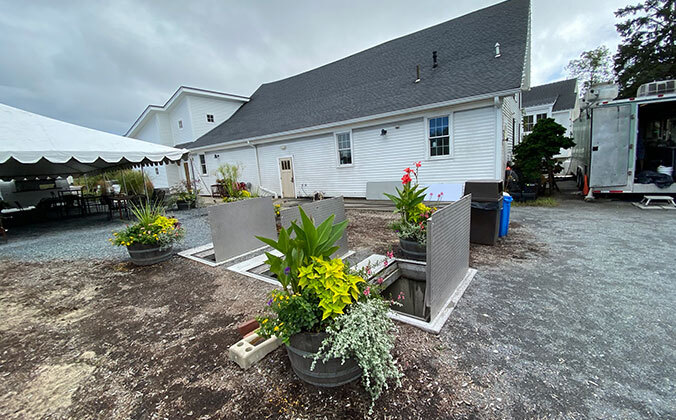
If you’ve started researching septic systems for a new home or you’re replacing one that’s reached the end of its life, you’ve probably noticed there are a lot more options available today than there used to be. It doesn’t take long before terms like “advanced treatment,” “nitrogen reduction,” and “trickling filters” start popping up, and it’s easy to wonder what they all actually mean.
The good news is that you don’t have to become a wastewater expert to understand the basics. At SeptiTech, we spend a lot of time helping homeowners make sense of their options. One thing we’ve learned over the years is that every property has its own challenges, so the right system isn’t always the same from one site to the next. That’s exactly why advanced septic tank solutions in New Hampshire have become increasingly common.
Why Are More Homeowners Choosing Advanced Treatment Systems?
- Why Are More Homeowners Choosing Advanced Treatment Systems?
- So What Makes an Advanced Septic System Different?
- Why Does Nitrogen Matter So Much?
- How Does Trickling Filter Technology Work?
- What Are Wastewater Trickling Filters?
- Why Better Wastewater Treatment Benefits Homeowners
- Why Isn't There One Septic System That Works Everywhere?
- How We Help Homeowners Find the Right Solution
- Why Homeowners Trust SeptiTech
- Frequently Asked Questions
- Ready to Learn More?
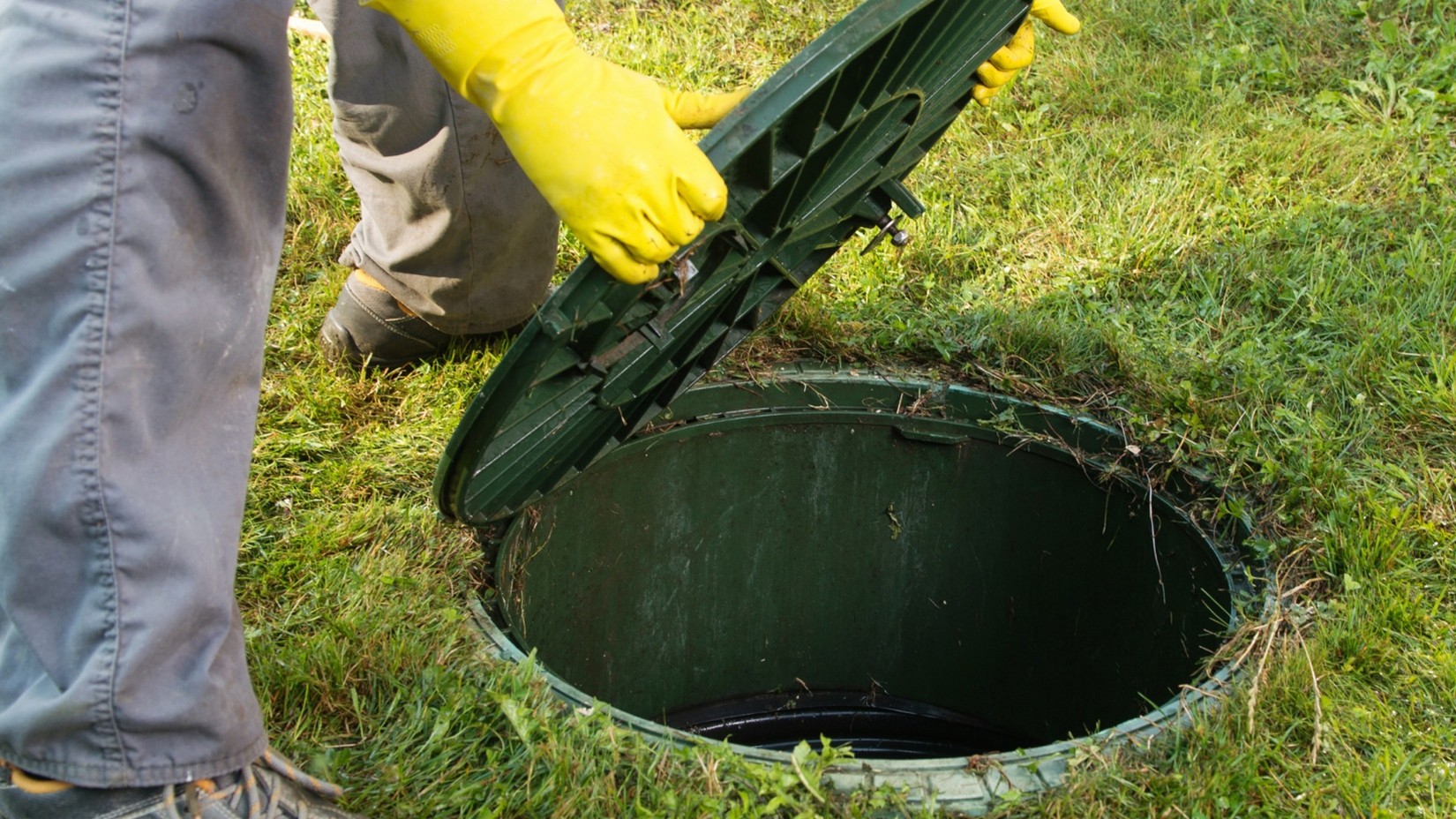
For years, a conventional septic system was all most properties needed. If the soil drained well and there was enough room for a drainfield, installation was usually pretty straightforward. Today’s building sites are often a different story. Many homes are being built on smaller lots, near lakes and streams, or in areas where groundwater sits closer to the surface. Some properties have shallow bedrock, while others have clay-heavy soils that don’t naturally treat wastewater as efficiently. On top of that, environmental regulations have become more focused on protecting groundwater and local waterways.
Those changes have led more homeowners, builders, and engineers to explore advanced septic tank solutions in New Hampshire that provide a higher level of treatment before wastewater reaches the drainfield. Instead of depending almost entirely on the soil to finish the treatment process, these systems do much more of the work inside the treatment system itself.
So What Makes an Advanced Septic System Different?
A question we hear all the time is whether an advanced system is simply a regular septic tank with a few extra parts added on. Not really. A traditional septic system does a good job separating solids from liquids, but much of the actual treatment happens after the wastewater leaves the tank and enters the soil.
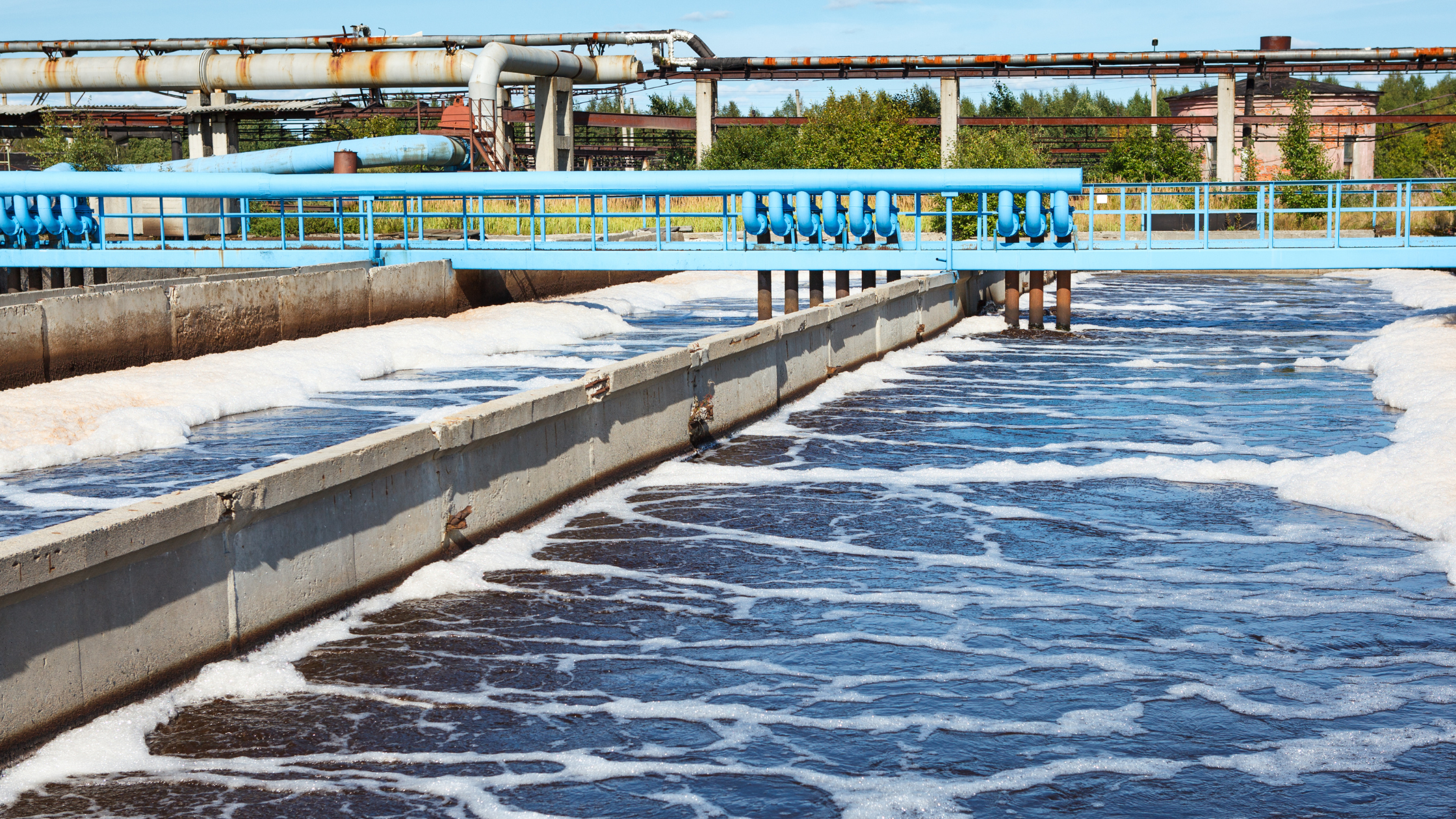
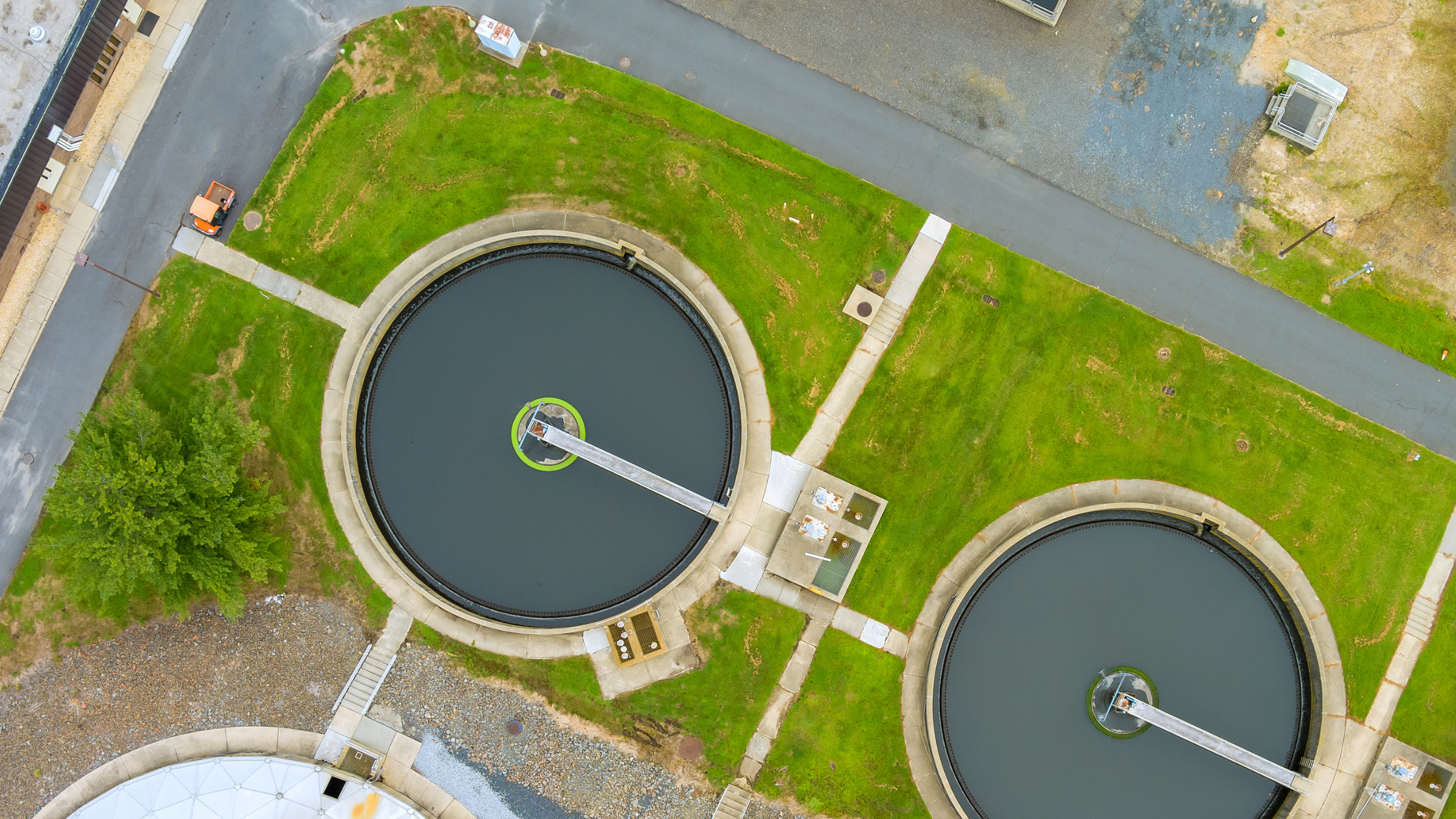
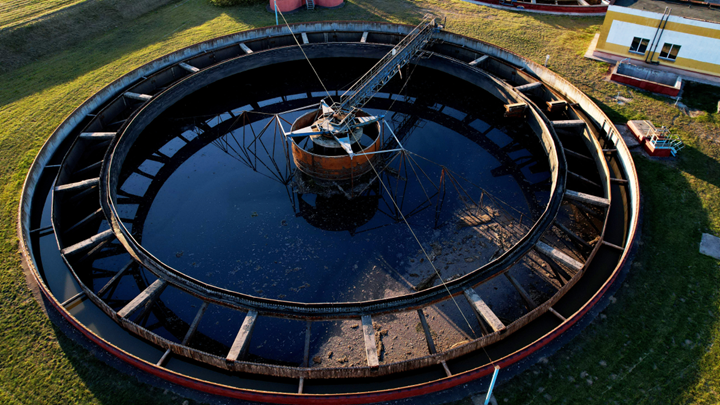
An advanced treatment system begins cleaning the wastewater much earlier. Through carefully designed biological processes, naturally occurring microorganisms break down contaminants before the water reaches the drainfield. That means the effluent entering the soil is significantly cleaner than it would be with a conventional system. Depending on the property, an advanced system may include:
- Biological treatment processes
- Aerobic treatment technology
- Specialized filter media
- Recirculating treatment components
- Nitrogen reduction processes
- Smart monitoring and control equipment
The goal isn’t simply to install more equipment. It’s to match the treatment process to the property’s specific conditions so the system performs reliably for years to come.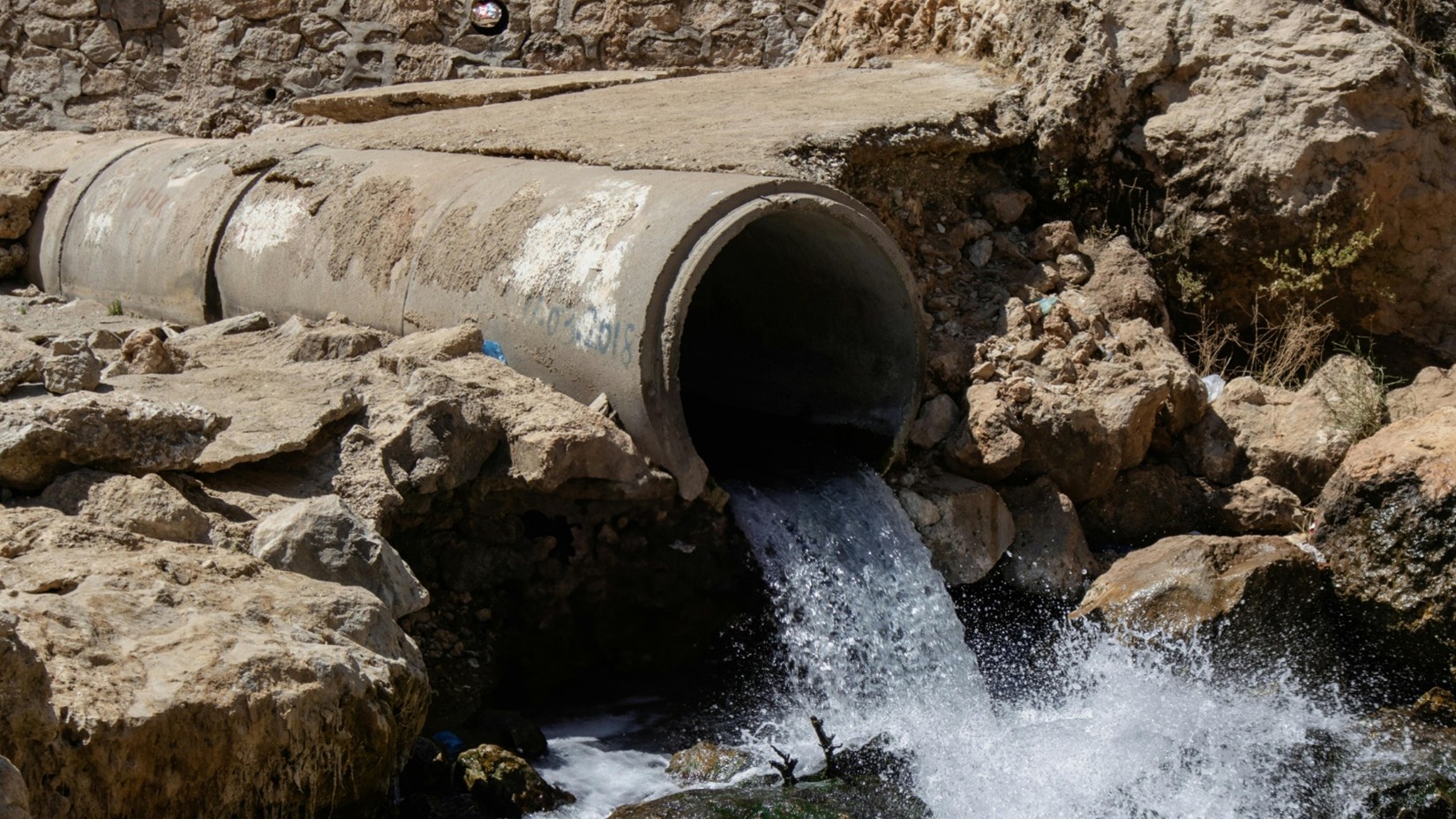
Why Does Nitrogen Matter So Much?
One of the biggest reasons advanced treatment systems are recommended today has to do with protecting groundwater. Wastewater naturally contains nitrogen. If too much nitrogen reaches nearby lakes, rivers, ponds, or groundwater, it can contribute to algae growth and negatively affect water quality. That’s why many environmentally sensitive areas now require systems designed to remove more nitrogen before wastewater leaves the property. This is where wastewater denitrification in New Hampshire plays such an important role.
Denitrification is a natural biological process that converts nitrate into harmless nitrogen gas before it enters the surrounding environment. Instead of allowing excess nutrients to move into groundwater, properly designed treatment systems remove much of that nitrogen during treatment. For homes located near environmentally sensitive watersheds, wastewater denitrification in New Hampshire often becomes one of the key factors engineers evaluate when designing a compliant system.
How Does Trickling Filter Technology Work?
One treatment method we often discuss with property owners is trickling filter wastewater treatment in New Hampshire. The name can be a little misleading because it doesn’t work like the filter in your home or even your HVAC system. Instead, wastewater is gently distributed across specially engineered media where beneficial bacteria naturally grow. As the wastewater slowly moves through that media, those microorganisms consume organic material and continue cleaning the water. Since oxygen is available throughout the process, these bacteria are able to work very efficiently. That’s one reason trickling filter wastewater treatment in New Hampshire has become such a trusted option for advanced onsite wastewater treatment. It’s a proven biological process that provides consistent treatment while remaining relatively simple to operate.
What Are Wastewater Trickling Filters?
People often assume trickling filters are a completely separate septic system, but they’re really one part of the overall treatment process. Wastewater trickling filters in New Hampshire are specialized treatment components that create an ideal environment for beneficial bacteria to thrive. Those naturally occurring microorganisms continuously remove organic matter from the wastewater before it moves on to the next stage of treatment. Unlike chemical treatment methods, this process relies on biology that’s been carefully engineered and refined over many years. Modern wastewater trickling filters in New Hampshire are designed to improve treatment efficiency while helping reduce stress on the drainfield, which can contribute to better long-term system performance.
Why Better Wastewater Treatment Benefits Homeowners
Most homeowners first start looking into advanced systems because they’re told they need one to satisfy permitting requirements. That’s certainly one reason to install one, but it’s far from the only benefit. More effective wastewater treatment in New Hampshire means cleaner effluent entering the drainfield. When less organic material reaches the soil, the drainfield isn’t forced to work as hard every day. Over time, that can help support more reliable performance and improve the overall health of the wastewater system. Advanced treatment can also provide benefits such as:
- Better protection for groundwater
- Reduced nitrogen entering nearby waterways
- Improved treatment on difficult building sites
- Greater flexibility for environmentally sensitive properties
- Compliance with state and local regulations
- Confidence that your wastewater system is performing as designed
For many homeowners, investing in better wastewater treatment in New Hampshire isn’t just about meeting today’s requirements. It’s about protecting their property and preserving the environment around it for years to come.
Why Isn’t There One Septic System That Works Everywhere?
This is something we explain almost every day. Two homes sitting just a few hundred feet apart can require completely different wastewater systems. That’s because what happens underground matters just as much as what’s happening above it. Before recommending any treatment solution, experienced designers evaluate factors like:
- Soil conditions
- Seasonal groundwater levels
- Available space for the drainfield
- Property slope
- Household wastewater flow
- Local permitting requirements
- Environmental sensitivity
- Long-term plans for the property
We’ve seen plenty of situations where a system that performs exceptionally well on one property simply isn’t the best fit for the next one. That’s why our conversations always start with learning about the property before discussing equipment.
How We Help Homeowners Find the Right Solution
At SeptiTech, we’ve never believed there’s a one-size-fits-all approach to onsite wastewater treatment. Every property presents its own opportunities and challenges, and our job is to understand those conditions before recommending a treatment system. We work closely with homeowners, installers, engineers, contractors, and regulators throughout New England to design systems that balance performance, environmental protection, and long-term reliability. Our experience with biological treatment technologies, nitrogen reduction, and advanced wastewater system design allows us to recommend solutions that fit both the property and the regulations that apply to it. Whether you’re building a new home, replacing an older system, or dealing with a particularly challenging site, our goal is the same: help you install a wastewater system that performs the way it’s supposed to for many years.
Why Homeowners Trust SeptiTech
Choosing a septic system isn’t something most people do very often, so it’s understandable to have questions. We’ve spent years helping homeowners work through those decisions, explaining the differences between treatment options without overwhelming them with technical language. We believe people make better long-term decisions when they understand why a recommendation is being made, not just what equipment they’re being shown. That’s the approach we’ve always taken, and it’s one reason so many homeowners throughout New England continue turning to SeptiTech when they need dependable advanced septic tank solutions in New Hampshire.
Frequently Asked Questions
Are advanced septic systems only used on difficult properties?
No. While they’re commonly recommended for challenging sites, many homeowners choose advanced systems because they provide better treatment performance and stronger environmental protection.
Do advanced treatment systems require maintenance?
Yes. Like any wastewater system, regular inspections and scheduled maintenance help keep the system operating efficiently and extend its service life.
Are trickling filters environmentally friendly?
They are. Because they rely on naturally occurring biological processes rather than chemicals, trickling filters provide highly effective treatment while helping reduce contaminants before wastewater enters the surrounding soil.
Can advanced systems last as long as conventional septic systems?
When they’re properly designed, professionally installed, and routinely maintained, advanced wastewater systems are built to provide reliable long-term performance.
Ready to Learn More?
If you’re considering advanced septic tank solutions in New Hampshire, the best place to begin is with an evaluation of your property. Every site has different characteristics, and those differences have a major impact on which treatment system will perform best.
At SeptiTech, we’ll help you understand your options, explain the reasons behind each recommendation, and design a solution that’s built around your property—not a one-size-fits-all approach. Whether your project involves a new home, a replacement system, or a site with challenging environmental conditions, we’re here to help you find a wastewater treatment solution you can feel confident about for years to come.
Ready to get started? Reach out to us online at SeptiTech Give us a call at 207-333-6940. If your septic system is always causing problems, it might be time to call. They’ve got something called the STAAR® system that just works. You won’t need to keep checking on it or worry about constant upkeep.

It’s made to handle the heavy lifting without you even thinking about it. Whether it’s for your home or a bigger property, they know how to set up a system that fits what you need. See how they can make things simpler for you.



 (207) 333-6940