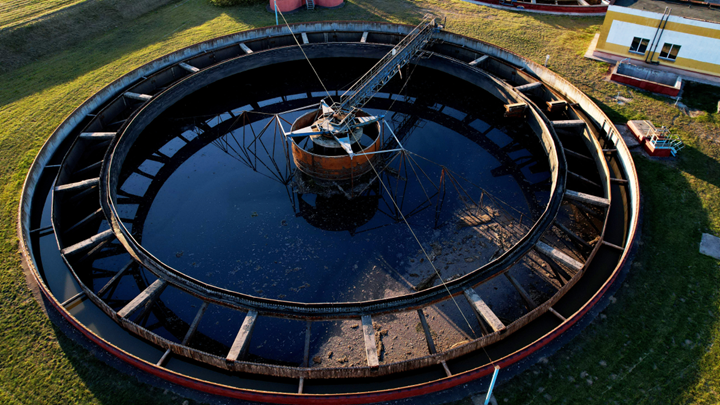
Commercial properties can place very different demands on a wastewater system than a typical residence. Daily flows may fluctuate, space can be limited, and treatment requirements can be more demanding. For many projects, trickling filter wastewater treatment in Portland provides a practical biological treatment approach designed around long-term performance, site conditions, and effluent quality.
Why Does Wastewater Treatment Matter for Portland Commercial Properties?
- Why Does Wastewater Treatment Matter for Portland Commercial Properties?
- What Should Businesses Look for in a Commercial Wastewater System?
- How Does Our Trickling Filter Wastewater Treatment Approach Work?
- Why Can Trickling Filters Make Sense for Commercial Sites?
- How Important Is Nitrogen Reduction for a Portland Project?
- What Benefits Can Professional Wastewater Treatment Provide?
- What Types of Portland Commercial Properties May Need Advanced Treatment?
- How Do Wastewater Trickling Filters Fit Challenging Portland Sites?
- Why Choose SeptiTech for a Portland Commercial Wastewater Project?
- FAQs About Commercial Wastewater Treatment in Portland
- What Is the Next Step for a Portland Commercial Site?
Choosing a wastewater system for a commercial property involves more than calculating how many gallons leave the building each day. We also have to consider when those gallons arrive, how the property is used, available space, treatment objectives, discharge requirements, and the characteristics of the site itself. A restaurant, office building, lodging property, retail facility, or institutional site may experience very different wastewater patterns. Some properties generate fairly steady flows. Others have busy periods followed by hours when very little wastewater enters the system. At SeptiTech, we work with decentralized wastewater treatment applications where those details matter. Rather than assuming one treatment method works everywhere, we believe the system should fit the actual demands of the site. For commercial projects without practical access to centralized sewer infrastructure, advanced onsite treatment can provide an important alternative.
What Should Businesses Look for in a Commercial Wastewater System?
Effective wastewater treatment in Portland starts with understanding what the property needs the system to accomplish. Capacity is certainly important, but it is only one consideration. A commercial system also needs to provide dependable biological treatment under the property’s expected operating conditions. Important factors can include:
- Average and peak wastewater flows
- Daily and seasonal changes in usage
- Available installation area
- Property layout
- Treatment objectives
- Effluent requirements
- Nitrogen reduction needs
- Final dispersal options
- Accessibility for inspection and maintenance
- Local and state permitting requirements
- Plans for future expansion or changing property use
Looking at these factors early can prevent a project from being designed around a wastewater solution that does not match its real-world needs.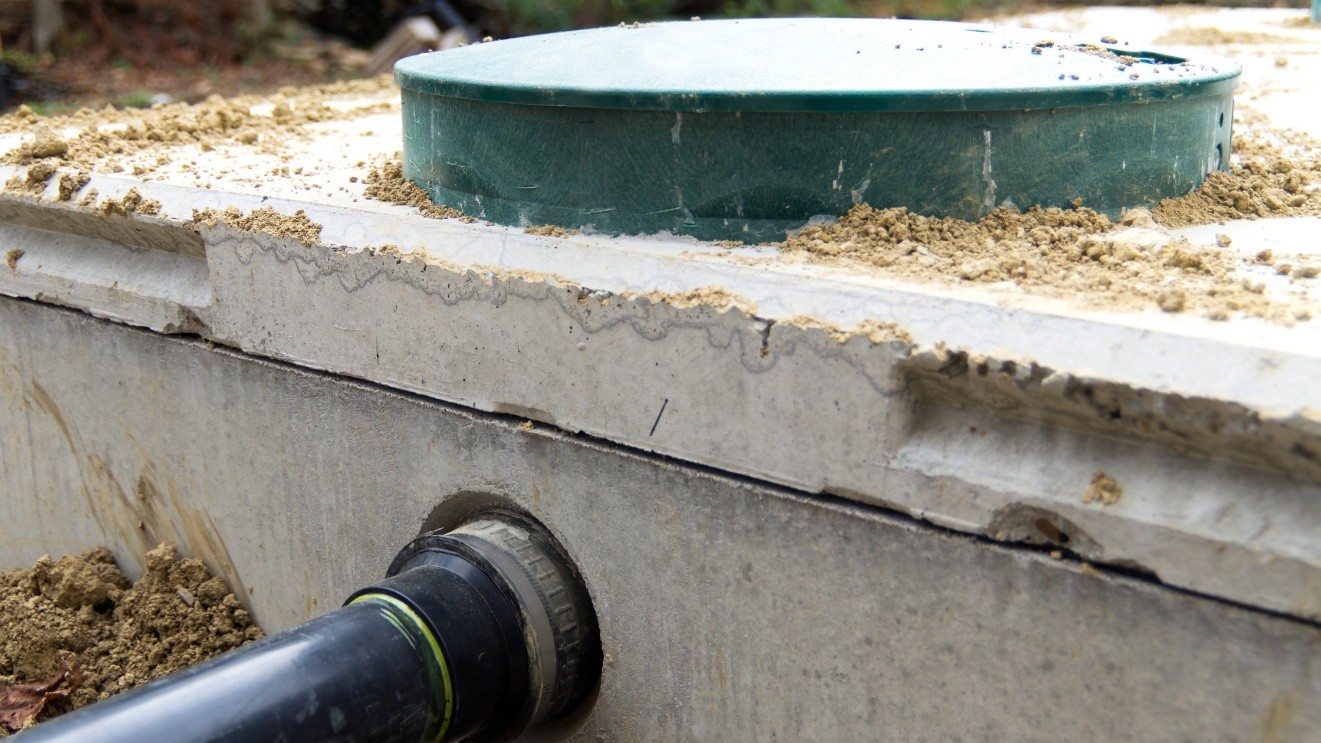
How Does Our Trickling Filter Wastewater Treatment Approach Work?
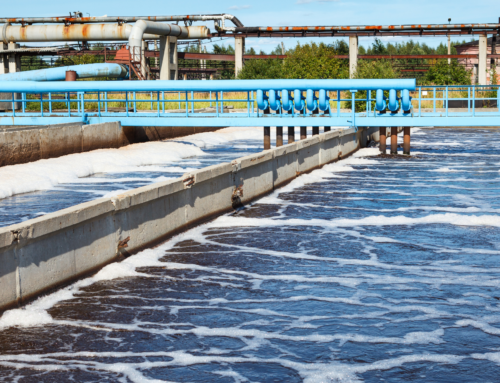
One reason trickling filter wastewater treatment in Portland, ME can be useful for commercial applications is the way biological treatment takes place. A trickling filter is not simply a screen that physically catches contaminants. Instead, treatment media provides surface area where naturally occurring microorganisms can grow. Wastewater comes into contact with this biological community, and the microorganisms consume and break down organic material. Our treatment approach can be understood as a series of connected stages.
Wastewater First Enters the System
Incoming wastewater initially moves through primary treatment, where solids and liquids begin separating. This prepares the wastewater for the biological treatment process that follows. Proper pretreatment matters because downstream biological treatment performs best when the entire system is working as intended.
Wastewater Reaches the Treatment Media
Wastewater is then brought into contact with the trickling filter media. The media creates substantial surface area for biological growth. Naturally occurring microorganisms establish themselves there and become an active part of the treatment process.
Biological Treatment Breaks Down Contaminants
As wastewater repeatedly contacts the biological growth, microorganisms consume organic material. This is one of the major differences between advanced biological treatment and a system that relies mainly on settling and subsequent soil treatment. Biological activity is intentionally incorporated into the treatment process before final dispersal.
Recirculation Provides Additional Treatment
Recirculation is another important part of the SeptiTech process. Rather than giving wastewater only one opportunity to contact the treatment environment, recirculation allows it to move through treatment again. This repeated contact supports biological activity and helps maintain treatment conditions.
Treated Effluent Moves to the Next Stage
After treatment, effluent moves toward the approved dispersal or subsequent treatment stage associated with the particular project. There is no single configuration that applies to every commercial property. Final design depends on flow, site characteristics, treatment requirements, permitting, and other project-specific considerations.
Why Can Trickling Filters Make Sense for Commercial Sites?
Commercial wastewater systems need to work in the real world, not just on paper. That means designers need to consider how a property operates throughout the week and year. Restaurants can experience rush periods. Hospitality properties can have occupancy changes. Seasonal businesses may have dramatically different wastewater flows from one part of the year to another. Properly designed wastewater trickling filters in Portland, ME use an attached-growth biological process. Microorganisms grow on the treatment media rather than depending solely on microorganisms suspended in wastewater. For the right project, that approach can provide several advantages:
- Effective biological treatment
- A treatment process built around naturally occurring microorganisms
- Recirculation through the treatment environment
- Potential flexibility for challenging properties
- Advanced treatment before final dispersal
- Options for projects with nitrogen reduction objectives
The key phrase here is “for the right project.” We would never recommend choosing wastewater technology solely because it sounds advanced. Site evaluation and proper design still come first.
How Important Is Nitrogen Reduction for a Portland Project?
Nitrogen can become a major consideration when wastewater treatment occurs near groundwater, surface water, or environmentally sensitive areas. Conventional wastewater treatment may not always provide the nitrogen reduction required for a particular project. Advanced biological processes can be designed to create conditions that support nitrification and denitrification. During nitrification, biological activity converts ammonia nitrogen into nitrate. Denitrification then uses different biological conditions to convert nitrate nitrogen, ultimately allowing nitrogen to leave the wastewater treatment process in gaseous form. When wastewater denitrification in Portland is part of a project’s treatment objectives, the entire system needs to be considered together. Recirculation, biological activity, wastewater characteristics, treatment stages, flow, and system design can all affect performance. Nitrogen treatment should therefore be evaluated during planning rather than treated as an afterthought once the system has already been selected.
What Benefits Can Professional Wastewater Treatment Provide?
Commercial wastewater treatment is an infrastructure decision. Choosing the right approach can affect property operation for years. Some of the most important benefits include:
Better Effluent Quality
Advanced biological treatment provides another treatment stage before wastewater reaches final dispersal. For projects requiring higher treatment levels, this can be an important advantage.
Practical Use of Available Space
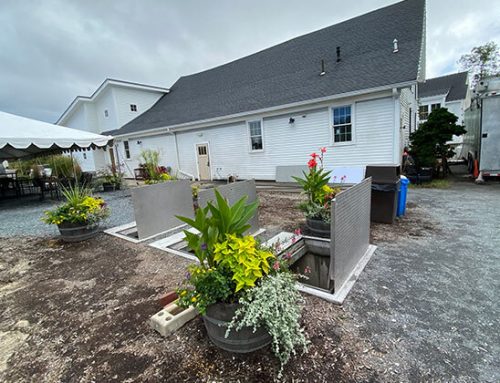
Commercial properties often have competing demands for available land. Parking, buildings, access areas, utilities, stormwater infrastructure, and wastewater equipment may all need room. A properly engineered treatment solution considers wastewater needs alongside those other site demands.
Treatment Designed Around Actual Flow
Commercial wastewater is not always generated evenly. Proper system sizing considers anticipated flows and how the facility will actually operate.
Environmental Protection
Effective wastewater treatment helps reduce the amount of pollutants entering the environment. This becomes particularly important where groundwater and nearby surface waters need protection.
Long-Term Planning
A commercial wastewater system should not be selected solely around opening day. Accessibility, maintenance, expected property use, and possible future changes should be considered during design.
What Types of Portland Commercial Properties May Need Advanced Treatment?
The term “commercial site” covers a broad range of applications. That is why wastewater planning needs to begin with the specific property rather than a generic commercial design. Potential applications can include:
- Restaurants and food-service properties
- Hotels, inns, and hospitality businesses
- Retail developments
- Office properties
- Schools and institutional facilities
- Commercial developments
- Community facilities
- Properties outside practical municipal sewer service areas
Each application presents different wastewater characteristics. A restaurant and an office building of similar physical size, for example, should not automatically be treated as identical wastewater projects. Occupancy, operating hours, wastewater strength, peak flows, and daily use patterns can differ substantially. Our job is to understand those differences before determining what treatment configuration makes sense.
How Do Wastewater Trickling Filters Fit Challenging Portland Sites?
Land constraints can make commercial wastewater planning complicated. The building itself is only one part of the site plan. Developers may also need space for parking, traffic circulation, utilities, setbacks, stormwater management, and wastewater infrastructure. This is where wastewater trickling filters in Portland may become worth considering. Advanced treatment can give engineers and property owners another tool when evaluating decentralized wastewater options. Higher treatment before dispersal may also be valuable when environmental or site conditions require a more thoughtful approach than conventional septic treatment alone. However, advanced treatment does not eliminate the need for good site planning. Soil characteristics, groundwater conditions, wastewater volume, dispersal requirements, setbacks, permitting, and maintenance access still matter. The treatment system should be part of the site’s overall design from the beginning whenever possible.
Why Choose SeptiTech for a Portland Commercial Wastewater Project?
At SeptiTech, we specialize in advanced biological wastewater treatment. That experience matters when commercial projects involve more than straightforward residential wastewater flows. We understand that equipment is only one part of a successful treatment strategy. System selection needs to account for wastewater characteristics, flow patterns, treatment objectives, property conditions, operation, and long-term maintenance. Our technology uses biological treatment and recirculation to provide advanced treatment within decentralized wastewater applications. We focus on creating practical solutions around actual project requirements rather than assuming every commercial property needs the same configuration. That approach is particularly valuable when property owners, developers, engineers, and other project professionals need to balance treatment performance with available space and environmental considerations. We also understand that long-term results depend on proper operation and maintenance. A treatment system should be accessible, serviceable, and supported after installation. Those details deserve attention during planning, not years later when maintenance becomes necessary.
FAQs About Commercial Wastewater Treatment in Portland
Is trickling filter treatment suitable for every commercial property?
No wastewater technology should automatically be considered the best choice for every property. Flow, wastewater characteristics, available land, soil conditions, treatment objectives, discharge requirements, and permitting all need to be evaluated. For appropriate applications, trickling filter wastewater treatment in Portland can provide an effective biological treatment option. The best decision starts with a site-specific evaluation.
What happens if a commercial property’s wastewater flow changes throughout the day?
Flow variation should be considered during system design. Commercial properties frequently experience peak periods and lower-flow periods instead of perfectly consistent wastewater generation. Designing around realistic usage patterns helps ensure that treatment capacity and system components match how the property actually operates.
Does an advanced commercial wastewater system require maintenance?
Yes. Advanced wastewater systems need routine inspection and maintenance to keep treatment components operating properly. Pumps, controls, treatment areas, and other system components should be checked according to the recommended maintenance schedule. Preventive attention can also help identify developing issues before they become larger operational problems.
Should wastewater planning happen before a commercial property is developed?
Ideally, yes. Early wastewater planning gives developers and property owners more opportunity to coordinate the treatment system with buildings, parking, utilities, setbacks, stormwater infrastructure, and other site requirements. Waiting until late in the design process can limit available options and make site planning more difficult.
What Is the Next Step for a Portland Commercial Site?
There is no universal “best” wastewater system for every commercial property. The strongest solution is the one that matches the site’s wastewater flow, operating patterns, available space, environmental considerations, treatment objectives, and regulatory requirements. For many decentralized commercial applications, trickling filter wastewater treatment in Portland can provide a practical biological treatment approach with recirculation and advanced treatment before final dispersal. If you are developing, expanding, or upgrading a commercial property in the Portland area, contact SeptiTech to discuss the site. We can help you explore the treatment requirements and determine whether our biological wastewater treatment technology makes sense for your project.
Ready to get started? Reach out to us online at SeptiTech Give us a call at 207-333-6940. If your septic system is always causing problems, it might be time to call. They’ve got something called the STAAR® system that just works. You won’t need to keep checking on it or worry about constant upkeep.

It’s made to handle the heavy lifting without you even thinking about it. Whether it’s for your home or a bigger property, they know how to set up a system that fits what you need. See how they can make things simpler for you.


 (207) 333-6940