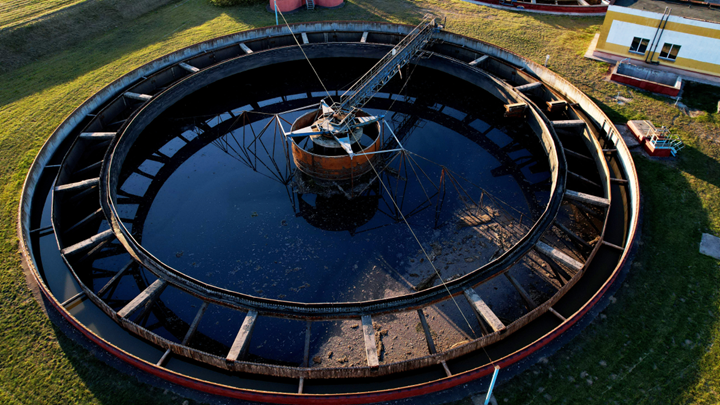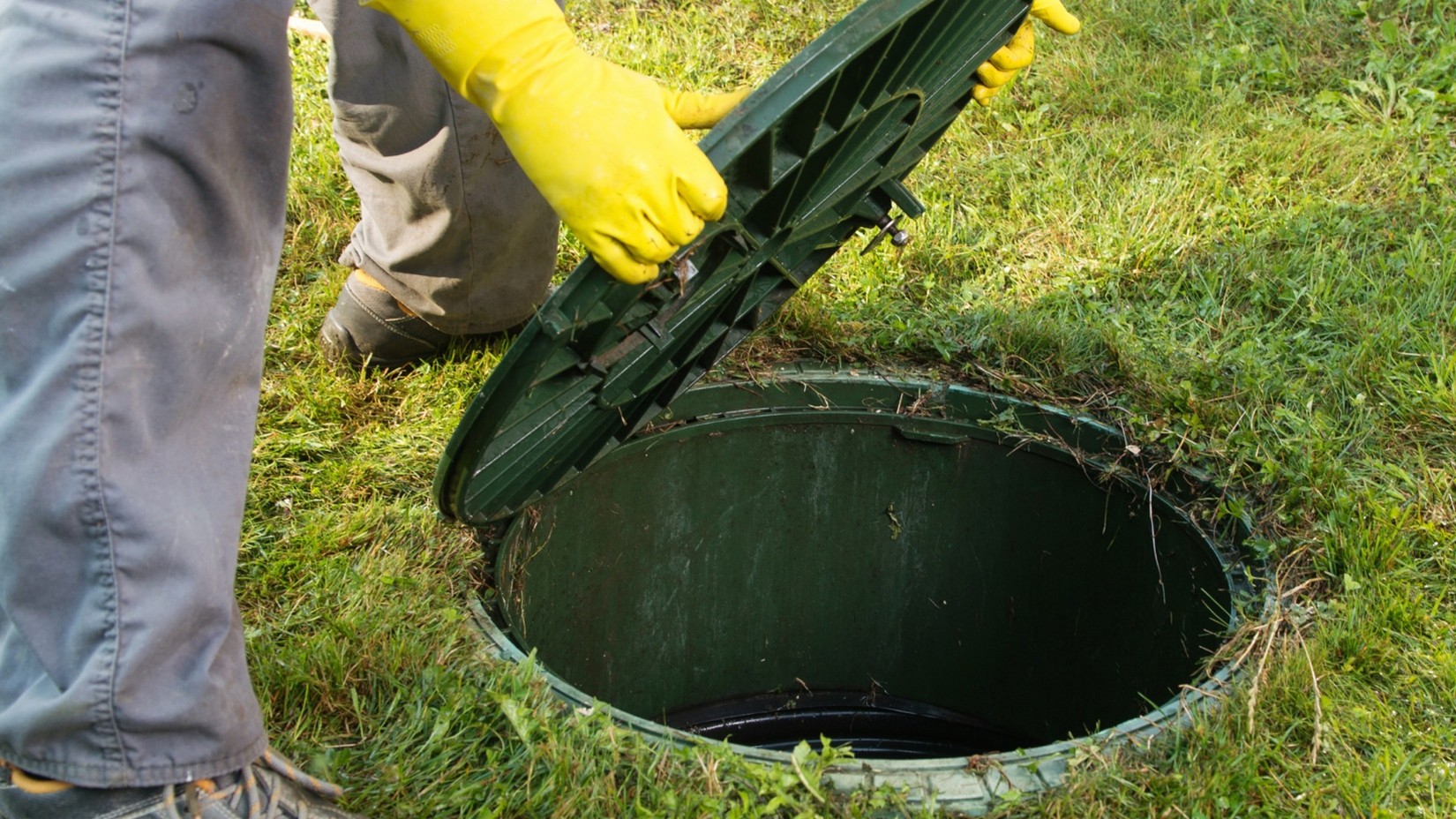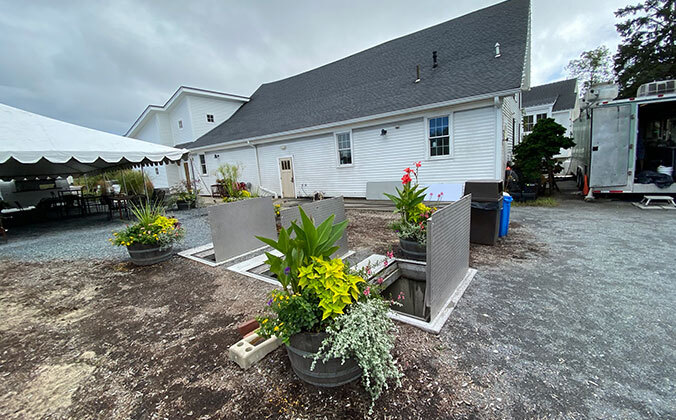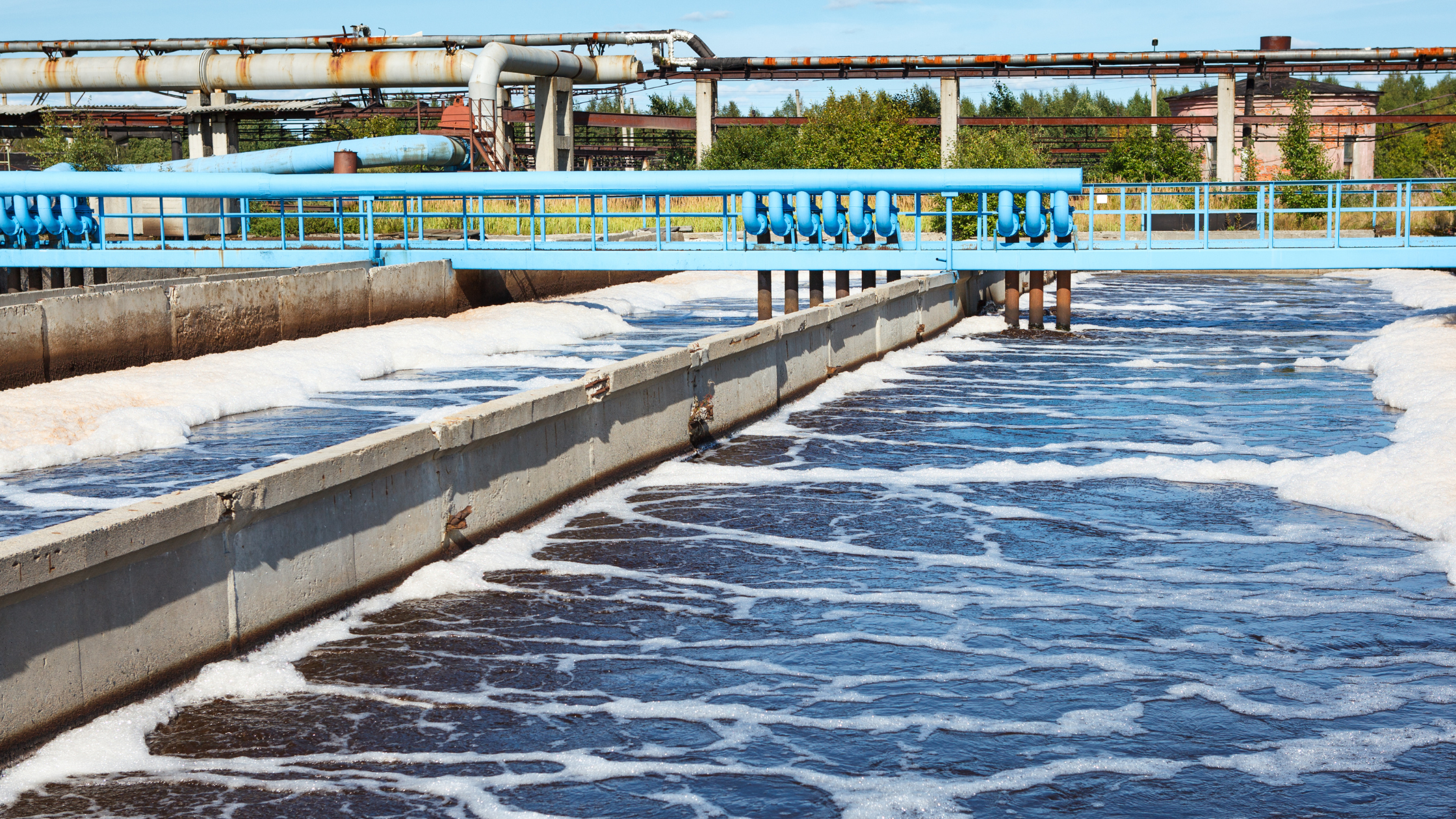
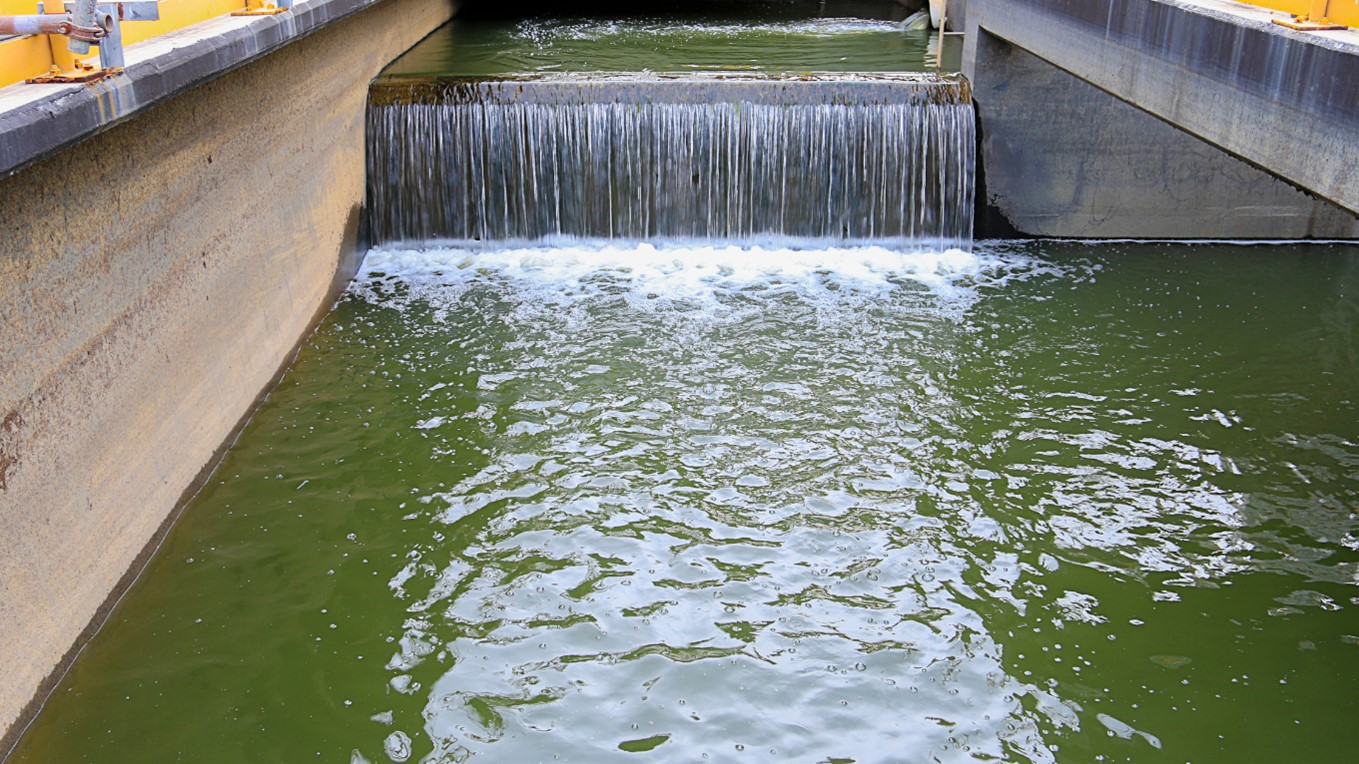
Choosing the right wastewater system matters when long-term performance, site conditions, and water quality are all part of the equation. Trickling filter wastewater treatment in Vermont uses a biological treatment process to break down wastewater before it is discharged to the next stage of the system. Understanding how that process works can make evaluating treatment options much easier.
Why Does Trickling Filter Treatment Matter for Vermont Properties?
- Why Does Trickling Filter Treatment Matter for Vermont Properties?
- What Is Trickling Filter Wastewater Treatment?
- How Does Our Trickling Filter Wastewater System Work?
- What Are the Benefits of Professional Trickling Filter Treatment?
- How Can Trickling Filter Systems Help With Nitrogen Reduction?
- Where Can Trickling Filter Wastewater Systems Be Used?
- Why Consider Advanced Septic Treatment Instead of a Basic System?
- Why Choose SeptiTech for Advanced Wastewater Treatment?
- FAQs About Trickling Filter Wastewater Treatment in Vermont
- Is Trickling Filter Wastewater Treatment Right for Your Vermont Property?
Wastewater treatment is rarely a one-size-fits-all decision. Homes, commercial properties, developments, and other sites can have very different wastewater flows and treatment requirements. Soil conditions, available space, local regulations, and environmental concerns can also affect system design. At SeptiTech, we focus on advanced biological wastewater treatment technology designed to provide dependable treatment while keeping operation practical. For Vermont property owners, engineers, developers, and wastewater professionals, understanding what happens inside a trickling filter system is an important first step. A properly designed system does more than hold wastewater. It creates conditions where naturally occurring microorganisms can continuously treat it. That biological process is the heart of trickling filter technology.
What Is Trickling Filter Wastewater Treatment?
A trickling filter is a biological wastewater treatment process. Despite the name, it is not simply a physical filter that catches contaminants as wastewater passes through it. Instead, the system uses treatment media that provides surface area where microorganisms can grow. Wastewater is distributed over or through this media, bringing organic material into contact with the biological growth. Those microorganisms consume and break down contaminants as part of the treatment process. This approach makes wastewater treatment in Vermont possible without relying solely on conventional septic treatment. It adds an advanced biological treatment stage that can improve effluent quality before final dispersal. The process is continuous. Wastewater enters, receives biological treatment, and moves through additional treatment stages according to the system design.
How Does Our Trickling Filter Wastewater System Work?
The easiest way to understand trickling filter wastewater treatment in Vermont is to look at what happens as wastewater moves through the system.
1. Wastewater Enters the Treatment System
Wastewater first enters the system, where solids and liquids begin separating. This initial stage prepares the wastewater for biological treatment. Keeping larger solids away from downstream treatment components helps the biological process work more effectively.
2. Wastewater Moves to the Biological Treatment Stage
The wastewater is then directed into the trickling filter treatment process. This is where the system begins providing a higher level of treatment than basic settling alone. Our system is designed to maintain an environment where naturally occurring microorganisms can perform much of the treatment work.
3. Microorganisms Grow on the Treatment Media
The media inside wastewater trickling filters in Vermont gives beneficial microorganisms a place to establish biological growth. As wastewater comes into contact with this biological community, microorganisms consume organic matter and help transform contaminants. Providing ample surface area for biological growth allows treatment to occur within a relatively compact system.
4. Wastewater Is Recirculated Through Treatment
Recirculation is an important part of the SeptiTech process. Rather than relying on a single pass, wastewater can move repeatedly through treatment. That repeated exposure supports consistent biological activity and gives the treatment process additional opportunities to reduce contaminants. Recirculation also helps maintain conditions that support the microorganisms responsible for treatment.
5. Treated Effluent Moves Toward Final Dispersal
Once the wastewater has gone through the required treatment process, treated effluent moves toward its approved final dispersal method. The exact configuration depends on the property, system design, regulatory requirements, and treatment objectives. This is why professional evaluation and proper system sizing remain so important.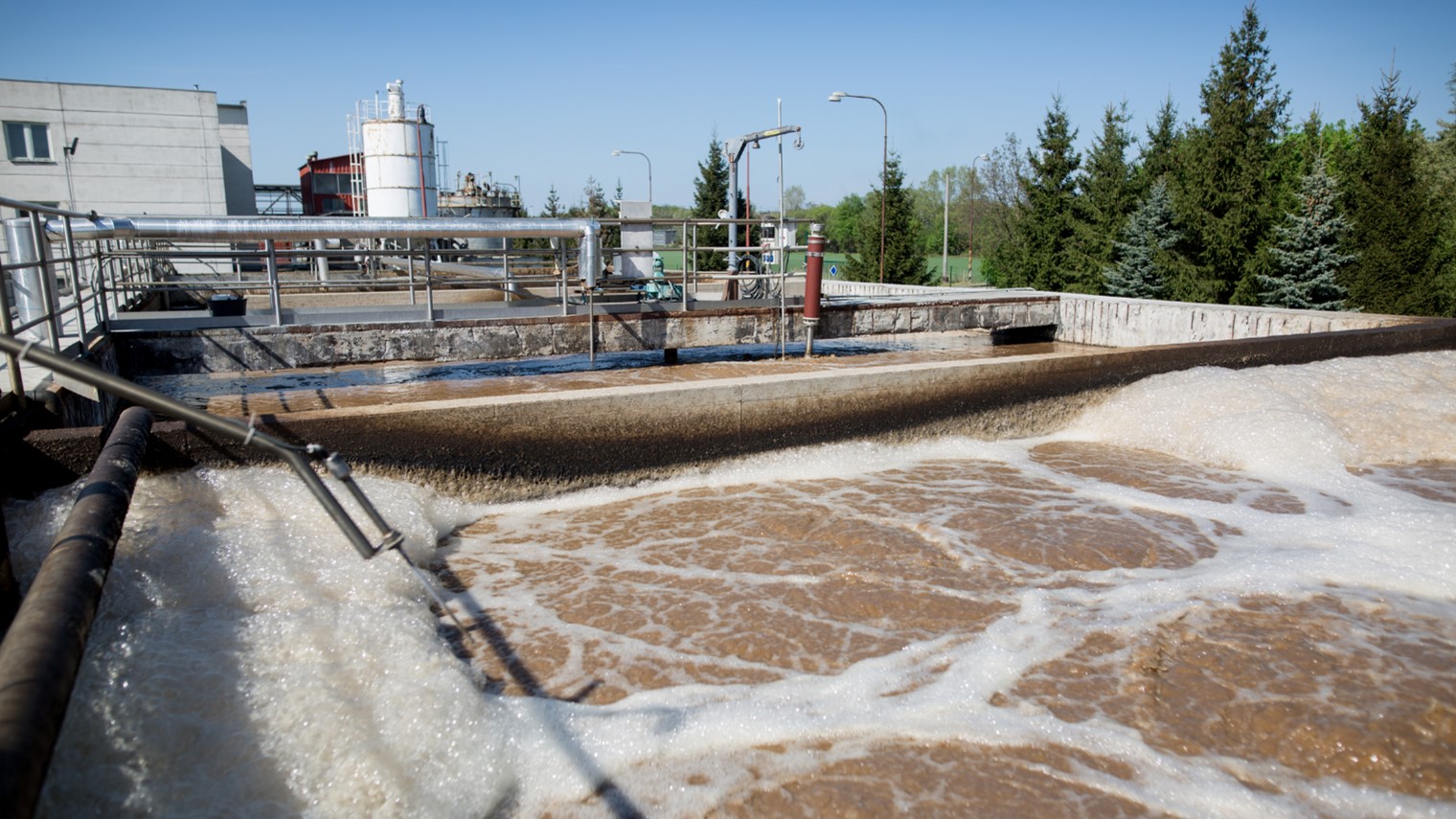
What Are the Benefits of Professional Trickling Filter Treatment?
Advanced wastewater treatment can offer important advantages for properties where conventional treatment may not be the ideal answer. Key benefits can include:
- Improved treatment quality: Biological treatment helps reduce organic contaminants before final dispersal.
- Compact treatment capability: Advanced systems can provide substantial treatment within a relatively small footprint.
- Consistent biological treatment: Recirculation helps keep wastewater interacting with the treatment environment.
- Flexible applications: Systems can be designed around different wastewater flows and property needs.
- Nitrogen treatment options: Proper system design can support projects where nitrogen reduction is an important treatment objective.
The goal is not simply to move wastewater away from a building. We want to treat it effectively and provide a system that makes sense for the site over the long term.
How Can Trickling Filter Systems Help With Nitrogen Reduction?
Nitrogen is an important consideration in many wastewater applications because excessive nitrogen can affect groundwater and nearby surface waters. Biological wastewater systems can be designed to support nitrification and denitrification processes. During treatment, different biological conditions allow nitrogen compounds to be transformed. This can ultimately reduce the amount of nitrogen leaving the treatment system. For properties requiring wastewater denitrification in Vermont, system design becomes especially important. Flow, treatment stages, recirculation, biological activity, and site requirements all need to work together. This is one reason advanced treatment technology can be valuable on environmentally sensitive sites or projects facing stricter effluent requirements.
Where Can Trickling Filter Wastewater Systems Be Used?
We see advanced wastewater treatment as a practical option for many types of properties. Residential applications are only one part of the picture. Depending on design requirements and wastewater flows, treatment systems may be appropriate for:
- Individual residences
- Residential developments
- Commercial properties
- Restaurants and hospitality facilities
- Schools and institutional properties
- Community wastewater applications
- Properties with challenging site conditions
Every project deserves individual consideration. Wastewater volume, expected usage patterns, available land, treatment objectives, and permitting requirements can all affect the final system. Vermont also has a strong reason to take wastewater management seriously. Lakes, streams, groundwater, rural properties, and environmentally sensitive areas can exist close to homes and businesses. Effective treatment helps property owners address wastewater needs while keeping long-term environmental performance in mind.
Why Consider Advanced Septic Treatment Instead of a Basic System?
A traditional septic system typically relies on settling in the tank followed by soil-based treatment. That approach works for many properties, but some sites need additional treatment before effluent reaches the dispersal area. That is where advanced septic tank solutions in Vermont can provide another option. Advanced treatment adds controlled biological processes before final dispersal. Depending on the project, this can help improve effluent quality, address specific treatment goals, and provide additional flexibility when site conditions make conventional approaches difficult. The important point is that advanced treatment should be selected around the needs of the property. A system that works well for one project may not be the right configuration for another.
Why Choose SeptiTech for Advanced Wastewater Treatment?
At SeptiTech, wastewater treatment is our specialty. Our technology centers on biological treatment and recirculation rather than treating wastewater management as simply a matter of storage and disposal. We understand that successful systems depend on more than equipment. Proper evaluation, system design, installation, operation, and ongoing maintenance all play a role in long-term performance. Our experience with decentralized wastewater applications helps us work with the different needs that can arise on residential, commercial, and community projects. We focus on practical treatment solutions that can address site limitations while supporting high-quality effluent and responsible wastewater management. For Vermont projects, that experience matters. Local site characteristics and permitting requirements need to be considered alongside treatment goals. We believe the strongest solution is one designed around the actual property rather than forcing every project into the same wastewater treatment approach.
FAQs About Trickling Filter Wastewater Treatment in Vermont
Does a trickling filter physically strain contaminants out of wastewater?
Not primarily. The word “filter” can be misleading. The treatment media provides surface area for microorganisms to grow. These microorganisms biologically break down contaminants as wastewater contacts the media. Physical separation occurs elsewhere in the treatment process, but biological activity is the key function of the trickling filter.
Do trickling filter wastewater systems require maintenance?
Yes. Like any wastewater treatment system, routine inspection and maintenance are important. Pumps, treatment components, controls, and other system elements need to operate correctly for treatment to remain reliable. Professional maintenance can also identify developing problems before they turn into larger system issues. Following the recommended service schedule is an important part of protecting long-term performance.
Can trickling filter treatment work on difficult Vermont sites?
Potentially. Advanced treatment can provide additional options when properties face space limitations, environmental concerns, treatment requirements, or other site challenges. However, every property needs to be evaluated individually. Soil conditions, wastewater flow, permitting requirements, and the approved dispersal method all affect system selection and design.
Why is recirculation important?
Recirculation gives wastewater repeated contact with the biological treatment environment rather than depending on a single treatment pass. This supports the microorganisms performing the treatment and helps the overall system maintain effective treatment conditions.
Is Trickling Filter Wastewater Treatment Right for Your Vermont Property?
The right wastewater system starts with understanding the property, expected wastewater flow, treatment goals, and local requirements. Trickling filter wastewater treatment in Vermont offers an advanced biological approach that can provide effective treatment for a variety of residential, commercial, and decentralized wastewater applications. If you are planning a new wastewater system, replacing an existing system, or exploring higher levels of treatment, talk with SeptiTech about your project. We can help you better understand the available treatment options and determine an approach designed around your site’s wastewater needs.
Ready to get started? Reach out to us online at SeptiTech Give us a call at 207-333-6940. If your septic system is always causing problems, it might be time to call. They’ve got something called the STAAR® system that just works. You won’t need to keep checking on it or worry about constant upkeep.

It’s made to handle the heavy lifting without you even thinking about it. Whether it’s for your home or a bigger property, they know how to set up a system that fits what you need. See how they can make things simpler for you.



 (207) 333-6940