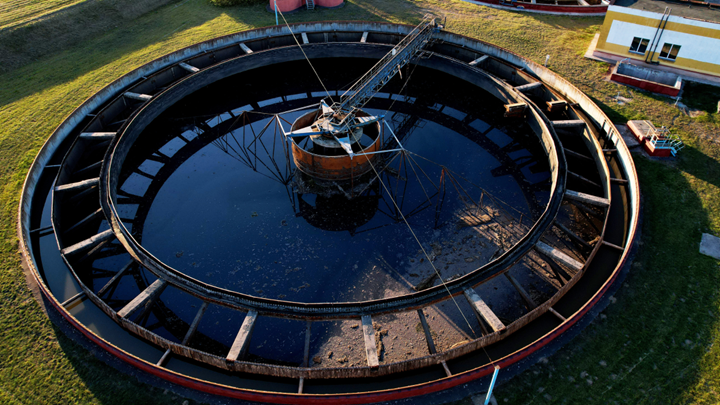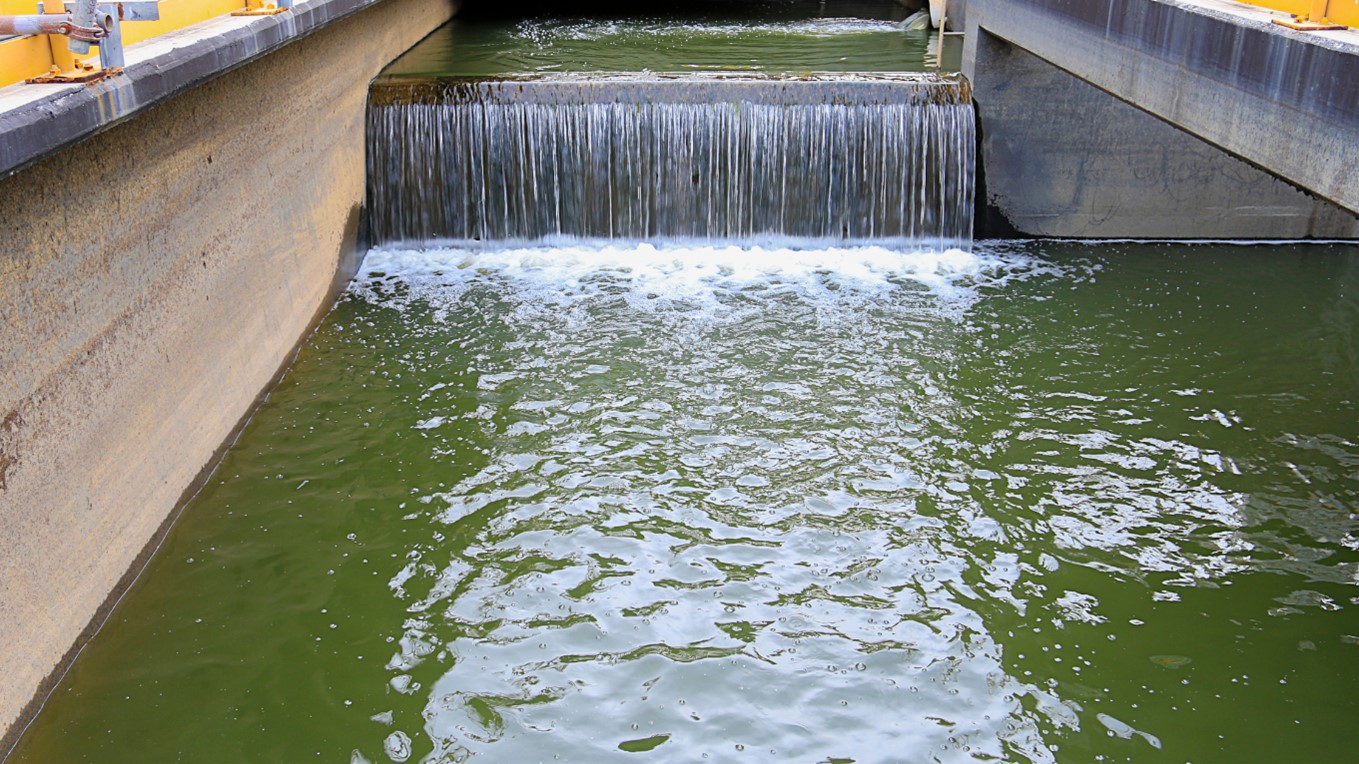
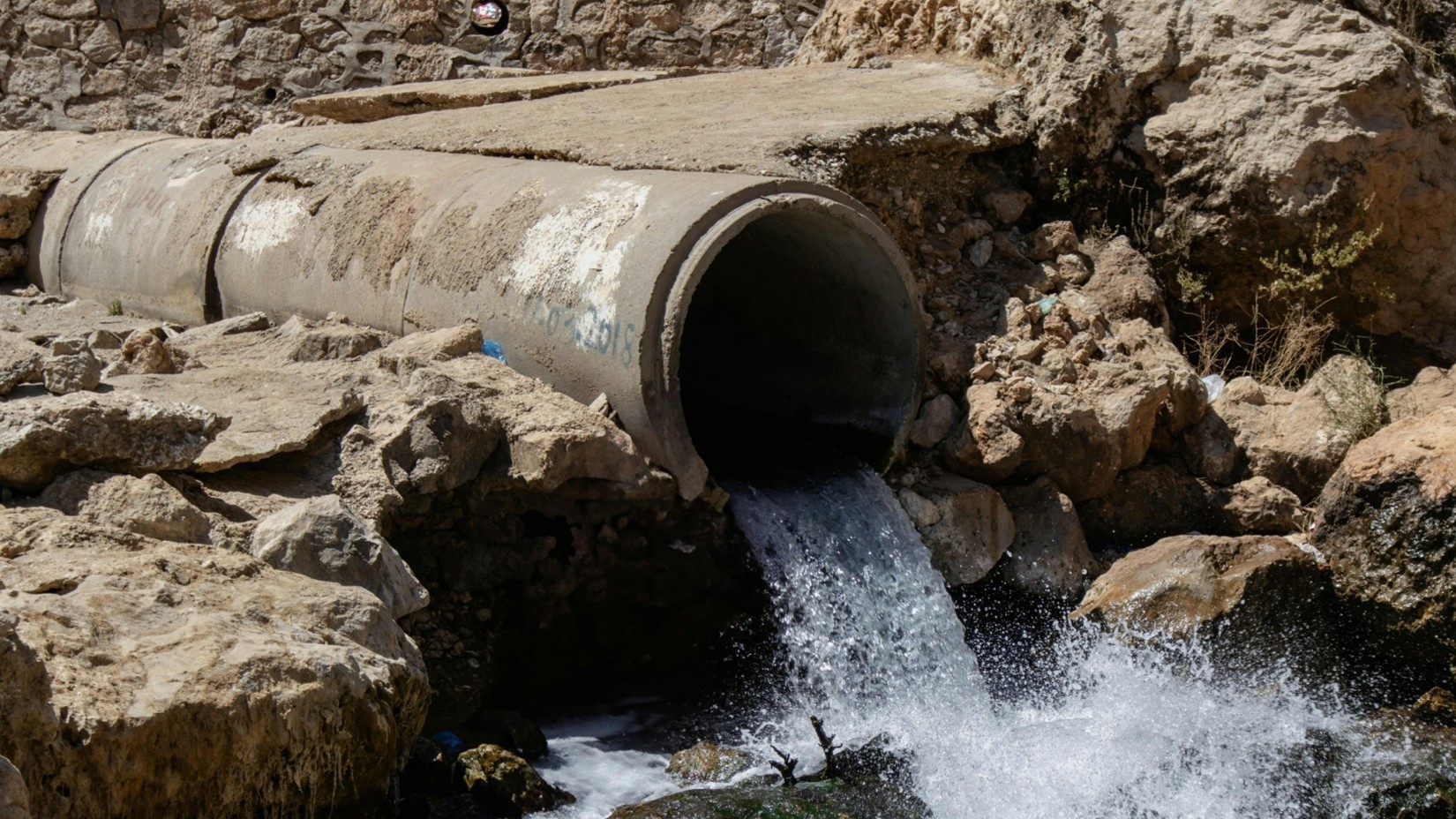
A wastewater system can be easy to overlook until a property owner has to replace one, expand a building, or develop a site that does not fit a simple layout. Then the questions come quickly. How much space is available? What kind of treatment is needed? How will the system handle seasonal use? Who will maintain it later?
Those are the questions that matter when planning wastewater treatment in Vermont. The goal is not to choose the most complicated system. It is to choose an approach that fits the property, the expected wastewater flow, and the long-term maintenance plan. Vermont properties can vary widely. A year-round residence, a seasonal home, a small commercial property, and a community system can all create different operating patterns. Good planning starts by understanding those differences before treatment equipment is selected.
The site should drive the conversation
Wastewater treatment does not happen in isolation. The system has to work with the physical property around it. Available land, slope, soil conditions, groundwater considerations, access for maintenance, and the location of buildings can all affect how a system is planned. The treatment process also has to match the amount and type of wastewater the property is expected to produce. That is why wastewater treatment in Vermont. should begin with site information rather than a product list. A technology that works well in one setting may not be the best fit for a different property with different constraints.
Some Vermont properties do not have the same number of people using them every week of the year. Vacation homes, lodging properties, camps, and seasonal businesses can move between long quiet periods and stretches of much heavier use. Those changes matter because biological treatment systems depend on the wastewater they receive. Designers need a realistic picture of both normal use and peak periods. Property owners should be honest about how the site is actually used. A system planned around an average that ignores busy weekends or seasonal occupancy can create a mismatch between the design and real life.
Cold weather should be part of the planning discussion
Vermont winters are not an afterthought. Equipment location, access, insulation, burial depth, and the overall treatment layout should all be considered with year-round conditions in mind. The property owner does not need to design around freezing temperatures personally. It is still reasonable to ask how the proposed system is intended to operate during cold weather and what maintenance access looks like in winter. A clear answer is more useful than assuming every treatment system handles every climate in exactly the same way.
People sometimes hear the word advanced and assume it automatically means better. In wastewater treatment, the more useful question is what additional treatment is trying to accomplish. For someone comparing advanced septic tank solutions in Vermont, the reason may involve site limitations, treatment goals, regulatory requirements, or the needs of a particular property. The treatment approach should solve a defined problem. If the explanation begins and ends with the equipment being newer or more advanced, ask for more detail. Property owners should understand why the system is appropriate for their site.
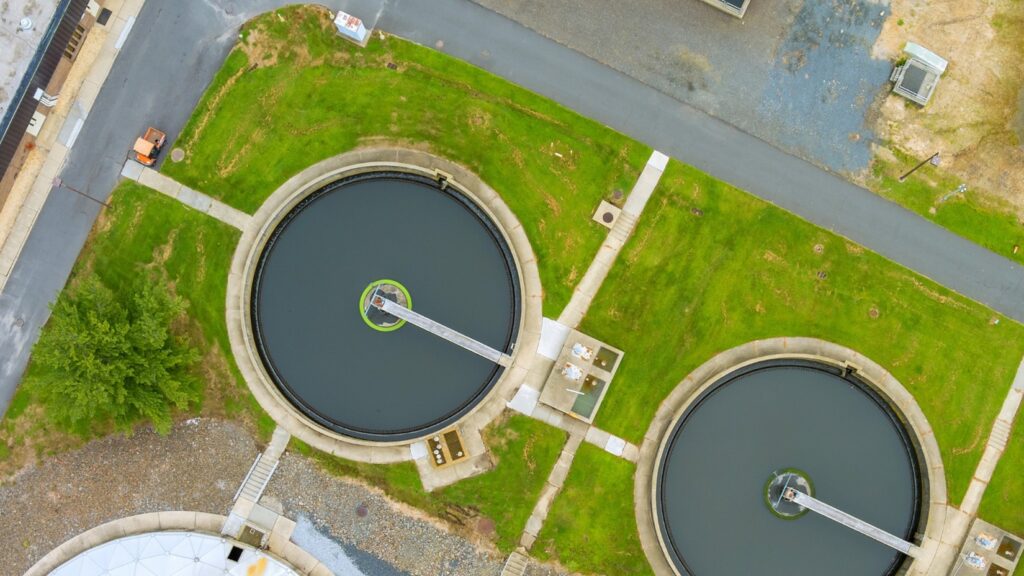
Biological treatment depends on the whole system
Many decentralized wastewater systems rely on microorganisms to help break down organic material. Those biological processes are part of a larger treatment train rather than a stand-alone trick. Flow, oxygen conditions, wastewater characteristics, distribution, and maintenance can all affect how biological treatment performs. That is why one component should not be judged separately from everything around it. A conversation about wastewater denitrification in Vermont may involve additional biological processes designed to reduce nitrogen. The property owner does not need to understand every reaction. It is enough to know what the treatment stage is intended to do and what operating conditions it requires.
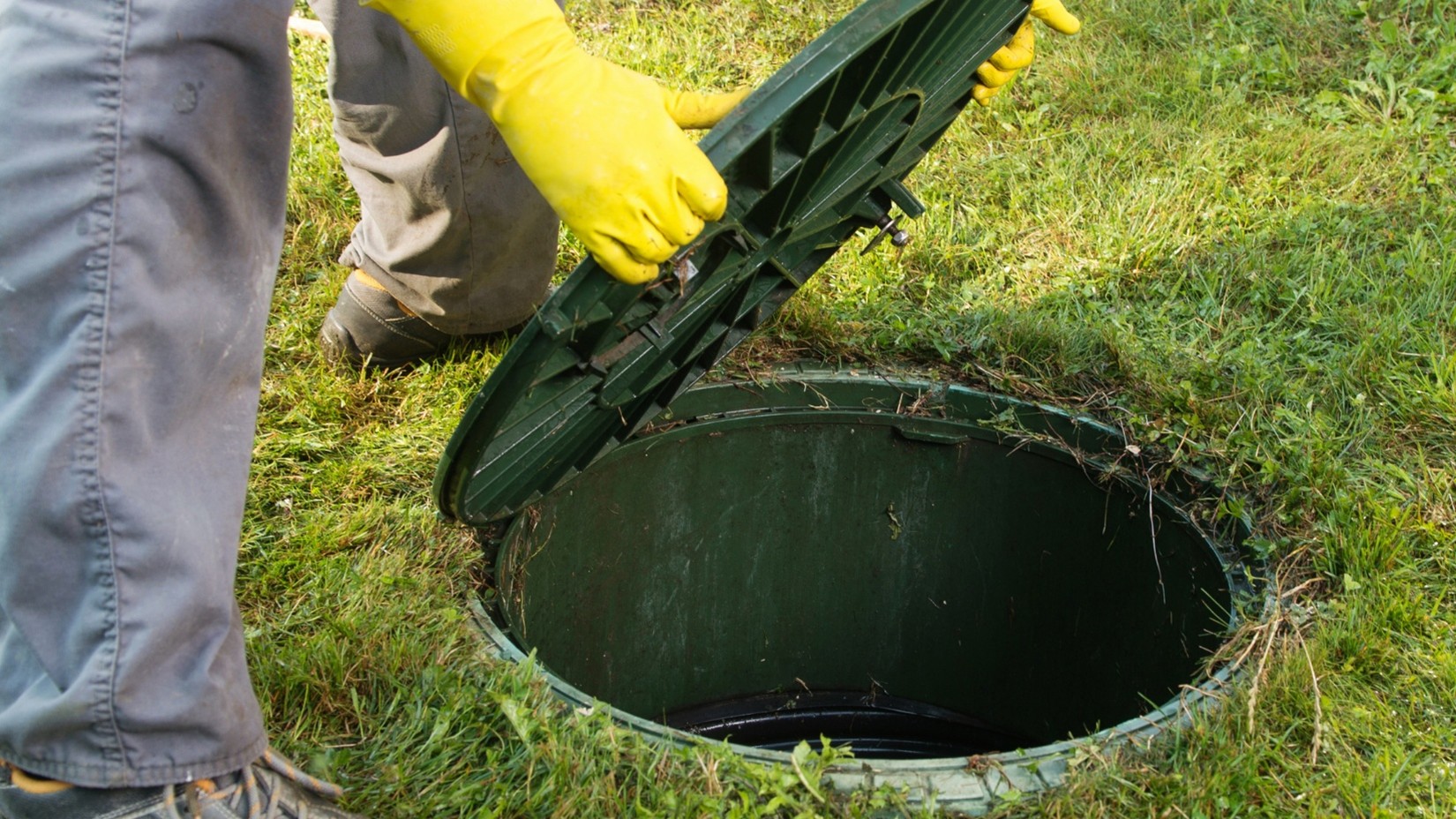
A wastewater system does not stop needing attention after installation day. Tanks may need service. Pumps and controls may need inspection. Treatment components may need routine checks. The exact schedule depends on the design, but every owner should know who is responsible for ongoing maintenance and what that work includes. This matters when considering wastewater treatment in Vermont because the best long-term system is one the property can actually support. A design that is difficult to access or has no clear service plan can become frustrating even if the original installation went smoothly. Ask about maintenance before choosing the system. It is much easier than learning the schedule after something needs attention.
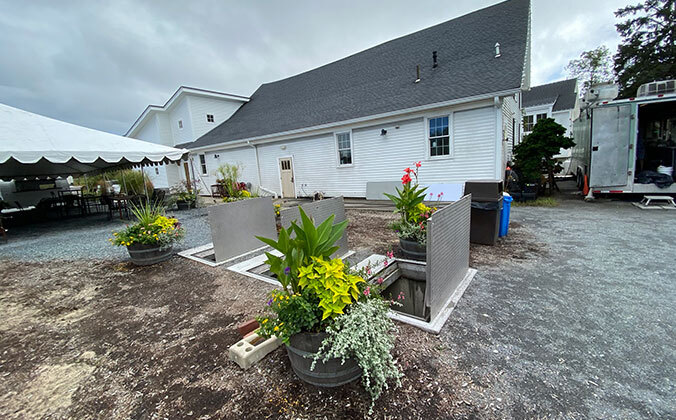
Property improvements can make wastewater service harder over time. Landscaping grows. Parking areas expand. Decks get added. Storage buildings appear. Critical treatment components should remain accessible for inspection and service. That does not mean they need to dominate the yard. It means the system should be placed with future maintenance in mind. A good layout balances appearance, site use, and practical access.
Flow estimates should reflect real life
A system may be designed around expected daily flow, but real properties have peaks. A home may host family for a week. A small inn may be full during one season and quiet in another. A commercial building may change tenants. Those situations should be discussed during planning. The designer can only work with the information available. Giving a realistic picture of occupancy and use helps reduce surprises later. This is another reason wastewater treatment in Vermont is not simply a matter of selecting a tank or treatment unit. The system has to be planned around how people will actually use the property.
Trickling filter treatment uses media that supports biological growth while wastewater is distributed through the treatment area. The microorganisms attached to the media help treat the wastewater as part of the system’s biological process. A property owner searching for wastewater trickling filters in Vermont should ask practical questions. How does wastewater reach the media? What happens before and after that stage? What maintenance is required? How does the process fit the site’s treatment goals? The name of the technology matters less than understanding why it belongs in the complete design.
Regional experience can help without turning every site into the same project
Wastewater principles carry across regions, but sites still need local planning. SeptiTech’s work with advanced septic tank solutions in Portland, ME and wastewater denitrification in New Hampshire offers useful regional context, but a Vermont property should still be evaluated on its own conditions. The point is not to copy a design from another state. It is to use proven treatment principles while accounting for the property in front of you. A wastewater system is often expected to serve a property for many years. The property itself may not stay the same. An addition can change occupancy. A business can expand. A seasonal home can become a full-time residence. A new owner can use the site differently. When future changes are realistic, mention them during planning. The designer may be able to explain which changes the current design can support and which would require a new review. That information is useful even if the expansion never happens.
SeptiTech works with decentralized wastewater applications where the site, treatment goals, and long-term operation all have to fit together. Property owners do not need to become experts in wastewater biology to make good decisions. They should understand what the proposed system is designed to handle, why the treatment process fits the site, how maintenance will be performed, and what responsibilities remain with the owner. That is the practical side of wastewater treatment in Vermont.. A well-planned system is not only about treatment performance on paper. It is about creating something that can be operated, accessed, maintained, and understood for years after installation. The best questions are usually simple ones. What does this part do? Why is it needed here? How often will it need service? What changes if the property use changes? Those questions turn a complicated wastewater project into a much clearer long-term plan.

Ready to get started? Reach out to us online at SeptiTech Give us a call at 207-333-6940. If your septic system is always causing problems, it might be time to call. They’ve got something called the STAAR® system that just works. You won’t need to keep checking on it or worry about constant upkeep.
It’s made to handle the heavy lifting without you even thinking about it. Whether it’s for your home or a bigger property, they know how to set up a system that fits what you need. See how they can make things simpler for you.



 (207) 333-6940