Wastewater is easy to ignore when everything is working. Water leaves the building, the system does its job, and nobody gives it much thought. The questions usually start when a property is being developed, an older system needs attention, or a site has limitations that make a standard approach less straightforward. That is when wastewater treatment in Portland becomes less about picking a piece of equipment and more about understanding the property as a whole. The best starting point is not asking which system sounds newest. It is asking what the site needs to handle, what the local conditions allow, and what kind of maintenance can realistically be supported for years. Those questions tend to lead to better decisions than choosing a system based on one feature or one sales description.
Every wastewater project begins with a real site. That sounds obvious, but it is easy to jump straight into treatment technology before looking closely at the conditions around it. Daily flow, available space, soil conditions, groundwater concerns, the number of users, seasonal changes, and the type of property can all affect the conversation. A small residential property has a different operating pattern than a commercial site. A seasonal property may have long stretches of low use followed by busy periods. A site with limited room may need a different layout than one with plenty of open land. That is why wastewater treatment in Portland should be approached as a site-specific planning problem. The treatment process has to fit the conditions instead of forcing the property to fit a generic design.
Know what the treatment process is supposed to accomplish
- Know what the treatment process is supposed to accomplish
- Advanced treatment is not automatically the most complicated choice
- Biological treatment needs a stable environment
- Flow patterns matter more than people expect
- Trickling filter systems are worth understanding
- Think about access for future service
- Local performance matters more than a brochure
- Good wastewater planning should feel understandable
Wastewater treatment is not one single step. A complete system may involve settling, biological treatment, clarification, dispersal, or other stages depending on the design and regulatory requirements. The exact configuration can vary, but the larger goal stays the same. The system has to manage wastewater consistently enough for the property and the approved discharge or dispersal approach. Property owners do not need to become treatment engineers. They should understand the basic job of each major part of the proposed system. If a contractor or designer cannot explain the process in plain language, ask more questions.
A useful explanation should cover what enters the system, what happens during treatment, where the treated water goes next, and what routine service is expected.
Advanced treatment is not automatically the most complicated choice
The phrase advanced treatment can sound like a system full of complicated controls and constant attention. That is not necessarily the right way to think about it. In many projects, advanced treatment simply means the system is designed to provide a higher level of treatment than a basic septic tank alone. For properties comparing advanced septic tank solutions in Portland, ME, the important question is why additional treatment is being considered. The reason may involve site limitations, performance goals, local requirements, or the needs of the property. The more clearly that reason is defined, the easier it becomes to compare treatment options without getting distracted by terminology.
Biological treatment needs a stable environment
Many wastewater systems depend on biological processes. Microorganisms help break down organic material as wastewater moves through treatment. Those processes work best when the system receives conditions it was designed to handle. That means sudden changes in flow or unusual materials entering the system can matter. Property owners should understand what normal use looks like and what should stay out of drains. Strong chemicals, large amounts of grease, and items that do not belong in wastewater can create problems for many onsite systems. A discussion about wastewater denitrification in Portland, ME may also include how biological processes are used to reduce nitrogen under the right treatment conditions. The important point for the property owner is that performance depends on the complete treatment environment, not one isolated tank or component.

Flow patterns matter more than people expect
A wastewater system is sized and planned around how the property is expected to be used. Real life does not always follow a perfectly even schedule.A home may have extra guests during holidays. A business may be quiet on weekends and busy during the week. A seasonal property may sit nearly empty for months. Those patterns should be discussed during planning rather than discovered after installation. Wastewater treatment in Portland works best when the design accounts for realistic use. Giving the designer an honest picture of occupancy and flow is more useful than trying to present an idealized version of the property.
Trickling filter systems are worth understanding
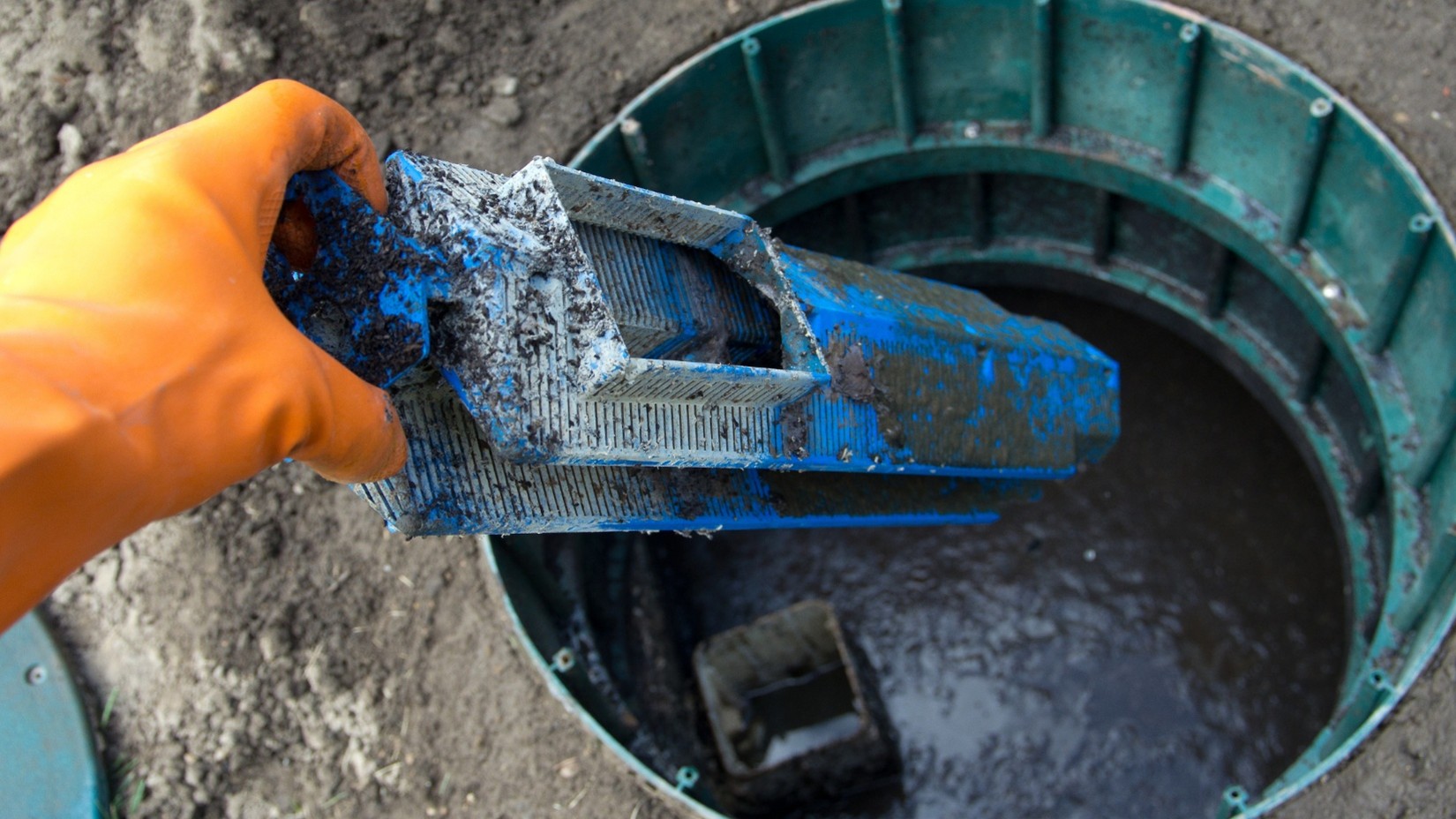
A trickling filter is a biological treatment approach that gives microorganisms a surface where they can grow while wastewater is distributed through the treatment media. The name can sound surprisingly simple for something doing an important job. For someone researching trickling filter wastewater treatment, the useful questions are practical ones. How is wastewater distributed? What maintenance is expected? How does the system fit into the complete treatment train? What conditions was it designed to handle? You do not need to memorize the internal process. You do want enough understanding to know why the technology is being proposed for the property.
Every wastewater system needs some level of attention over time. The amount and type depend on the system. Ask who performs routine service. Find out which components are inspected. Ask whether pumps, controls, media, tanks, or other parts have specific service intervals. Understand what the property owner is expected to do between professional visits.The best time to learn this is before choosing the system.
A treatment option that performs well but cannot realistically be maintained on the property is not a good long-term fit. Wastewater treatment in Portland should include a maintenance plan that makes sense for the owner, the service provider, and the site.
Think about access for future service
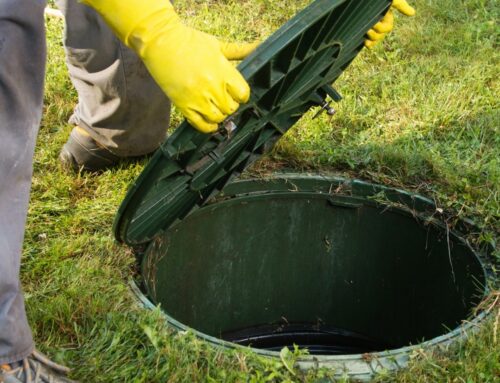
Equipment placement is not only an installation issue. Somebody may need to inspect or service parts of the system years later. Do not let landscaping, structures, parking areas, or other property improvements make critical components nearly impossible to reach. A clean-looking installation is good. A clean-looking installation that can still be maintained is better. This is one of those details that seems small during construction and becomes very important the first time service is needed. People sometimes focus heavily on the most recognizable part of a wastewater system. Maybe it is the tank. Maybe it is the treatment unit. Maybe it is the dispersal area.
The system works as a series of connected steps. A well-designed treatment unit cannot make up for every problem elsewhere in the system. The same is true in reverse. Property owners considering advanced treatment options should ask how the proposed treatment fits with pretreatment, flow management, dispersal, controls, and monitoring. Looking at the whole design usually creates a much clearer picture than comparing individual components in isolation.
Local performance matters more than a brochure
Treatment equipment can look impressive on paper. The more useful question is how the technology fits the actual site and operating conditions. Climate, seasonal use, loading patterns, available space, and service access are all real-world factors. They do not make one technology universally better than another. They help determine whether a specific design is appropriate. That is also why terms such as wastewater trickling filters in Portland, ME should lead into a broader design conversation rather than a simple product comparison.
A Portland project should always be designed for Portland conditions, but it can still be useful to understand how the same treatment principles are applied elsewhere. SeptiTech also works with advanced septic tank solutions in Vermont and projects involving wastewater denitrification in New Hampshire. Those markets are not interchangeable, but they reinforce a practical point. Good decentralized wastewater design starts with the site, the expected loading, and the treatment goal rather than assuming one layout works everywhere.
Properties change over time. A home may add bedrooms. A business may expand. Occupancy may increase. A seasonal building may become year-round. Tell the designer about realistic future plans when they are known. It is much easier to account for possible changes during planning than after a system has been installed around the current use. Not every future possibility needs to be designed into the project. It is still worth knowing which changes would require a new review or a different treatment capacity.
Good wastewater planning should feel understandable
SeptiTech works with decentralized wastewater treatment applications where the treatment approach has to match the site, the expected flow, and long-term operation. Property owners do not need to know every technical detail before asking questions. They should know what the system is supposed to do, why the proposed treatment fits the property, what maintenance will be required, and how the design handles normal changes in use. That is the practical side of wastewater treatment in Portland. The equipment matters, but the planning around it matters just as much. A system that fits the site, can be maintained, and has a clear purpose is much easier to live with than one chosen because it sounded impressive during the first conversation.

Ready to get started? Reach out to us online at SeptiTech or give us a call at 207-333-6940. If your septic system is always causing problems, it might be time to call. They’ve got something called the STAAR® system that just works. You won’t need to keep checking on it or worry about constant upkeep.
It’s made to handle the heavy lifting without you even thinking about it. Whether it’s for your home or a bigger property, they know how to set up a system that fits what you need. See how they can make things simpler for you.



 (207) 333-6940