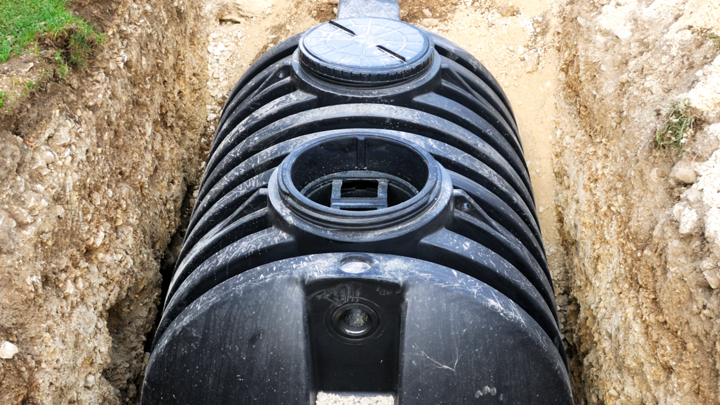
Wastewater treatment in New Hampshire starts with a simple idea: not every property can rely on a basic septic setup and expect the same results. That is really the core difference between advanced and conventional systems. A conventional septic system is designed to handle wastewater in a more standard way, while an advanced system is built to improve treatment before the water reaches the soil.
For homeowners, that sounds abstract until it gets tied to a real property. The difference matters when land is tight, soil is challenging, or the site needs better treatment performance than a basic tank-and-field arrangement can comfortably deliver. In those cases, the “advanced” part is not marketing language. It is the treatment step that helps the whole system do more.
How wastewater treatment in New Hampshire differs from a basic system
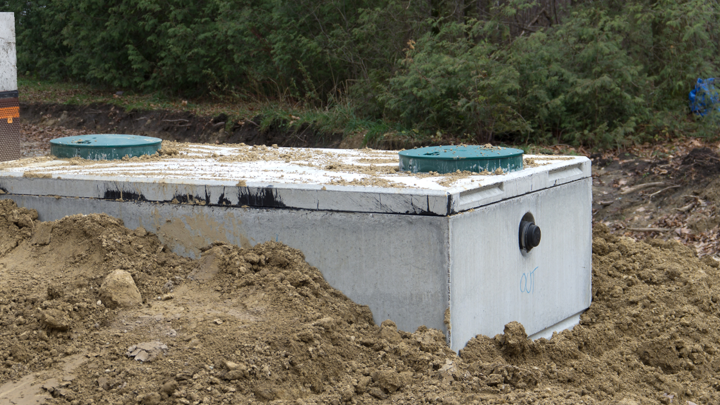
A conventional system usually depends on the septic tank to separate solids and on the drainfield soil to do a large share of the final treatment. That setup can work very well when the site conditions are favorable. It is familiar, relatively simple, and often less expensive to install.
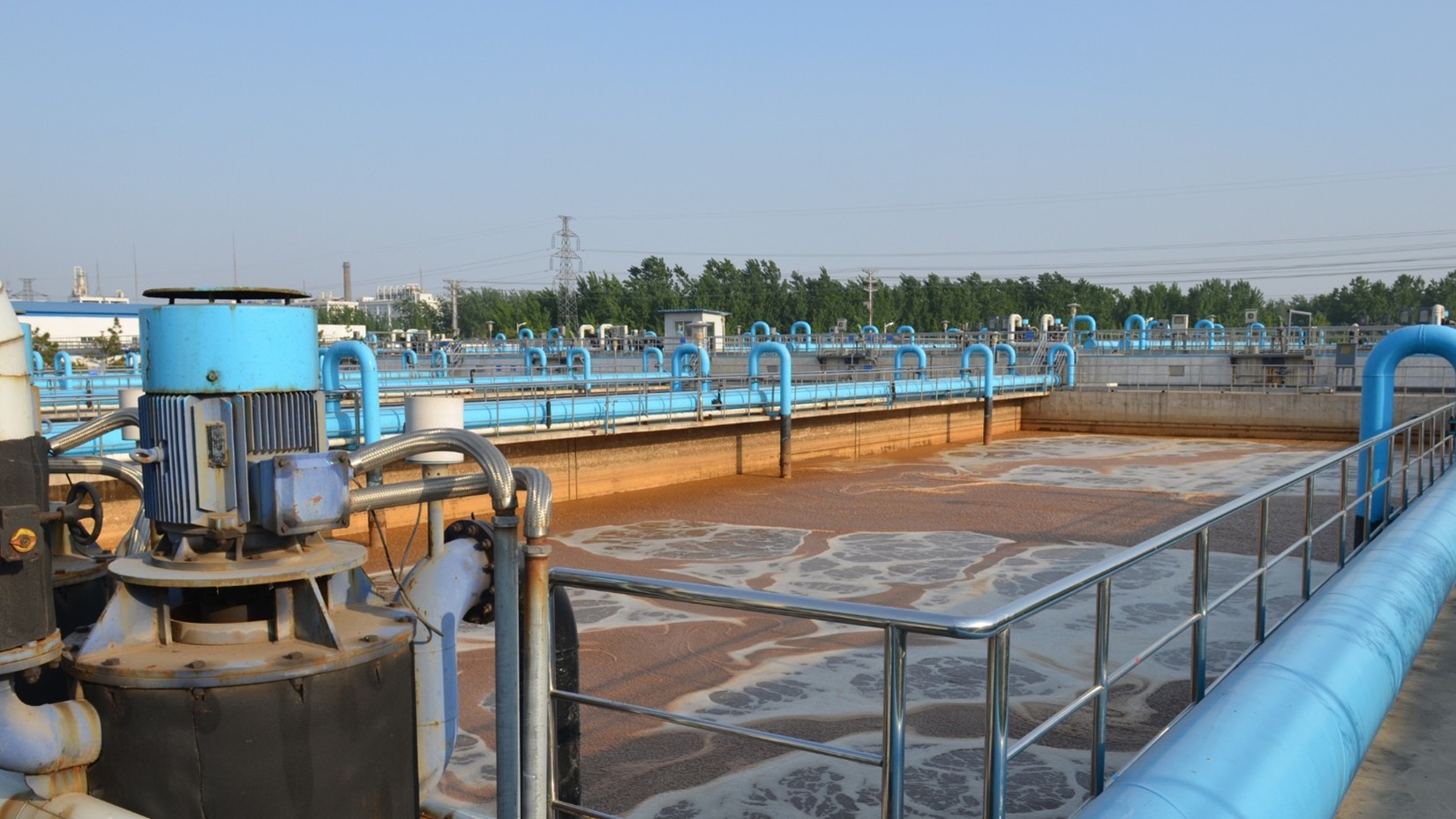
An advanced system adds treatment capability before the wastewater is dispersed. That extra step can improve effluent quality, which is helpful when the site needs a stronger level of performance. This is why homeowners exploring advanced septic tank solutions in New Hampshire are usually dealing with more than curiosity. They often have a specific site issue, permitting challenge, or long-term use goal in mind.
The difference is not just what sits underground. It is also what the design is trying to accomplish. Conventional systems are great when the site lets them be great. Advanced systems are there for the moments when a site asks for more.
Conventional systems are simpler, but simplicity is not everything
A lot of people like conventional systems because they are easier to understand. Tank, pipes, drainfield. That simplicity is real, and on the right property it can absolutely be a strength. Fewer moving parts can mean a more straightforward installation and maintenance routine.
Still, simple does not always mean better. A basic system depends heavily on the site doing its share of the work. If the soil is not ideal, if there are setback limits, or if treatment performance needs to be tighter, the conventional advantage starts to shrink. That is where advanced septic tank solutions in New Hampshire become relevant, because they are built to solve the problems that conventional layouts may struggle with.
This is also why direct price comparisons can be misleading. If one system is cheaper but only marginally suited to the property, it may not be the practical winner.

Advanced systems are about treatment quality
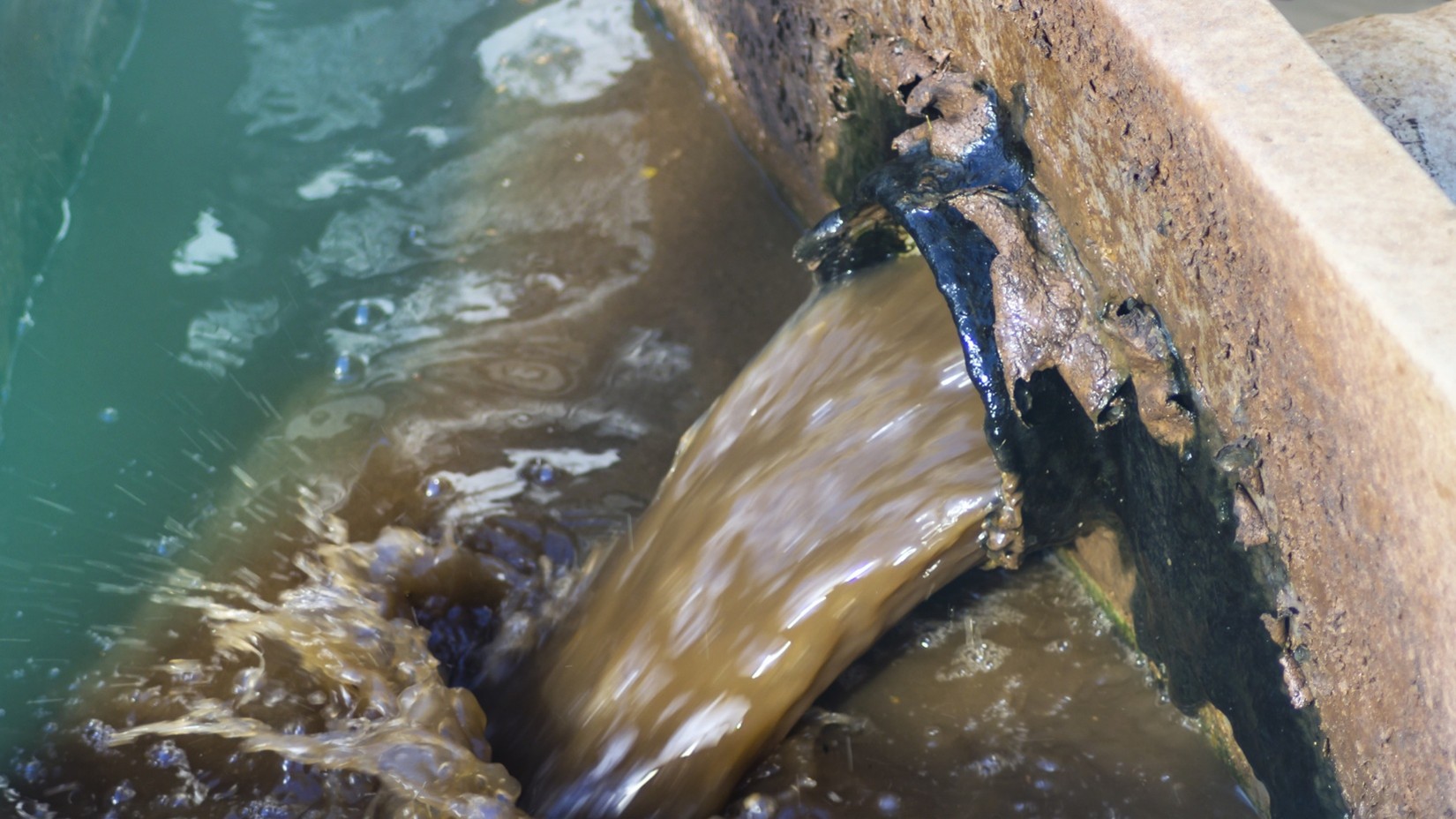
The defining feature of an advanced system is improved treatment before wastewater reaches final dispersal. That can mean better handling of nutrients and a stronger overall treatment profile, depending on the design. On sites where environmental sensitivity matters, that extra performance can be a deciding factor.
For example, homeowners may hear about wastewater denitrification in New Hampshire when nitrogen reduction is part of the conversation. That is not something a typical homeowner worries about every day, but it becomes very important when a site or permit calls for it. Advanced systems are valuable because they can address those concerns in a way a conventional system may not.
So when people ask for the difference, the clearest answer is this: a conventional system mainly stores and disperses, while an advanced system treats more aggressively before dispersal. That difference has real consequences for performance.
Why trickling filter designs come up so often
One reason advanced treatment comes up so often is that some designs offer a reliable way to improve effluent quality without making the system impossible to manage. That is where trickling filter wastewater treatment in New Hampshire fits into the larger conversation.
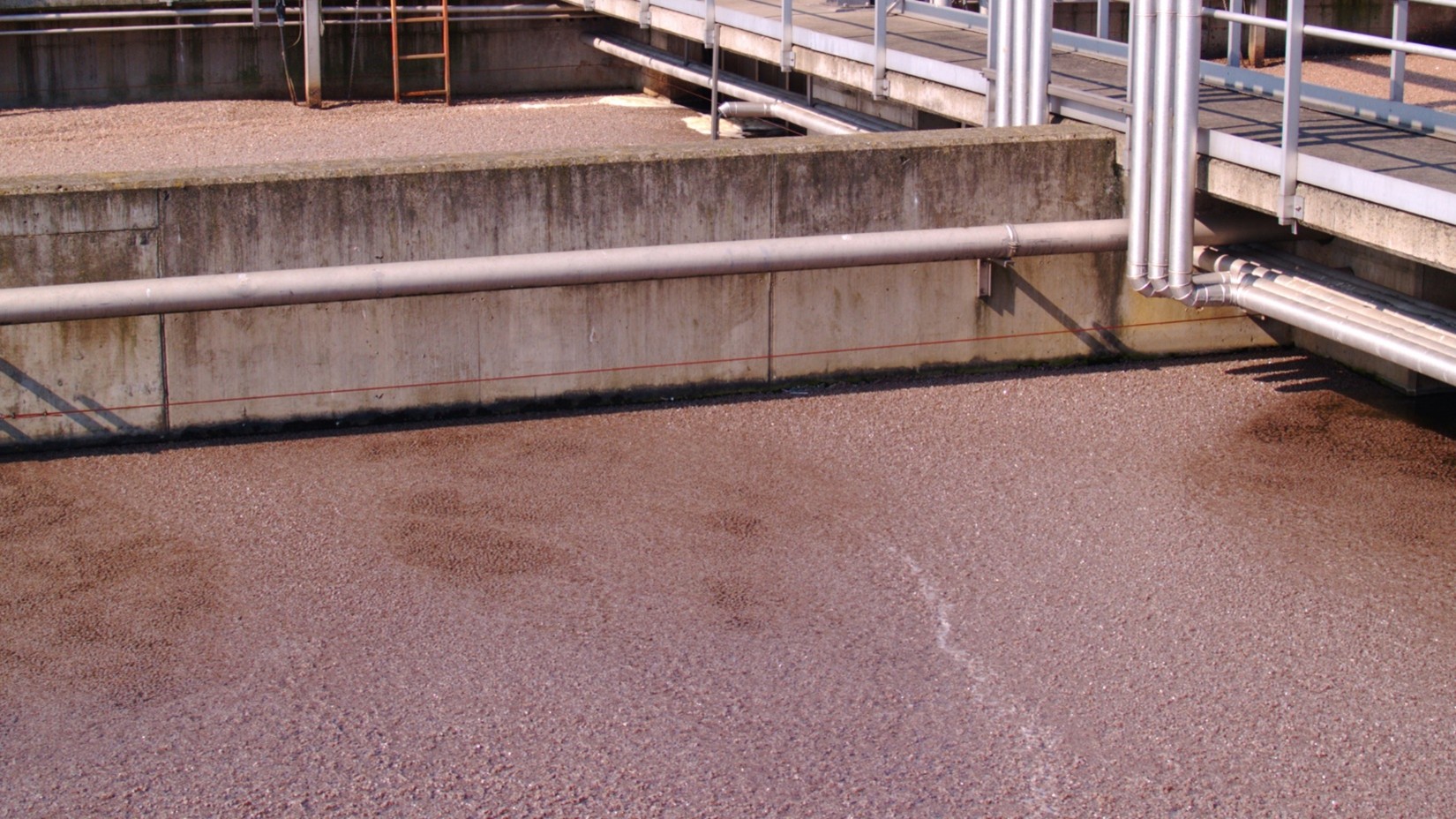
A trickling filter approach uses media and biological treatment to break down wastewater more thoroughly before it moves on. The homeowner does not need to memorize the engineering details to understand the value. The point is that the wastewater gets cleaner before it reaches the next stage. On certain sites, that added treatment can open doors that a standard layout would not.
You might also hear professionals mention wastewater trickling filters in New Hampshire. That phrase sounds technical, but the practical takeaway is straightforward: the system is using an added treatment step to help the property perform better under real-world conditions.
Which one is better for a homeowner?
That depends on the property more than on personal preference. If the lot has good soil, plenty of room, and no special treatment demands, a conventional system may be completely appropriate. It is often a solid choice when the site is simple and the regulations allow it.
If the site is limited, though, advanced treatment can be the better fit even if it costs more or feels more specialized. In those cases, wastewater treatment in New Hampshire is less about choosing a fancier product and more about choosing a system that actually matches the property.
Homeowners should also think about future use. Renovations, occupancy changes, and long-term performance all matter. A system that works comfortably now and later can be worth more than one that only barely clears the initial hurdle.
The real difference is fit
In day-to-day life, the biggest difference between advanced and conventional systems is not what the homeowner sees. It is how well the system fits the property and how much treatment support it provides before wastewater reaches the soil. That is why wastewater treatment in New Hampshire deserves a careful look whenever a site is even a little complicated.
Conventional systems still have a real place. Advanced systems simply step in where site limitations, environmental needs, or performance expectations call for something stronger. Once you look at it that way, the difference becomes much clearer and a lot less theoretical.
FAQs
Do advanced systems replace the need for a drainfield?
Usually not. Most systems still need a final dispersal area. The difference is that advanced treatment improves the quality of the water before it gets there.
Are conventional systems outdated?
Not at all. They still work well on many properties. The question is whether the site supports that simpler design without creating compromises.
Does wastewater treatment mean more maintenance forever?
It depends. Some advanced systems do require more routine attention, but that can be a fair trade if the property needs stronger treatment to function well in the first place.
Ready to get started? Reach out to us online at SeptiTech Give us a call at 207-333-6940. If your septic system is always causing problems, it might be time to call. They’ve got something called the STAAR® system that just works. You won’t need to keep checking on it or worry about constant upkeep.

It’s made to handle the heavy lifting without you even thinking about it. Whether it’s for your home or a bigger property, they know how to set up a system that fits what you need. See how they can make things simpler for you.


 (207) 333-6940