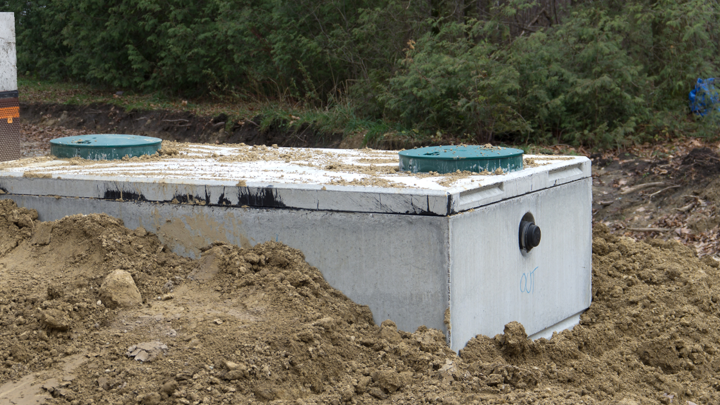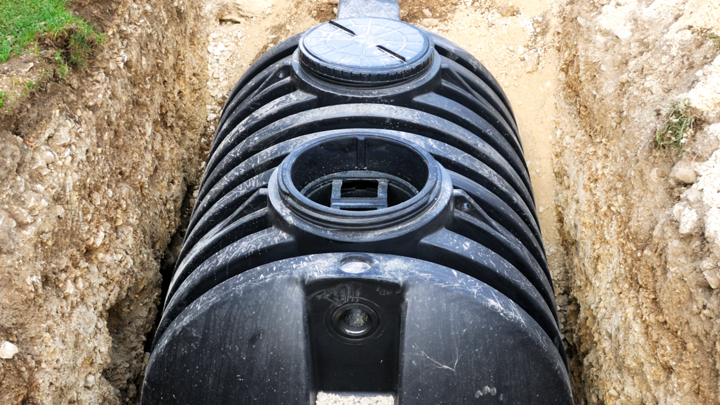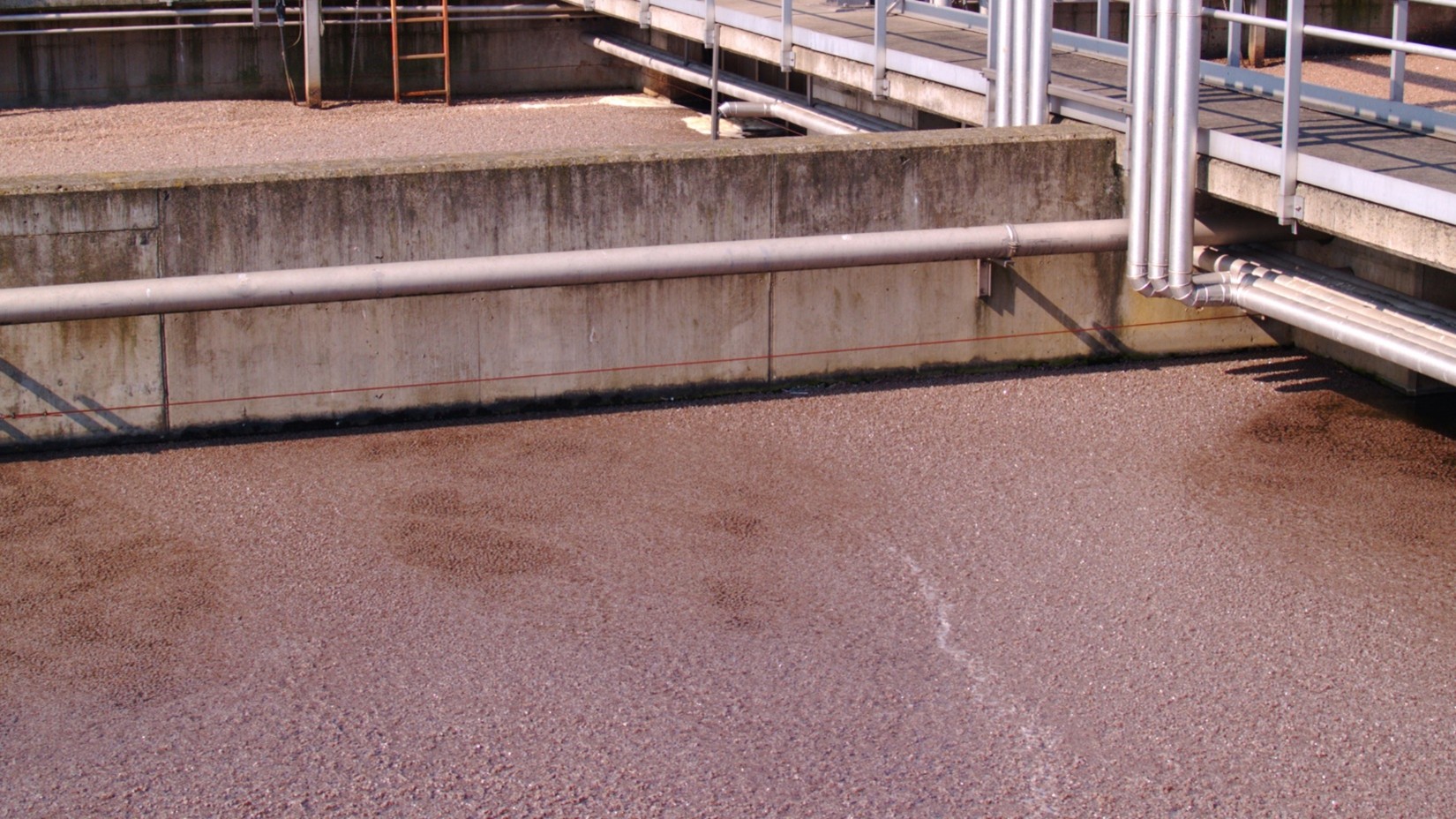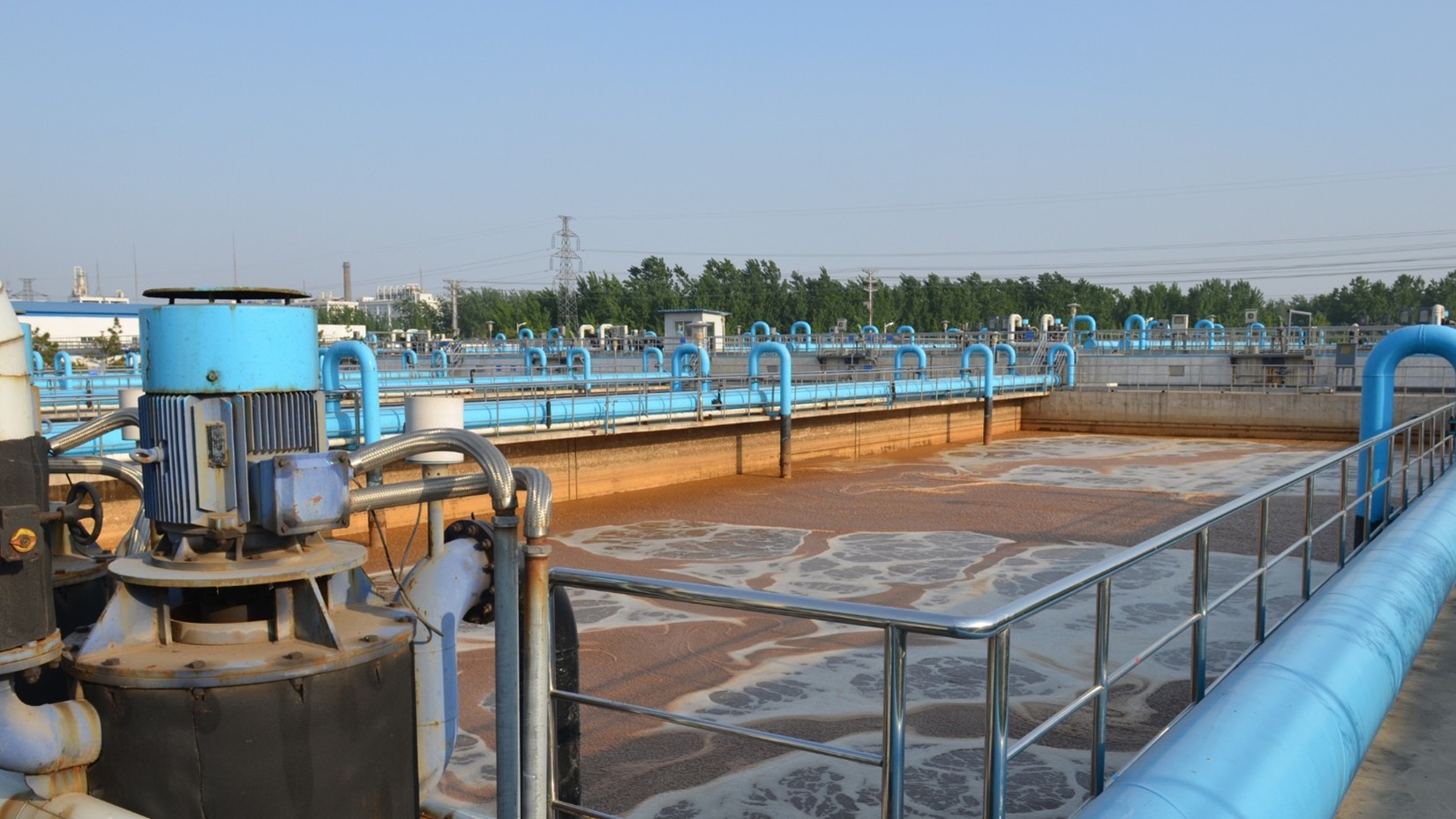
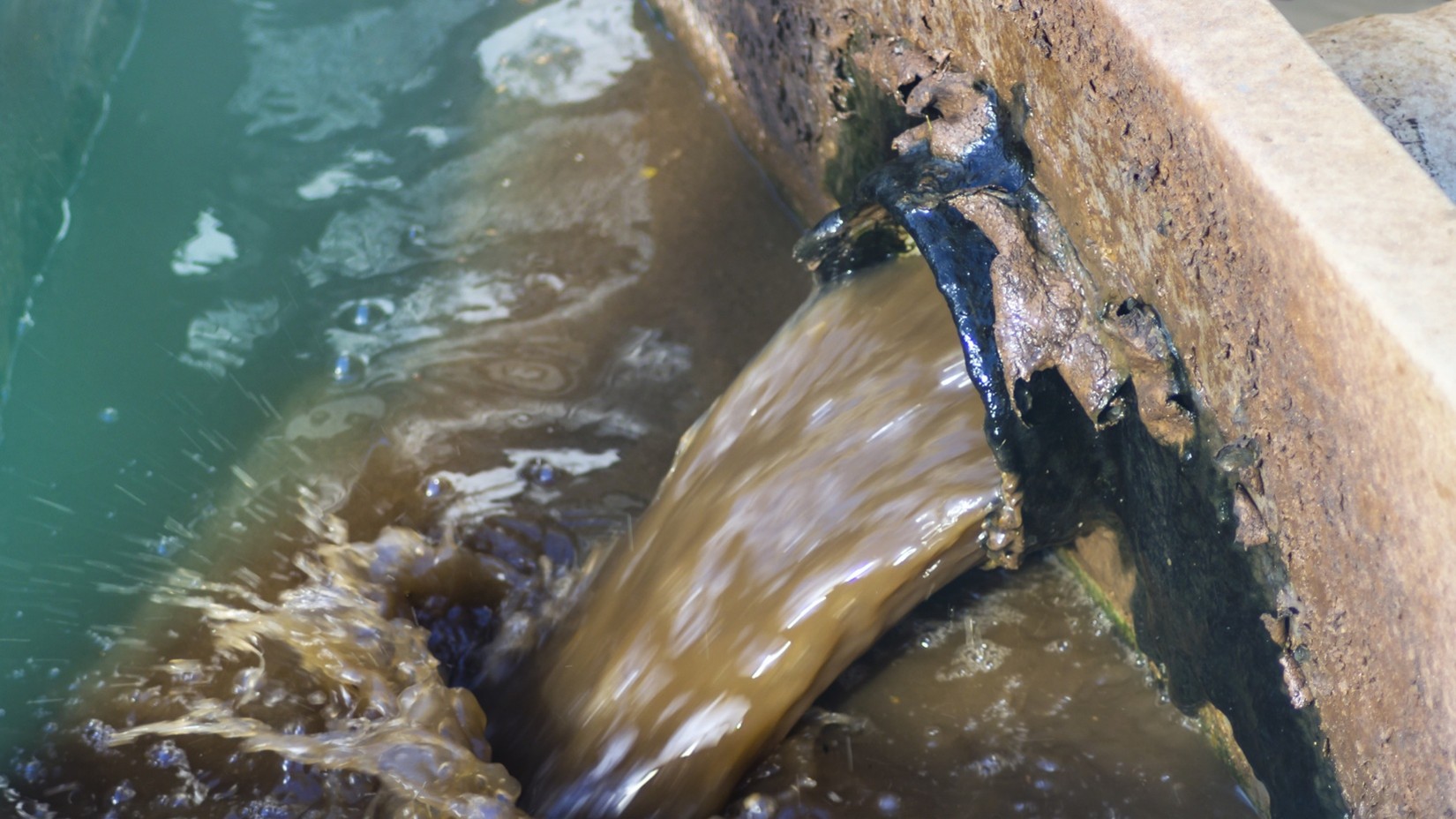
Trickling filter wastewater treatment in New Hampshire works by giving wastewater an added biological treatment step before final dispersal, and that extra step can make a big difference on properties where a basic septic approach is not the best fit. The name sounds a little technical at first, but the idea is fairly straightforward. Wastewater passes through a treatment process that encourages helpful biological activity, and that process improves effluent quality before it moves through the rest of the system.
For homeowners in New Hampshire, that matters because not every property is simple. Some lots need stronger treatment, some have design limitations, and some projects benefit from a system that can do more work before the wastewater reaches the soil. Trickling filter treatment is one of the ways that gets accomplished.
Why trickling filter wastewater treatment in New Hampshire is different from a basic septic setup
- Why trickling filter wastewater treatment in New Hampshire is different from a basic septic setup
- What problem does trickling filter treatment solve?
- Where denitrification fits into the conversation
- Why New Hampshire homeowners look at trickling filters
- What this means for system decisions
- A practical way to look at it
- FAQs
A conventional septic system relies heavily on the septic tank for separation and the soil for a major share of treatment. That can work very well on the right site. But trickling filter treatment adds another stage between the tank and final dispersal.
That added stage supports biological treatment on specialized media. As wastewater moves through it, naturally occurring organisms help break down contaminants more thoroughly. The result is cleaner effluent moving into the next phase of the system. For homeowners, the important point is not the engineering vocabulary. It is that the treatment process is doing more before the water ever reaches the soil.
This difference is one reason people who start by asking about system performance often end up discussing wastewater treatment in New Hampshire more broadly. Once you understand the role of added treatment, the system category makes a lot more sense.
What problem does trickling filter treatment solve?
The short answer is fit. Some properties need better treatment quality than a standard design can comfortably provide. That could be because of lot constraints, local conditions, or environmental goals tied to the project.
Trickling filter treatment helps by improving wastewater before it reaches final dispersal. That stronger treatment profile can support system performance and make certain designs more viable. It can also help protect the downstream parts of the system by reducing the burden placed on them.
This is where homeowners sometimes discover that advanced treatment is not about choosing something flashy. It is about choosing something appropriate. On sites that call for better performance, advanced septic tank solutions in New Hampshire may simply offer a better answer than a conventional layout.
Where denitrification fits into the conversation
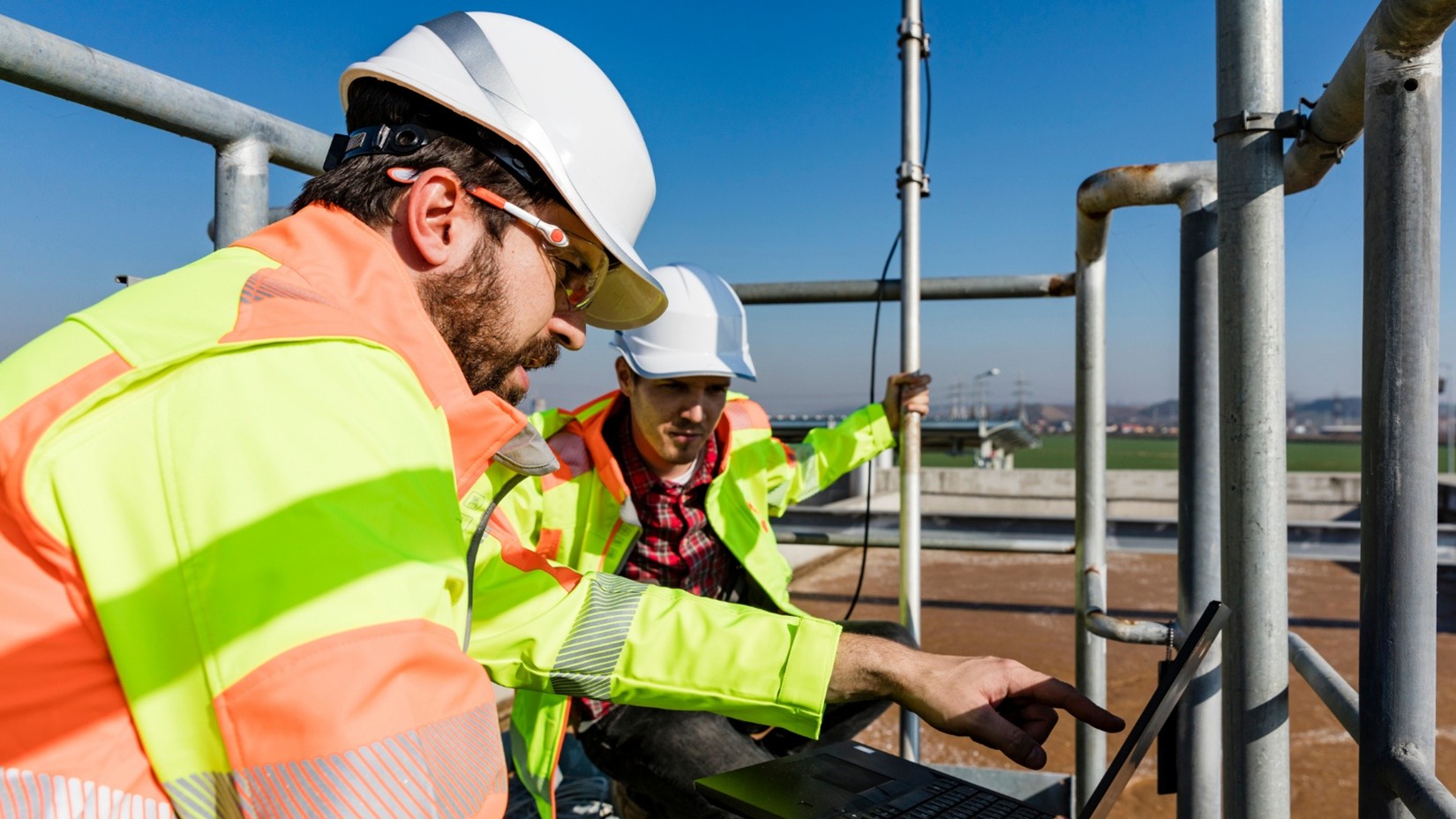
In some cases, treatment is not only about general effluent quality. Nutrient reduction can matter too. That is when wastewater denitrification in New Hampshire becomes part of the discussion.
Not every homeowner needs to think deeply about nitrogen, but on certain projects it is important. If the site or permitting path calls for stronger nutrient treatment, advanced designs may help meet that need more effectively. Trickling filter treatment is often discussed alongside these higher-performance goals because it is part of the broader move toward improved wastewater quality.
That does not mean every property needs the same level of treatment. It means some sites benefit from having more treatment work happen before dispersal, and that can change the whole design conversation.
Why New Hampshire homeowners look at trickling filters
New Hampshire properties can vary a lot. Some sites are straightforward. Others come with tighter conditions that make design choices more important. When homeowners want a system that handles those realities more confidently, trickling filters become worth a look.
You may also hear the phrase wastewater trickling filters in New Hampshire. It is basically another way of pointing to the same treatment concept: wastewater is moving through a biological process that helps clean it more thoroughly before the next step. That can be especially useful when the system needs a stronger treatment profile without losing sight of long-term practicality.
For many homeowners, the attraction is not complexity for its own sake. It is the idea of having a system that is better matched to the property.
What this means for system decisions
If a site can handle a conventional design comfortably, that option may still make perfect sense. But when the property needs more help, trickling filter wastewater treatment in New Hampshire deserves serious consideration because it addresses treatment at a deeper level.
The key is to ask the right question. Instead of “Is this system more advanced?” ask “Does this property need stronger treatment before dispersal?” If the answer is yes, the value of trickling filter treatment becomes much easier to see.
A practical way to look at it
For homeowners, the most useful way to think about trickling filter treatment is as a performance tool. It is there to improve wastewater quality, support difficult sites, and help certain projects work more effectively over time. In that sense, trickling filter wastewater treatment in New Hampshire is not a niche idea. It is a practical option for properties that need more from their system than a conventional design can comfortably provide.
Once that clicks, the phrase sounds a lot less technical and a lot more useful.
FAQs
Is trickling filter treatment only for large commercial properties?
Usually not. The treatment concept can be valuable anywhere a property needs stronger wastewater performance than a basic system offers.
Does a trickling filter system replace every other part of the septic system?
No. It adds treatment to the overall process, but it still works as part of a complete wastewater system.
Is trickling filter wastewater treatment in New Hampshire mainly about cleaner effluent?
Yes, that is the core benefit. The added biological treatment helps improve wastewater quality before final dispersal.
Ready to get started? Reach out to us online at SeptiTech or give us a call at 207-333-6940. If your septic system is always causing problems, it might be time to call. We’ve got the right solutions, including the STAAR® system.

Our solutions are made to handle the heavy lifting, without you even thinking about it. Whether it’s for your home or a bigger property, we know how to set up a system that fits what you need. See how we can make things simpler for you.


 (207) 333-6940