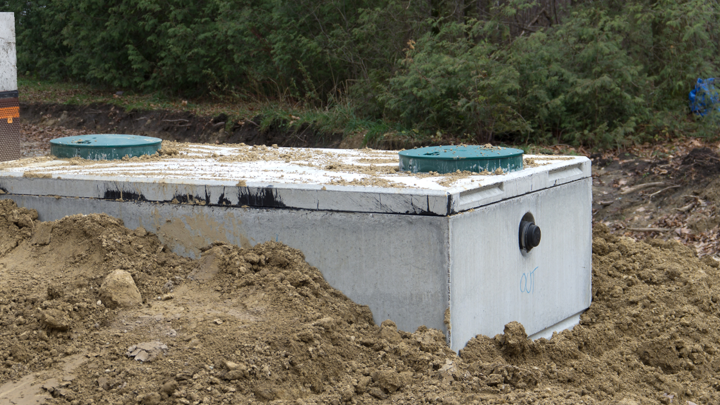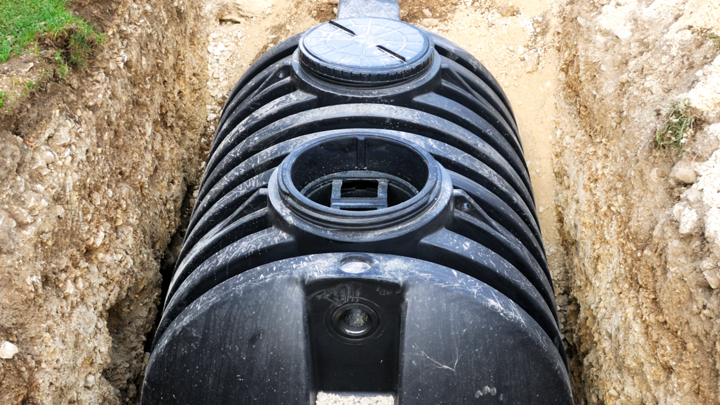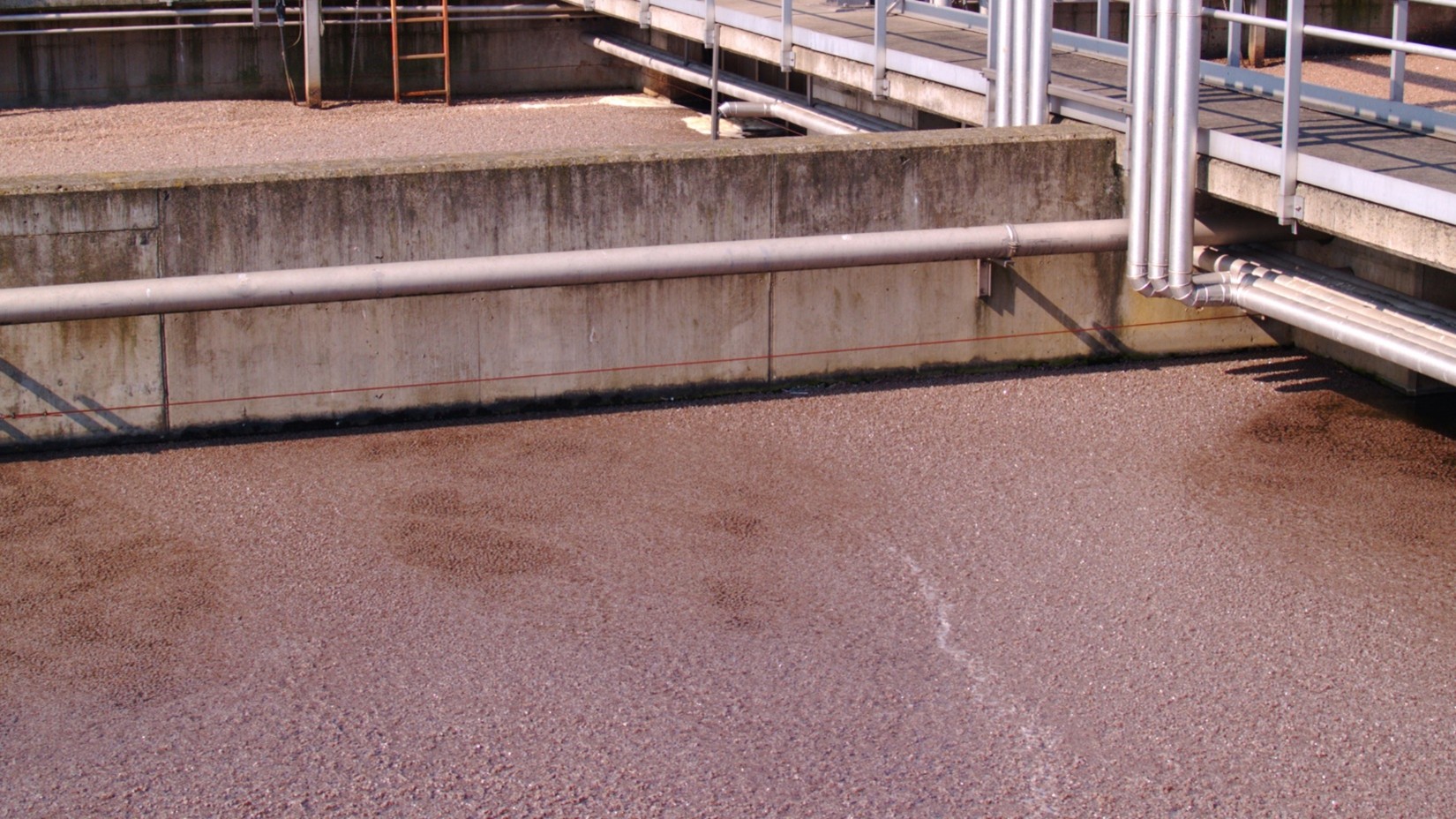
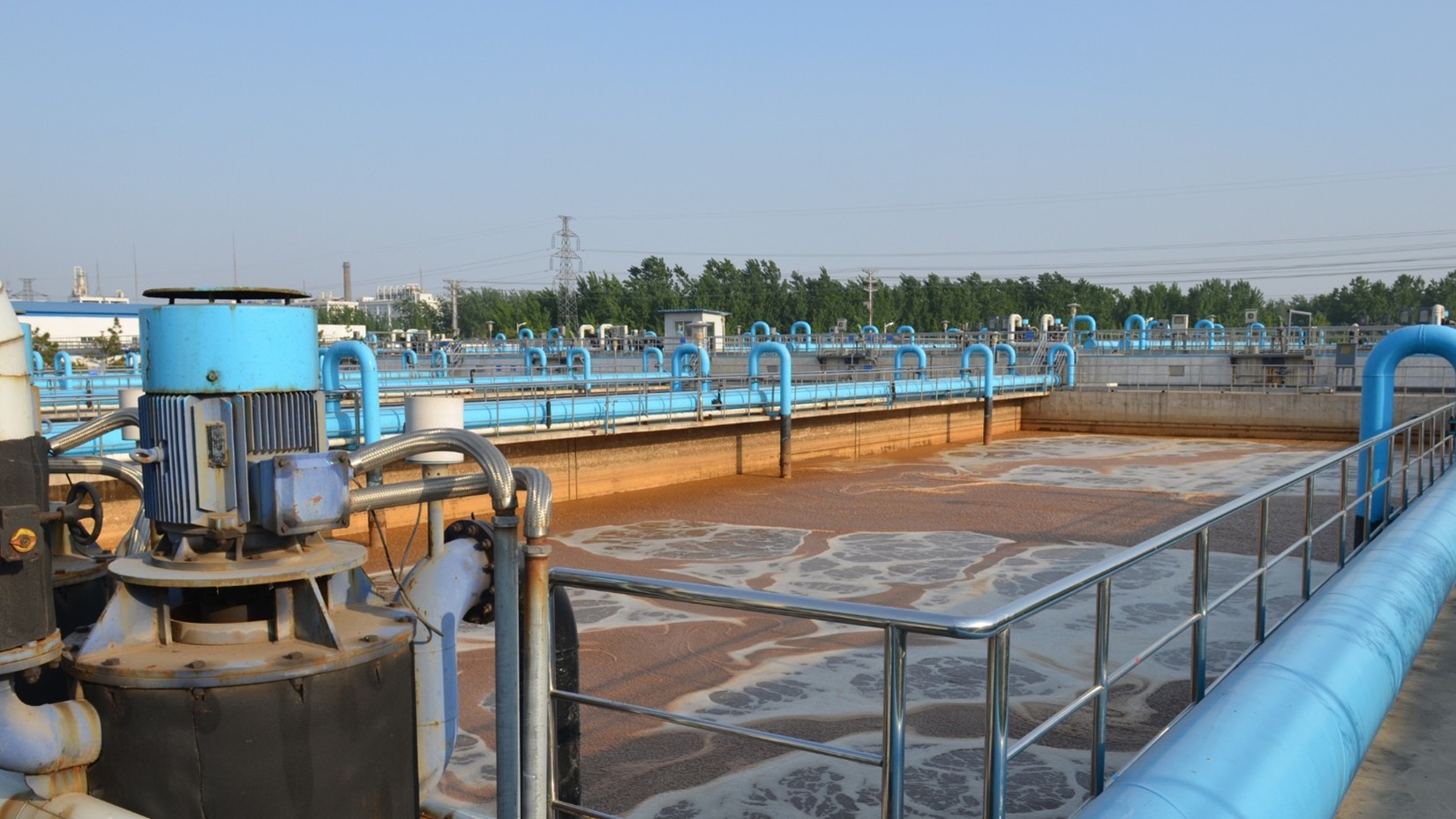
Wastewater treatment in Portland usually feels expensive right up front, so the real question is whether that bigger first bill saves you money, trouble, and stress later. For a lot of homeowners in and around Portland, the answer is yes, but not because an advanced system is automatically better for every property. It depends on the lot, the soil, local permitting, and how much treatment performance you actually need.
A conventional system can work well on a straightforward site. If the property drains properly, has enough room, and does not sit near conditions that call for tighter wastewater controls, a standard setup may be perfectly reasonable. But once a property gets more complicated, the price comparison changes. Challenging soil, a small lot, a site near the water, or a project that needs higher treatment performance can make a basic system less practical than it first appears.
Why wastewater treatment in Portland can cost more upfront but less over time
The upfront cost is what most people notice first. Advanced systems usually involve more engineering, more specialized components, and more planning during design and installation. That can make people hesitate. Still, the sticker price is only part of the story.
When a site is difficult, trying to force a conventional design onto it can lead to compromises, added excavation, layout headaches, or a system that is technically allowed but not especially forgiving over time. In those situations, a more capable treatment design may help the whole project fit the site better. That is one reason many property owners start looking at advanced septic tank solutions in Portland, ME instead of focusing only on the cheapest initial proposal.
Long-term value also matters. If a system reduces the chance of chronic nuisance issues, protects a drainfield better, or helps meet stricter treatment needs from the start, that can be worth real money later. Nobody wants to pay twice because the first plan was barely good enough.
What you are really paying for
A higher-end system is not just a more expensive tank. You are paying for better treatment, better suitability for certain sites, and in many cases a design that gives an installer and homeowner more room to solve real-world problems. That is especially important when a property is not a clean, simple build.
In the Portland area, many homeowners are also thinking beyond code minimums. They want a system that performs well, supports long-term property use, and does not become a recurring headache. That is where advanced septic tank solutions in Portland often come into the conversation. The goal is not to overspend. The goal is to spend once on something that fits the site and the use case.
That same logic applies when nutrient reduction matters. On some properties, treatment performance is not just a nice feature. It is part of what makes the project viable. If a design needs stronger nitrogen reduction, options tied to wastewater denitrification in Portland, ME may justify the extra cost because they are solving a requirement, not adding fluff.
The site usually decides more than the budget does
People often approach this as a simple good-better-best pricing question. In practice, the lot itself may make the decision for you. Soil conditions, setback limitations, water table concerns, and available space all shape what is realistic.
That is why system comparisons should start with the property rather than a generic online price range. A lower-cost conventional system on paper may not actually be the lower-cost path once site limitations are accounted for. Sometimes trickling filter wastewater treatment in Portland, ME gives designers a more workable route because it improves treatment before dispersal, which can be helpful on sites where performance matters as much as footprint.
And there is a practical side to this that homeowners appreciate. A system that fits the site well is usually easier to live with. Fewer surprises, fewer warning signs, and fewer “why is this suddenly a problem?” moments go a long way.
When the extra cost makes sense
The extra cost tends to make the most sense when the property is constrained, when environmental performance is important, or when the owner plans to stay put and wants fewer long-term compromises. It can also make sense when the system choice affects whether a renovation, new build, or expansion is even possible.
This is also where wastewater trickling filters in Portland enter the conversation in a useful way. They are not just technical jargon. They represent a treatment approach that can help bridge the gap between a difficult site and a workable design. For the right property, that can be the difference between squeezing by and building something with a stronger margin for performance.
That does not mean every homeowner should choose advanced treatment automatically. If the lot is simple and the demands are low, conventional may still be the right call. Paying more only makes sense when the added treatment or flexibility actually solves a real problem.
A smarter way to think about the price
The best way to judge the cost is to ask what the system is helping you avoid. Is it helping you avoid a weak fit for the site? Is it helping you avoid future rework? Is it helping you meet treatment needs that a basic design will struggle with? That is where wastewater treatment in Portland starts to look less like a premium upgrade and more like a sensible investment.
A lot of homeowners spend too much time comparing line items and not enough time comparing outcomes. The better question is not “Which option is cheapest today?” It is “Which option makes the most sense for this property over the next ten or twenty years?” For many Portland-area projects, that answer points toward an advanced design for practical reasons, not flashy ones.
The bottom line for Portland homeowners
For many properties, wastewater treatment in Portland is worth the higher initial cost when it gives the site a better technical fit, improves treatment performance, and lowers the odds of expensive frustration later. That does not make it the right answer every time. It does mean the price should be judged against the property, the permitting needs, and the long view of ownership, not just the first invoice.
FAQs
Is an advanced septic system always more expensive to maintain?
Not necessarily. Some advanced systems do have more components and service needs, but a well-matched design can also prevent the kind of chronic performance issues that end up costing plenty on their own. If you are comparing proposals, ask how wastewater treatment in Portland is expected to perform on your specific lot over time.
Does paying more upfront mean the system will last longer?
Sometimes it can, but longevity is really about design, installation quality, and maintenance. A well-installed system that suits the site usually has a better shot at staying trouble-free than one chosen mainly for its lower bid.
Should I rule out a conventional system right away?
Usually not. If the site is simple and there are no special treatment concerns, conventional may still be a solid option. It just should not be treated as the default winner before the property is properly evaluated.
Ready to get started? Reach out to us online at SeptiTech or give us a call at 207-333-6940. If your septic system is always causing problems, it might be time to call. We’ve got the right solutions, including the STAAR® system.

Our solutions are made to handle the heavy lifting, without you even thinking about it. Whether it’s for your home or a bigger property, we know how to set up a system that fits what you need. See how we can make things simpler for you.


 (207) 333-6940