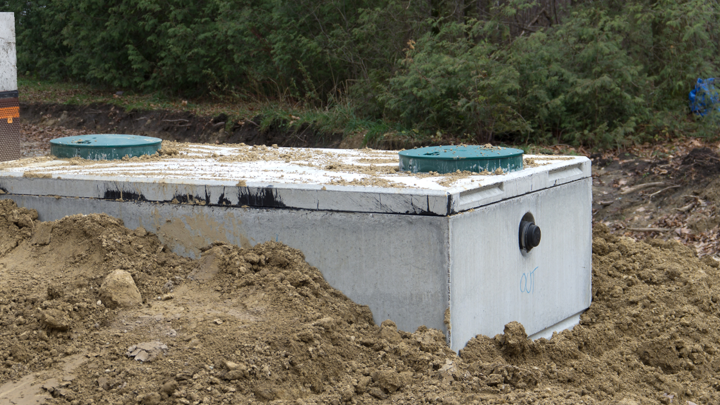
Wastewater treatment in Vermont is usually part of the conversation when a homeowner realizes a conventional septic system may not be the automatic answer for their property. That can happen during a new build, a replacement project, or a renovation where the lot starts dictating more than the budget does. Once that happens, the real debate becomes less about “advanced versus conventional” in the abstract and more about which one actually fits the site.
Conventional systems are familiar for a reason. They are often simpler and less expensive when site conditions are favorable. Advanced systems earn their place when conditions are tighter, treatment needs are higher, or the property cannot comfortably rely on a basic drainfield-only approach. That distinction matters a lot in practical decision-making.
When wastewater treatment in Vermont is not the same as buying more than you need
- When wastewater treatment in Vermont is not the same as buying more than you need
- What conventional still does well
- What advanced systems bring to the table
- Why trickling filter treatment changes the comparison
- Which option makes more sense for Vermont homeowners?
- The smartest comparison is not emotional
- FAQs
A common fear is overbuilding. Nobody wants to be talked into a system that sounds impressive but does not solve a real problem. That is fair. An advanced design only makes sense when it answers something the site is asking for.
Sometimes that answer comes down to space. Other times it is soil conditions, setbacks, or the need for better overall treatment. In those situations, advanced septic tank solutions in Vermont are not a luxury item. They are a way to get a working design where a simpler layout might be awkward, limited, or unreliable.
This is why smart comparisons start with a site review, not with a generic internet price range. Two systems can look close on paper and behave very differently once real property conditions are involved.
What conventional still does well
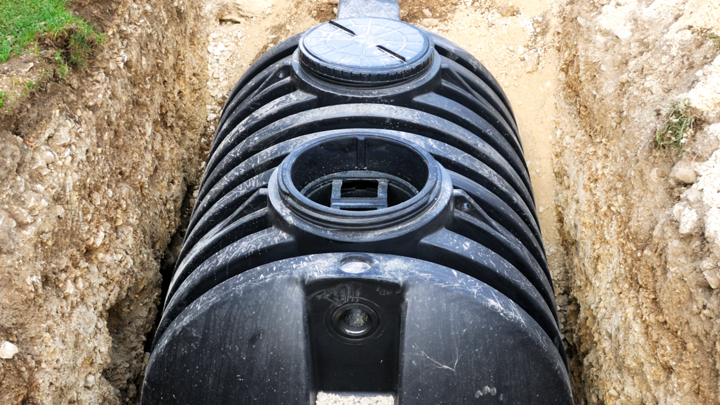
Conventional systems are still the right answer for plenty of properties. If the lot has suitable soil, adequate room, and no special treatment concerns, a standard system may be the most sensible route. The appeal is obvious: less complexity, fewer components, and often a lower upfront cost.
That is especially true when the project does not need added nutrient reduction or specialized treatment stages. A conventional system can be dependable when the property supports it. Homeowners should not feel like they are falling behind by choosing a standard design on a straightforward site.
Still, the strengths of conventional systems are tied closely to the conditions around them. If the lot works against the design, the simplicity advantage can disappear pretty quickly.

What advanced systems bring to the table
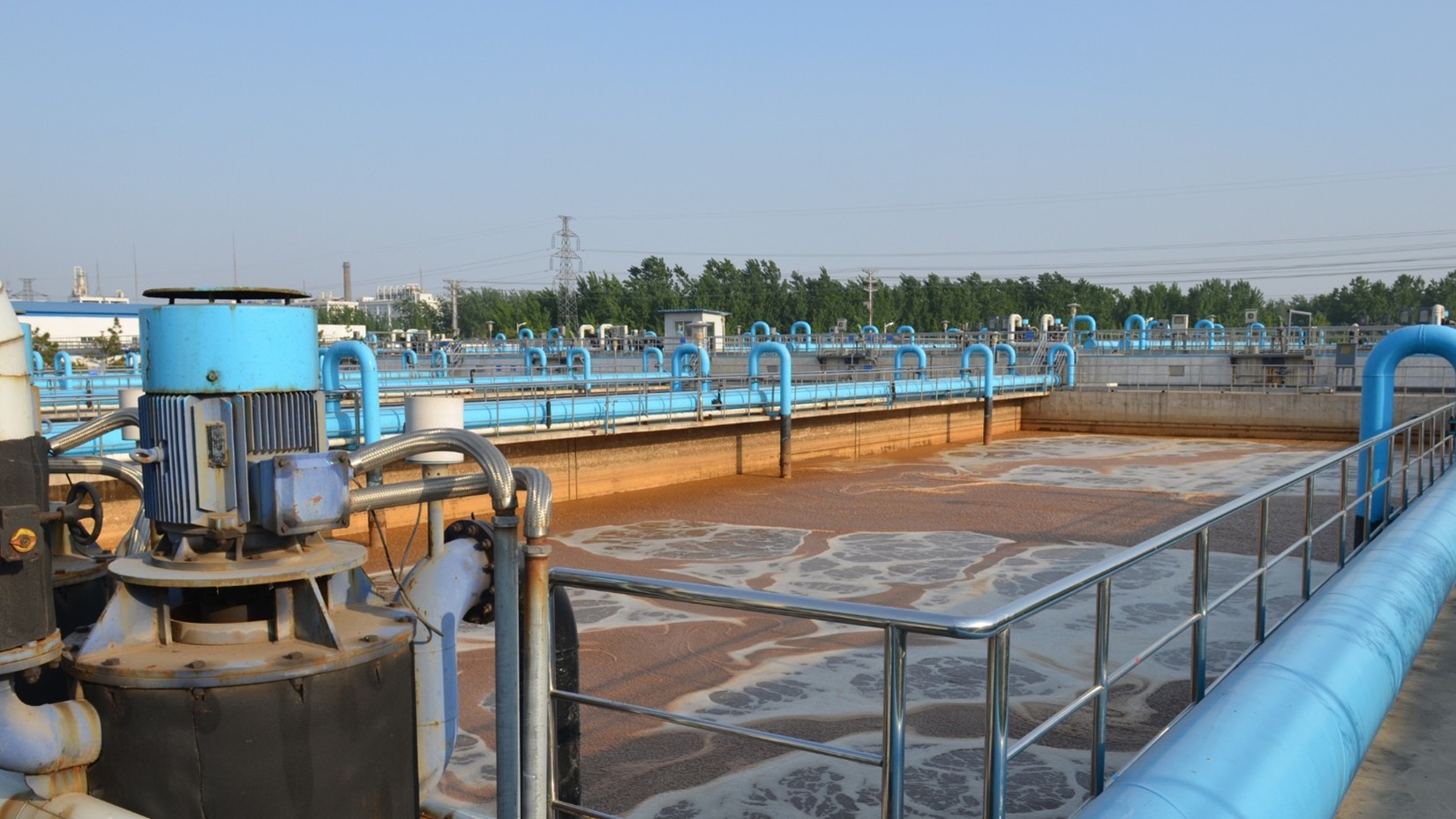
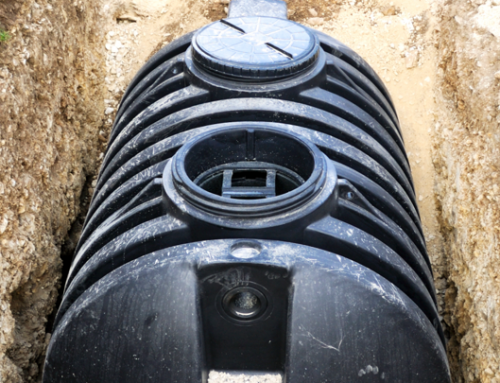
Advanced systems bring treatment performance and flexibility. They help clean wastewater more thoroughly before it reaches the final dispersal area, which can be useful when the site is less forgiving. That stronger treatment profile is one reason advanced septic tank solutions in Vermont come up so often on constrained or environmentally sensitive properties.
They can also help when nutrient reduction matters. If nitrogen is part of the permitting or performance conversation, wastewater denitrification in Vermont may become a meaningful factor in the system choice. At that point, advanced treatment is doing something a conventional system may not be equipped to do well enough.
That does not make advanced automatically superior. It makes advanced more capable in the specific situations that call for it.
Why trickling filter treatment changes the comparison
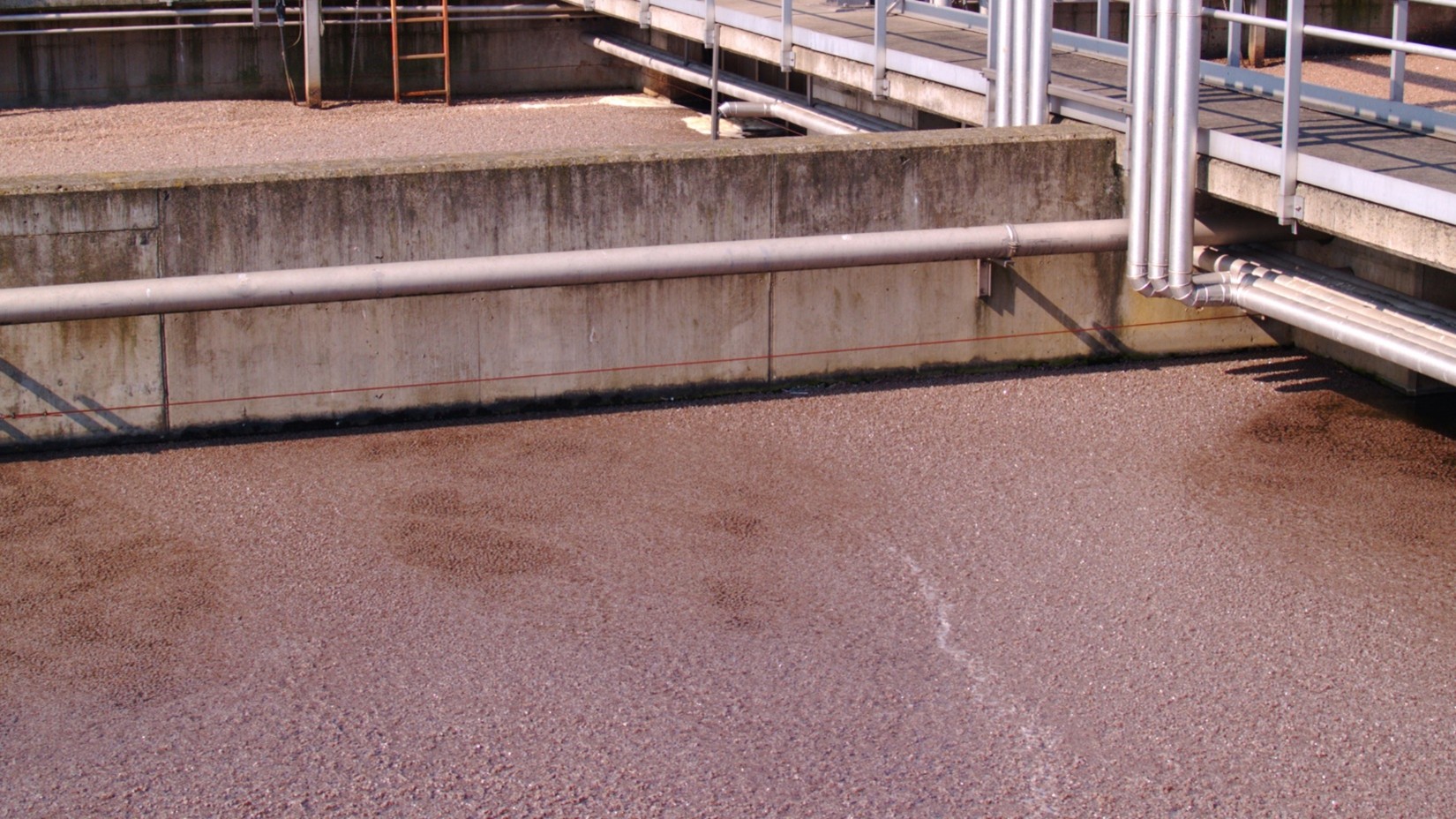
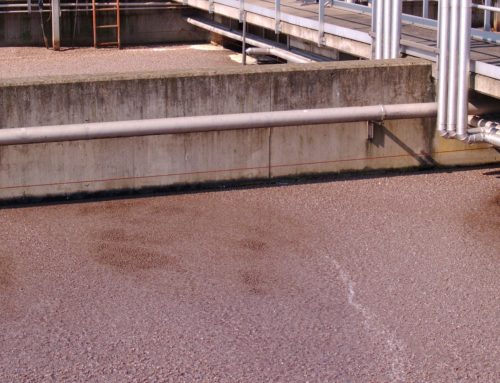
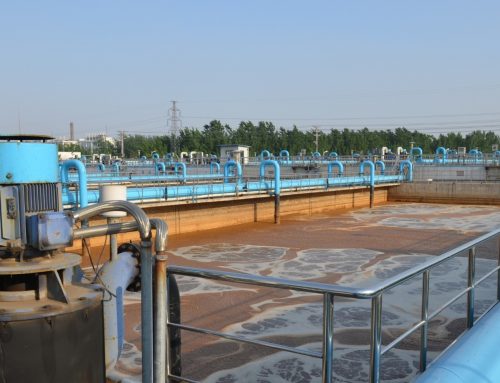
A lot of advanced-versus-conventional comparisons get clearer once trickling filter treatment enters the picture. Trickling filter wastewater treatment in Vermont is valuable because it adds a biological treatment step that improves wastewater quality before dispersal.
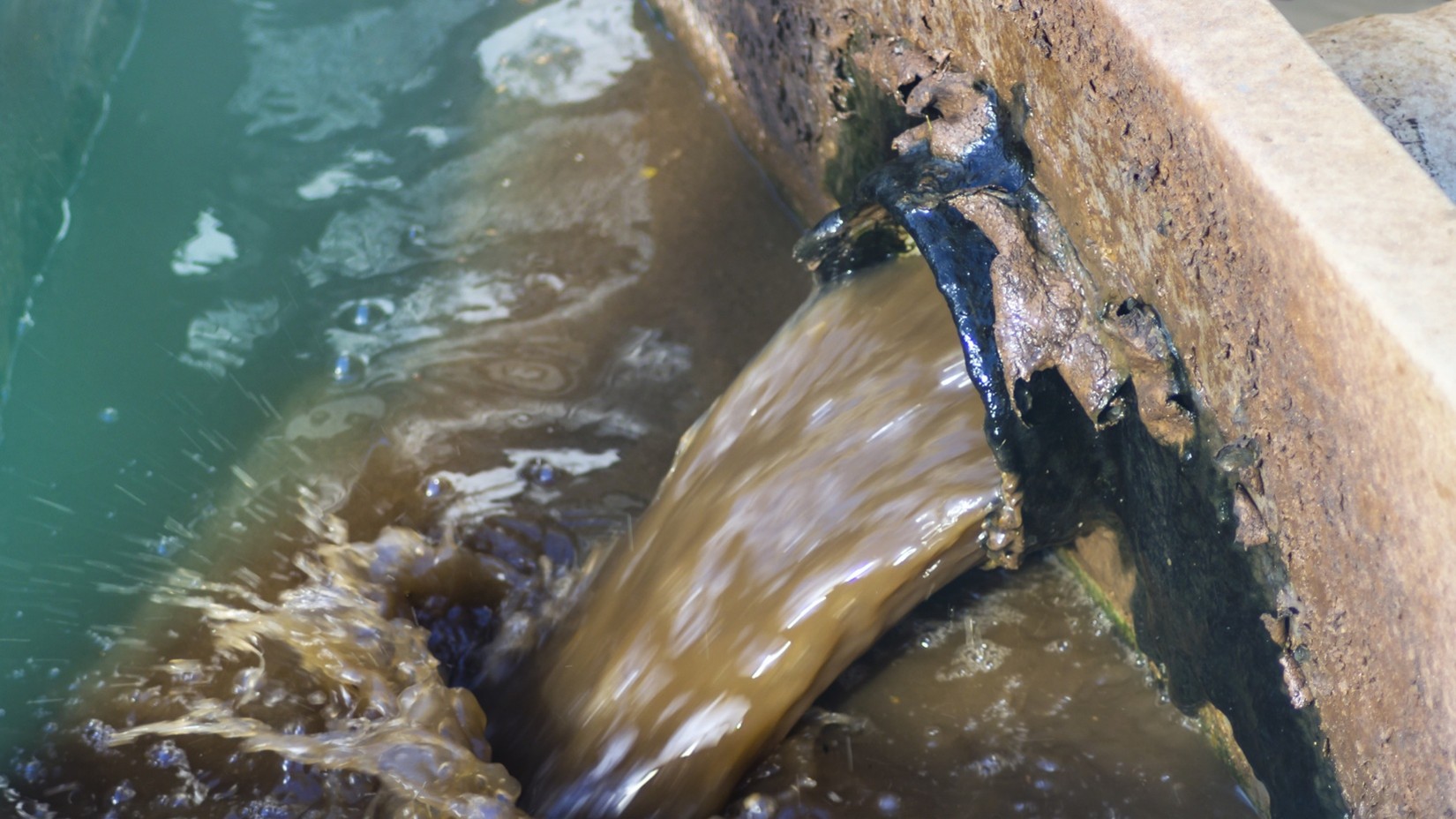
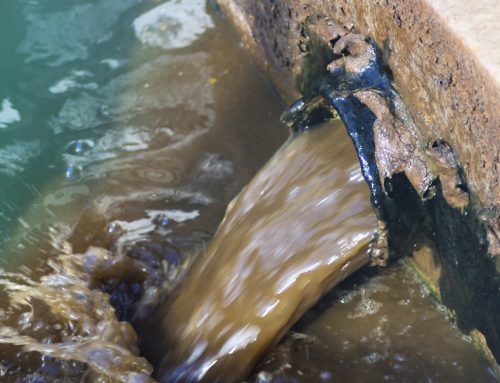
For homeowners, the benefit is simple to understand even if the engineering is not. Cleaner effluent gives a difficult site more support. It can also help protect the overall system by reducing the burden placed on the drainfield. That is why wastewater trickling filters in Vermont are often part of the recommendation when a property needs something beyond the basics.
In other words, the comparison stops being “old school versus new school” and becomes “basic treatment versus enhanced treatment.”
Which option makes more sense for Vermont homeowners?
The better option is the one that fits the site without forcing the design. If the property is straightforward, conventional may absolutely make more sense. Lower cost and lower complexity can be genuine advantages when they come without major tradeoffs.
But if the property is tight, the treatment expectations are higher, or the project needs more flexibility, then wastewater treatment in Vermont starts to look like the more sensible path. Not because it is trendy. Because it addresses real constraints in a more direct way.
This is where homeowners should slow down and ask practical questions. What is the site asking for? What is the design trying to solve? What compromises come with each option? Those questions usually lead to a better decision than comparing the initial bids alone.
The smartest comparison is not emotional
It is easy to frame this as a battle between simple and sophisticated. That usually misses the point. Good septic decisions are rarely emotional. They are about performance, fit, and long-term practicality. For some Vermont properties, that means conventional is still the easy winner. For others, wastewater treatment in Vermont offers a smarter long-range solution because it matches the demands of the site more honestly.
If you look at the decision through that lens, the answer gets a lot clearer. The best system is not the one with the flashiest label. It is the one that works well where it matters most: on your property, under your conditions, for the long haul.
FAQs
Is advanced always better than conventional?
Usually not. Better depends on the site. If the lot is simple, conventional can be a great fit. Advanced matters most when the property needs stronger treatment or more design flexibility.
Does an advanced system make sense for a replacement project?
Sometimes it can. Replacement work often uncovers site limitations that were not obvious at first, and that can make enhanced treatment worth considering.
Can wastewater treatment in Vermont help on a smaller or more difficult lot?
Yes, that is one of the main reasons homeowners and designers look at advanced options in the first place.
Ready to get started? Reach out to us online at SeptiTech Give us a call at 207-333-6940. If your septic system is always causing problems, it might be time to call. They’ve got something called the STAAR® system that just works. You won’t need to keep checking on it or worry about constant upkeep.

It’s made to handle the heavy lifting without you even thinking about it. Whether it’s for your home or a bigger property, they know how to set up a system that fits what you need. See how they can make things simpler for you.


 (207) 333-6940