Trickling Filter Wastewater Treatment in Vermont may not be the first phrase people expect to see in an article about pumping frequency, but it belongs in the discussion because how well a system treats wastewater affects how hard the rest of the system has to work. Pumping schedules still depend on tank size, household use, and maintenance habits, but the broader system design matters too.
If your goal is to reduce how often your septic tank needs to be pumped, the answer is not to avoid pumping until there is a problem. The smarter move is to reduce unnecessary strain on the tank and the overall system. That means watching what goes down the drain, managing water use, and making sure the treatment setup is appropriate for the property.
Why Trickling Filter Wastewater Treatment in Vermont belongs in the conversation
- Why Trickling Filter Wastewater Treatment in Vermont belongs in the conversation
- The simplest ways to stretch the time between pump-outs
- Why system fit affects maintenance
- What denitrification and trickling filters have to do with performance
- Good pumping intervals still matter
- The best way to reduce pump frequency without cutting corners
- FAQs
A septic tank fills with solids over time. Pumping removes those solids before they build up enough to create problems. No treatment system makes pumping disappear entirely. What a stronger treatment design can do, though, is support better overall system performance and reduce the kind of stress that leads to avoidable issues.
That is one reason wastewater treatment in Vermont matters more than homeowners sometimes realize. When a system is well matched to the property and handles wastewater effectively, the whole setup tends to function more smoothly. That does not change the need for regular pumping, but it can help reduce the conditions that make problems show up faster.
In other words, a good system design supports good maintenance habits. It does not replace them.
The simplest ways to stretch the time between pump-outs
The biggest factor is what enters the tank. Too much water, too much grease, and too much material that should never have been flushed in the first place will shorten the useful window between pump-outs. Homeowners who want longer intervals should start with the basics.
Spread out laundry loads instead of doing everything in one day. Fix leaks quickly. Be careful with food waste, wipes, paper products, and cleaning items that do not break down well. Water volume matters too. If a tank is constantly getting hit with more flow than it comfortably handles, solids and scum will not separate as well.
These habits sound small, but they add up. The tank works best when it has time and space to do its job.
Why system fit affects maintenance
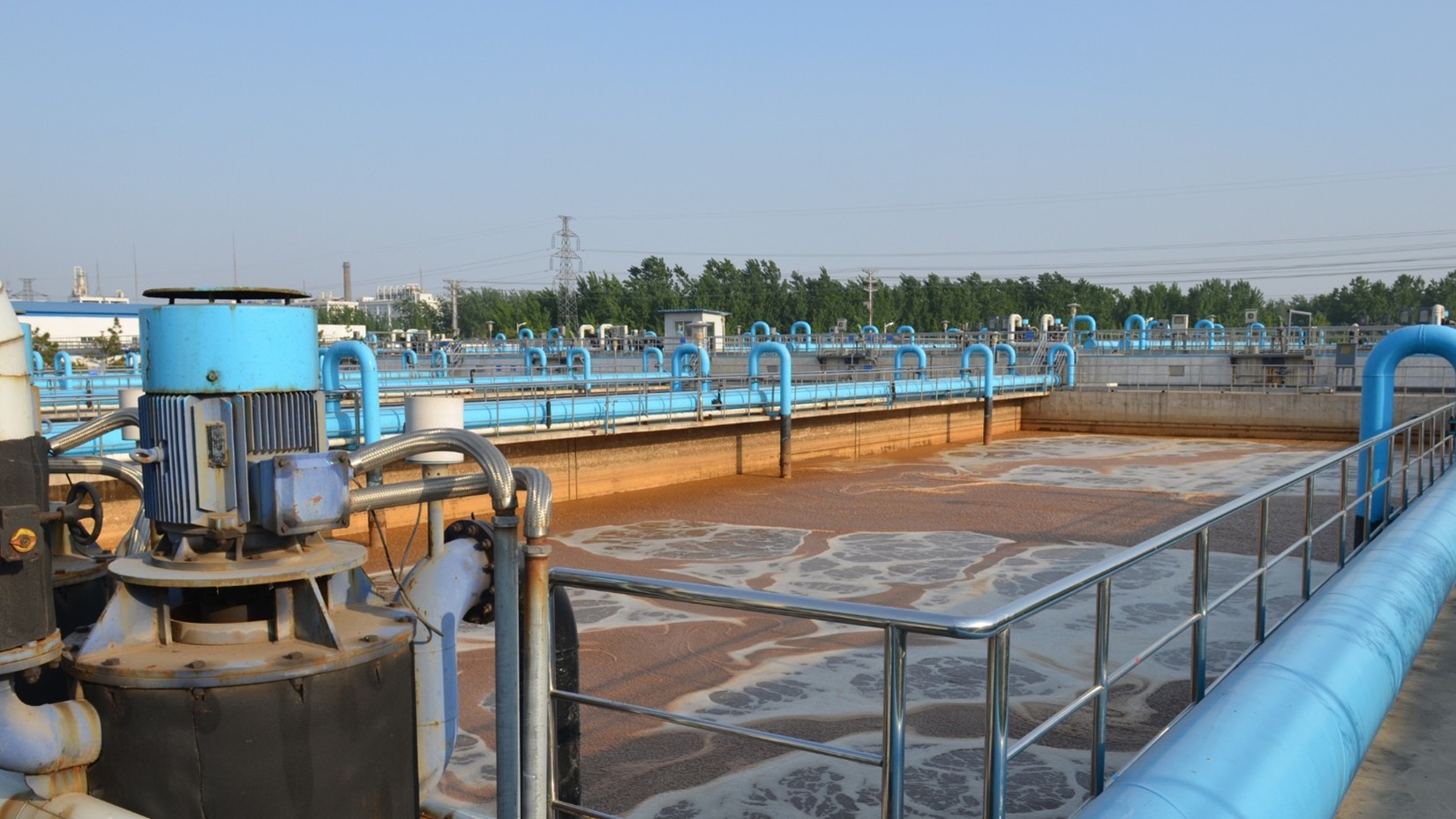
The way a system is designed can influence how efficiently it performs over time. A poor fit for the site can create stress points that lead to nuisance issues, backups, or treatment problems that make maintenance feel constant. That is where advanced septic tank solutions in Vermont can be part of a more practical long-term approach.
An advanced design does not magically eliminate sludge buildup inside the tank. What it can do is improve how wastewater is treated after it leaves the tank, which supports the rest of the system and can help the property operate with fewer headaches. That matters when you are trying to keep the whole system stable over time, not just chase the next pumping appointment.
This is especially useful on sites where a conventional setup would be working with a thinner margin for error.
What denitrification and trickling filters have to do with performance
Some Vermont properties need stronger treatment for environmental or site-related reasons. That is where wastewater denitrification in Vermont may become relevant. Even if a homeowner is mainly thinking about pumping frequency, the larger treatment picture still matters because system performance affects long-term reliability.
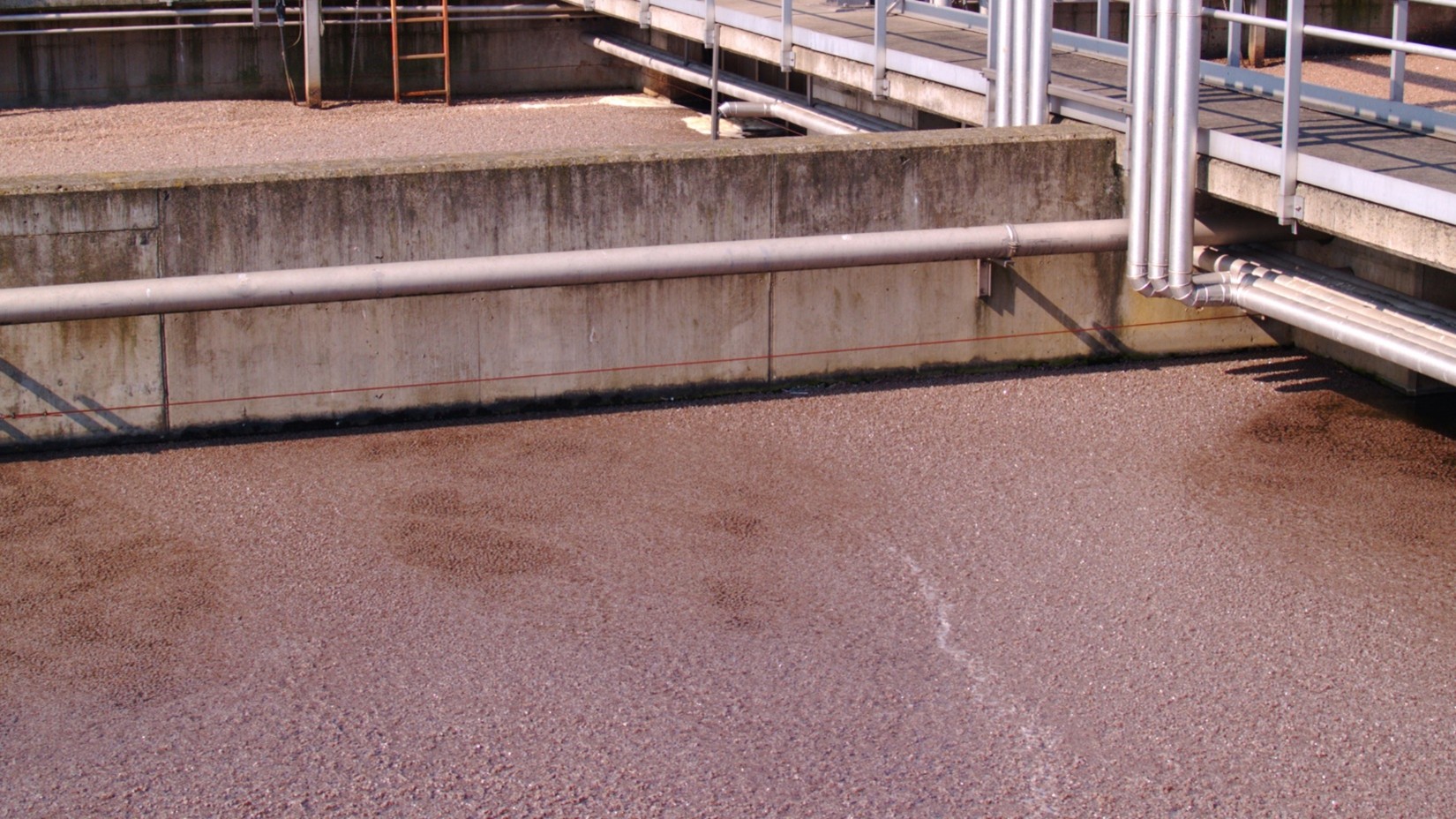
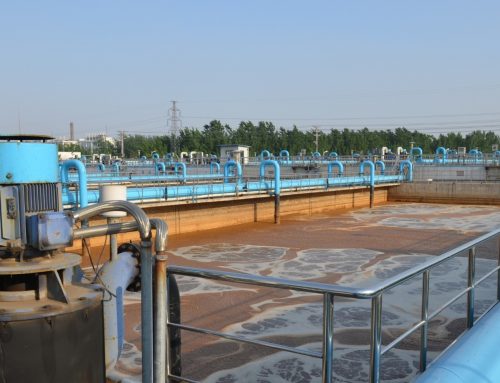
You may also hear professionals mention wastewater trickling filters in Vermont. Those systems use added biological treatment to improve wastewater quality before final dispersal. For the homeowner, the practical meaning is that the system is getting more treatment help beyond the tank itself.
That can support better overall function, especially on properties that need more than a standard approach. Again, it does not remove the need for pumping. It helps the rest of the system do its work more effectively.
Good pumping intervals still matter
Trying to pump as rarely as possible is not really the goal. The goal is to avoid pumping earlier than necessary because of preventable misuse or poor system conditions. A healthy maintenance schedule beats emergency service every time.
If the household is larger, water use is heavy, or the tank is relatively small, pumping will still need to happen on a regular basis. That is normal. Homeowners get into trouble when they treat pumping like something to postpone indefinitely instead of something to manage responsibly.
This is where trickling filter wastewater treatment in Vermont becomes part of the bigger picture. A well-performing treatment system supports the property, but it works best alongside realistic maintenance and smart daily habits.
The best way to reduce pump frequency without cutting corners
The best strategy is pretty simple: use water thoughtfully, keep harmful materials out of the system, maintain the tank on schedule, and make sure the overall treatment design fits the site. For some properties, trickling filter wastewater treatment in Vermont supports that long-term stability by improving treatment performance where a site needs more help.
That is the real answer. You reduce how often pumping becomes urgent by helping the whole system work the way it is supposed to. Nothing flashy. Just better habits, better fit, and fewer avoidable problems.
FAQs
Can additives replace regular septic pumping?
Usually not. Most tanks still need routine pumping, and additives are not a dependable substitute for removing accumulated solids.
Does using less water really make a difference?
Yes. Lowering unnecessary water flow helps the tank separate solids more effectively and reduces strain on the entire system.
Can Trickling filter wastewater treatment in Vermont stop a tank from ever needing to be pumped?
No. Pumping is still part of proper septic care, even with stronger treatment elsewhere in the system.
Ready to get started? Reach out to us online at SeptiTech or give us a call at 207-333-6940. If your septic system is always causing problems, it might be time to call. We’ve got the right solutions, including the STAAR® system.

Our solutions are made to handle the heavy lifting, without you even thinking about it. Whether it’s for your home or a bigger property, we know how to set up a system that fits what you need. See how we can make things simpler for you.


 (207) 333-6940