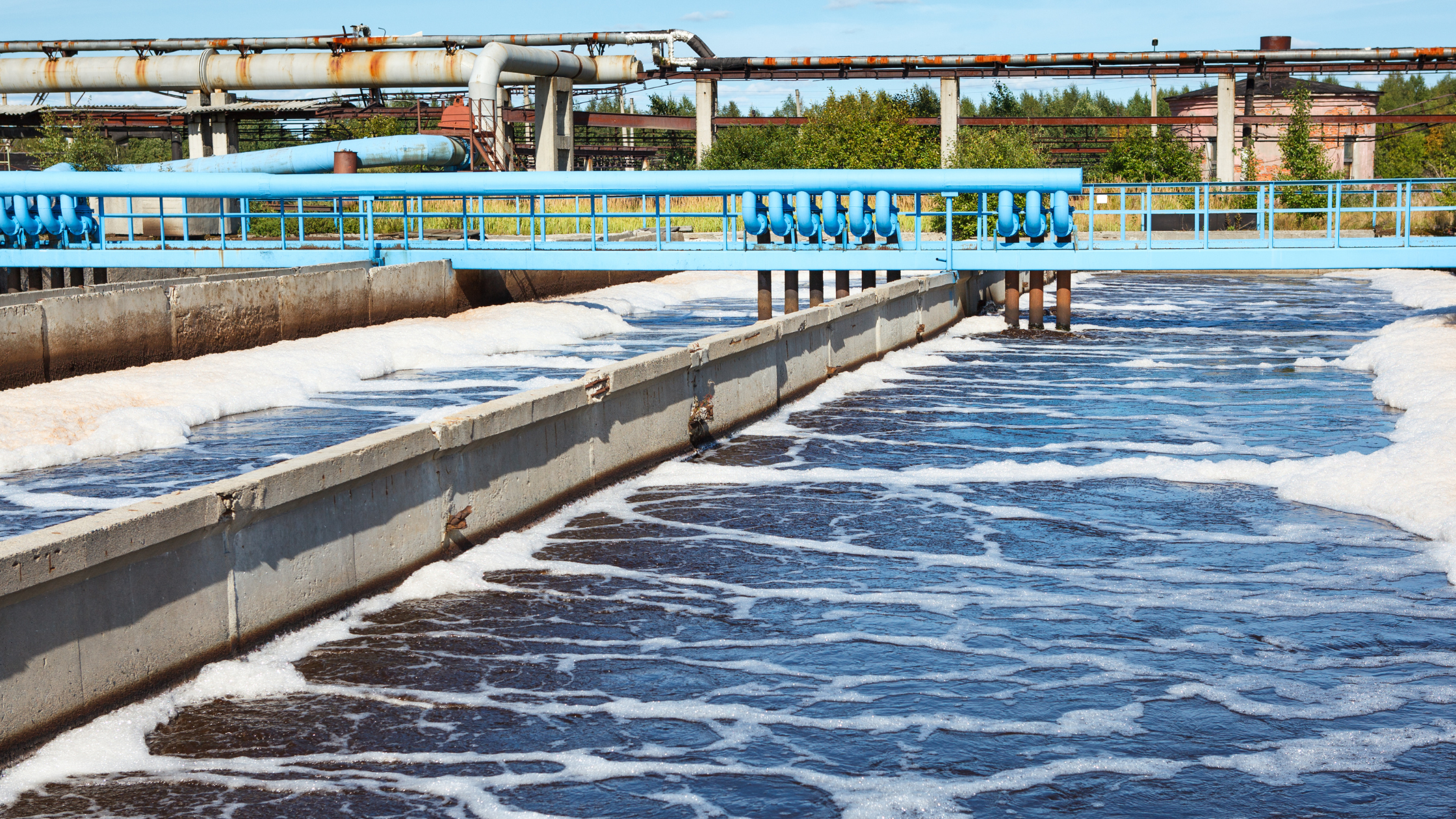

In New Hampshire, wastewater is rarely simple.
Rocky soil. Shallow bedrock. Tight rural lots. Seasonal groundwater swings that change conditions from spring to late summer. All of it affects how systems perform long after installation. That is why wastewater treatment in New Hampshire deserves more attention during planning than most property owners give it.
A standard septic tank handles separation. Solids settle. Liquids move on. But real treatment depends on what happens next. If the surrounding soil cannot absorb and polish the effluent properly, the system works harder than it should. Over time, that stress shows up.
Why Soil Conditions Change Everything
- Why Soil Conditions Change Everything
- Why Nitrogen Standards Are Not Going Away
- What Wastewater Systems Actually Do
- Upgrades and Replacement Projects
- Where Wastewater Trickling Filters Fit
- Planning Early Prevents Expensive Changes Later
- Reliability Over Guesswork
- FAQ: wastewater treatment in New Hampshire
New Hampshire properties are not uniform. One site might have deep sandy soil. Another may hit ledge just a few feet down. In many areas, groundwater levels fluctuate throughout the year.
That variability affects wastewater treatment in New Hampshire more than people expect. A system designed without accounting for those conditions may technically pass inspection but struggle under real use.
This is where advanced treatment steps in.
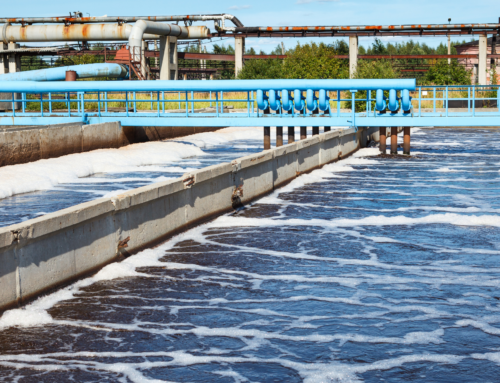
Systems like trickling filter wastewater treatment in New Hampshire provide biological treatment before effluent reaches the dispersal area. Instead of relying entirely on native soil for polishing, the system reduces organic material and nutrients first. That gives the drainfield less work to do.
On difficult sites, that difference matters.
Why Nitrogen Standards Are Not Going Away
Environmental oversight in the state continues to focus on groundwater protection. Nitrogen loading is a serious concern, particularly in sensitive watersheds and lake regions.
Traditional systems were not designed with modern nitrogen limits in mind. They rely heavily on soil depth and composition. When those factors are limited, performance can vary.
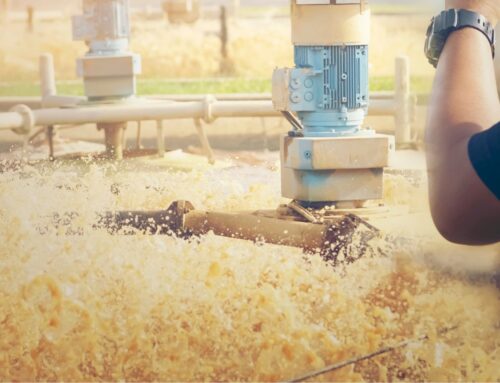
This is another reason wastewater treatment in New Hampshire has evolved. Advanced systems introduce aeration and biological processes that actively reduce contaminants before discharge. That means better protection for nearby wells and surface water.
In certain cases, properties may also require wastewater denitrification in New Hampshire to meet approval standards. Denitrification adds another layer of treatment focused specifically on nitrogen reduction.
It is not about adding complexity. It is about meeting modern expectations without risking long-term failure.
What Wastewater Systems Actually Do
The name sounds technical. The function is straightforward.
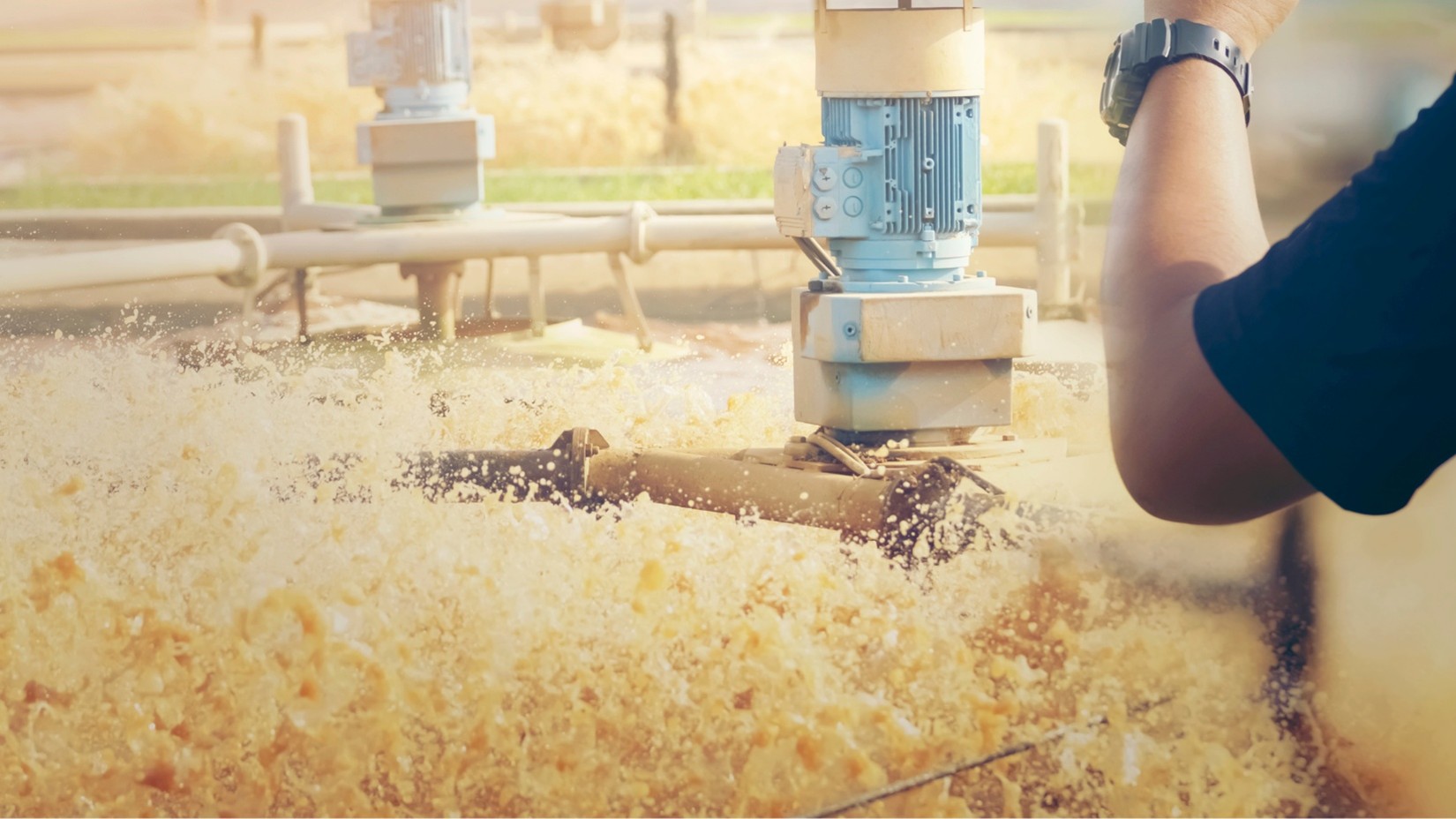
Septic and wastewater solutions in New Hampshire system distribute wastewater over a media bed. Naturally occurring bacteria attach to that media and break down contaminants as wastewater passes through. The treated effluent then moves to final dispersal.
Because treatment happens in a controlled environment, the system does not depend entirely on unpredictable soil conditions. That is one reason it has become a practical solution for challenging sites across the state.
When people research wastewater treatment in New Hampshire they often discover that trickling filters provide a balance between reliability and regulatory compliance.
It is a steady, biological process. No dramatic moving parts. No complicated daily adjustments.
Upgrades and Replacement Projects
Many properties across New Hampshire are operating on systems installed decades ago. At the time, regulations were different. Lot sizes were larger. Usage patterns were lighter.
Today, homes are expanded. Occupancy increases. Water use changes. Older systems start to show signs of strain.
In these cases, property owners often look into advanced septic tank solutions in New Hampshire to replace or upgrade aging infrastructure. Advanced treatment allows smaller footprints and better performance under modern usage demands.
When upgrading, engineers look carefully at flow rates, soil data, and regulatory requirements. The goal is not to oversize. It is to match the system precisely to the site.
That precision reduces long-term risk.
Where Wastewater Trickling Filters Fit
Not every property needs the same design. Some sites can still function well with conventional systems. Others need a stronger treatment step before effluent reaches the ground.
That is where wastewater trickling filters in New Hampshire come into play. They are often used where space is limited, soil depth is shallow, or nutrient reduction is required.
The benefit is consistency.
Instead of hoping the drainfield handles everything, the system actively treats wastewater before dispersal. That gives regulators more confidence and property owners more predictability.
And predictability is valuable when you are dealing with something buried underground.
Planning Early Prevents Expensive Changes Later
One of the biggest mistakes property owners make is waiting too long to think about wastewater. They focus on structure, layout, driveways, and views. Wastewater becomes an afterthought.
Then test pits reveal shallow bedrock. Or setbacks limit drainfield size. Or nitrogen loading calculations push the design toward advanced treatment anyway.
At that point, redesigns cost time and money.
When wastewater is part of early planning, decisions are smoother. Engineers can determine whether standard systems will suffice or whether enhanced treatment is necessary.
In many areas of the state, wastewater treatment now means planning with advanced options in mind from the beginning.
It is not about overbuilding. It is about building correctly the first time.
Reliability Over Guesswork
Wastewater systems are not something you want to experiment with. Once installed, they are expected to operate quietly in the background for years.
Advanced systems that use biological treatment steps create a more controlled environment for breakdown. That reduces reliance on soil variability alone.
For many New Hampshire properties, that level of control is what makes the difference between a system that passes inspection and one that performs year after year.
And when you step back, that is the real goal of wastewater treatment, consistent performance under real-world conditions.
FAQ: wastewater treatment in New Hampshire
How do I know if my property needs advanced treatment?
Soil testing, groundwater levels, and local regulations determine that. A site evaluation is the first step.
Are trickling filter systems only for commercial properties?
No. They are used on residential sites where soil depth, space, or nutrient limits require stronger treatment.
Does advanced treatment mean more maintenance?
Routine service is required, but properly designed systems are built for long-term reliability.
Ready to get started? Reach out to us online at SeptiTech Give us a call at 207-333-6940.If your septic system is always causing problems, it might be time to call. They’ve got something called the STAAR® system that just works. You won’t need to keep checking on it or worry about constant upkeep.

It’s made to handle the heavy lifting without you even thinking about it. Whether it’s for your home or a bigger property, they know how to set up a system that fits what you need. See how they can make things simpler for you.



 (207) 333-6940