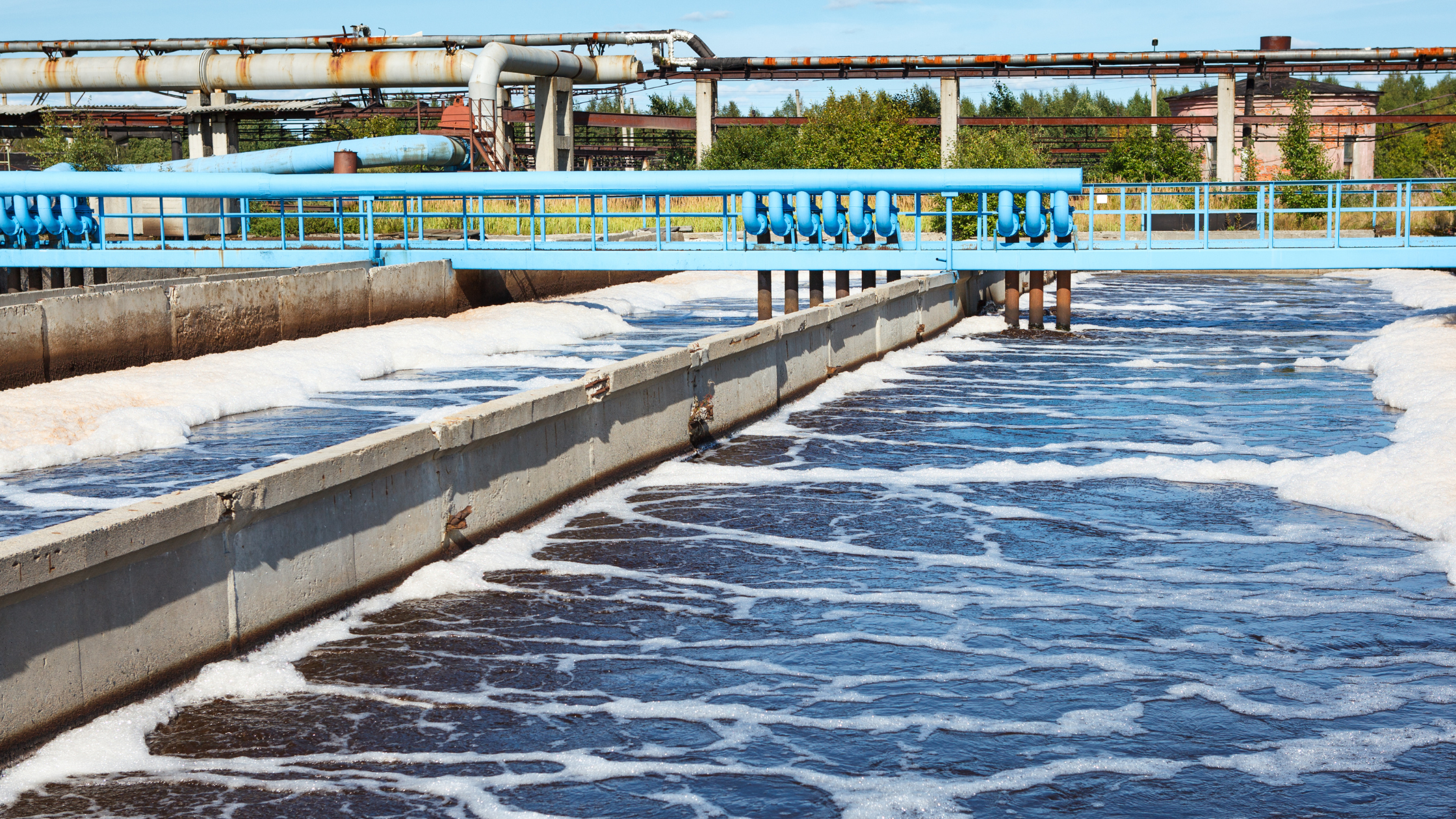
Wastewater Treatment in Quebec–Quebec has a way of putting every system to the test. The freezing nights. The quick thaws. The long stretches of wet ground that never seem to dry out. Anyone working in wastewater treatment knows the drill. You don’t just install a system here , you battle the elements with it. And that’s exactly why people keep coming back to one surprising answer: why are trickling filters still one of the most dependable choices for wastewater treatment in Quebec?
For a lot of folks, this sounds old-school. Trickling filters? Aren’t those from decades ago? Didn’t modern technology replace them?
Not exactly. Quebec’s climate has a funny way of rewarding systems that are sturdy, simple, and naturally adaptive. And when you put all that together, trickling filters suddenly look a lot more modern than most of the high-tech systems struggling to keep up.
Let’s walk through the real reasons for wastewater treatment in Quebec, the ones engineers talk about on-site, not just in textbooks.
The Climate Factor Nobody Escapes
- The Climate Factor Nobody Escapes
- Why the Trickling Filter Still Wins in Quebec Soil
- When “Old Technology” Becomes the Most Modern Solution
- The Secret Strength: Natural Adaptability
- When Quebec Projects Need Durability More Than Anything Else
- How Trickling Filters Fit With Advanced Septic Technology
- Why Quebec’s Future Still Includes Trickling Filters
Whether you’re in the Laurentides, Estrie, Chaudière-Appalaches, or rural Québec City, the climate rules everything. Those deep freezes? They’re the first big challenge. Then there’s the spring melt that dumps water into every layer of soil. Then it rains. Then it freezes again. Quebec never sits still.
That’s why wastewater treatment in Quebec demands a system that isn’t fragile. It needs one that doesn’t rely heavily on mechanical aeration, electric blowers, or delicate pumping cycles that seize up in cold conditions.
And that’s where the trickling filter steps up.
This system doesn’t stop just because the weather decides to act wild. The biofilm survives temperature swings by insulating itself deeper in the media. The airflow keeps moving even when the ground stiffens. The process continues while other systems need troubleshooting, repairs, or resets.
When the system survives the climate instead of fighting it, that’s a win.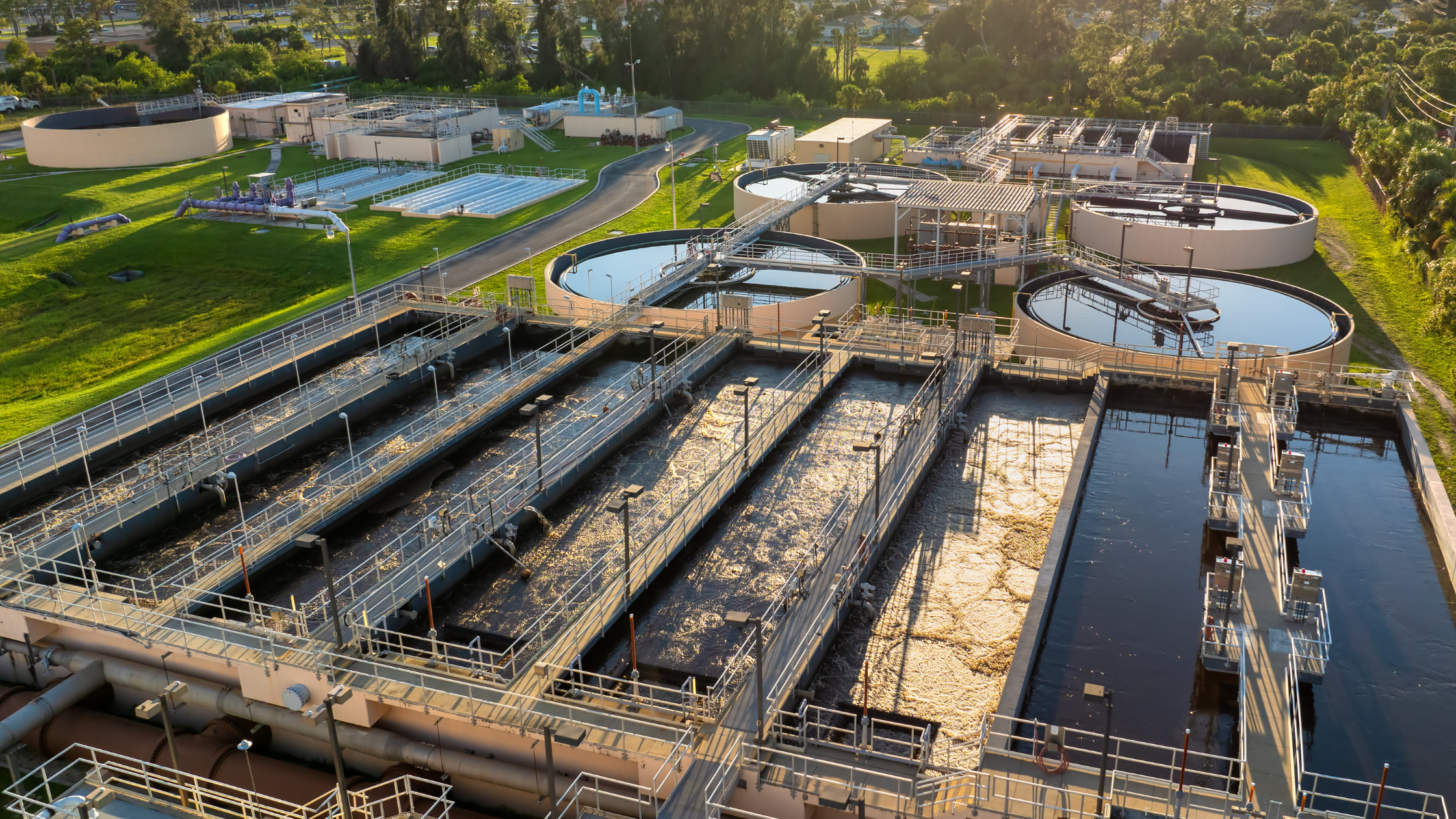
Why the Trickling Filter Still Wins in Quebec Soil
Soil variations across Quebec are another wildcard. Some lots drain beautifully. Some don’t drain at all. Some hold water for days, especially after a freeze-thaw cycle.
A trickling filter doesn’t care.
That’s the beauty of it.
Because most of the treatment happens inside the filter , not in the soil , the land isn’t carrying the full load. The effluent moving into the final dispersal area is cleaner, lighter, and easier for the soil to manage, even when the ground is oversaturated.
That’s why trickling filter wastewater treatment in Quebec pairs so well with unpredictable land. It takes pressure off the final stage.
For properties with poor drainage or sensitive ground, this can be the difference between a system that lasts 20 years and one that fails in five.
When “Old Technology” Becomes the Most Modern Solution
Here’s the irony. Trickling filters look old-school. But the newest designs? They’re engineered in a way that solves today’s biggest treatment challenges.
Modern units use structured plastic media instead of stone. They’re lighter. They’re more consistent. They produce predictable biological growth. They handle variable flows. They allow deeper oxygen penetration. And they pack a ton of treatment into a small footprint.
That’s why engineers running trickling filter wastewater treatment in Quebec, Canada keep choosing this technology. It’s not nostalgia. It’s performance.
The system works with the environment , not against it. And in Quebec, that’s what sustainability really looks like.
The Secret Strength: Natural Adaptability
Biology adapts. That’s what makes trickling filters so powerful.
When flow increases, the biofilm grows. When it slows, the biofilm shrinks. When temperatures shift, the inner layers insulate the system. When the incoming waste fluctuates, the microorganisms respond almost instantly without mechanical intervention.
That’s why wastewater trickling filters in Quebec remain stable even during seasonal surges or high-load weeks.
Compare that with systems heavily dependent on electrical components. One frozen line or one faulty motor can send everything off the rails.
Biology doesn’t glitch.
When Quebec Projects Need Durability More Than Anything Else
Engineers here talk a lot about durability. A wastewater system isn’t just a project , it’s a responsibility. If something fails, the cost, the downtime, the environmental impact, and the headaches pile up quickly.
That’s why the long-term stability of trickling filters matters so much.
A well-designed system can run for decades with simple, predictable maintenance. No high-stress repairs. No expensive replacements. No winter surprises.
That longevity is why wastewater trickling filters in Quebec, Canada remain a top pick for new builds and replacement installs alike.
How Trickling Filters Fit With Advanced Septic Technology
Today, nobody relies on trickling filters alone. They’re part of integrated systems.
A modern septic unit handles the primary separation. Then the trickling filter takes over for the secondary treatment, polishing the effluent and reducing the organic load before final dispersal.
That’s why they’re paired so often with advanced septic tank solutions in Quebec, Canada , the combo works beautifully.
It’s efficient. It’s resilient. And it stays consistent even when the conditions don’t.
In Quebec, that’s exactly what engineers need.
Why Quebec’s Future Still Includes Trickling Filters
With all the new digital monitoring tools and advanced biological systems hitting the market, it might sound strange that trickling filters continue to dominate.
But here’s the wastewater treatment in Quebec nuance:
Quebec doesn’t need the flashiest technology.
Quebec needs the most dependable technology.
And for all the reasons above, climate, soil variability, durability, natural biological response , trickling filters still check all the boxes.
That’s why wastewater treatment in Quebec isn’t moving away from trickling filters. It’s using even better versions of them.
When a system works with your environment instead of fighting against it, you keep it. And you keep improving it.
If your septic system is always causing problems, it might be time to call SeptiTech.
They’ve got something called the STAAR® system that just works. You won’t need to keep checking on it or worry about constant upkeep.
It’s made to handle the heavy lifting without you even thinking about it. Whether it’s for your home or a bigger property, they know how to set up a system that fits what you need. Give them a call at 207.333.6940 or fill out a form here. See how they can make things simpler for you.



 (207) 333-6940