Wastewater treatment in Vermont tends to stay out of sight until something forces your attention. A system backs up, water quality becomes a concern, or regulations start tightening. That’s usually when people begin looking into how treatment works, and what options hold up long term.
One system that comes up often across Vermont is trickling filter treatment. It’s been around for a long time, but there’s a reason it hasn’t gone away. It handles changing conditions well, and it doesn’t rely on constant oversight to keep doing its job.
What Is Trickling Filter Wastewater Treatment in Vermont?
- What Is Trickling Filter Wastewater Treatment in Vermont?
- Why This System Fits Vermont Conditions
- How the Treatment Process Actually Works
- Why Biology Does the Heavy Lifting
- When Nitrogen Removal Becomes Necessary
- Maintenance: What It Really Looks Like
- When a Trickling Filter Makes Sense
- Looking at Cost vs. Long-Term Performance
- How It Compares to Other Systems
- Why Wastewater Treatment Matters More Than You Think
- FAQs
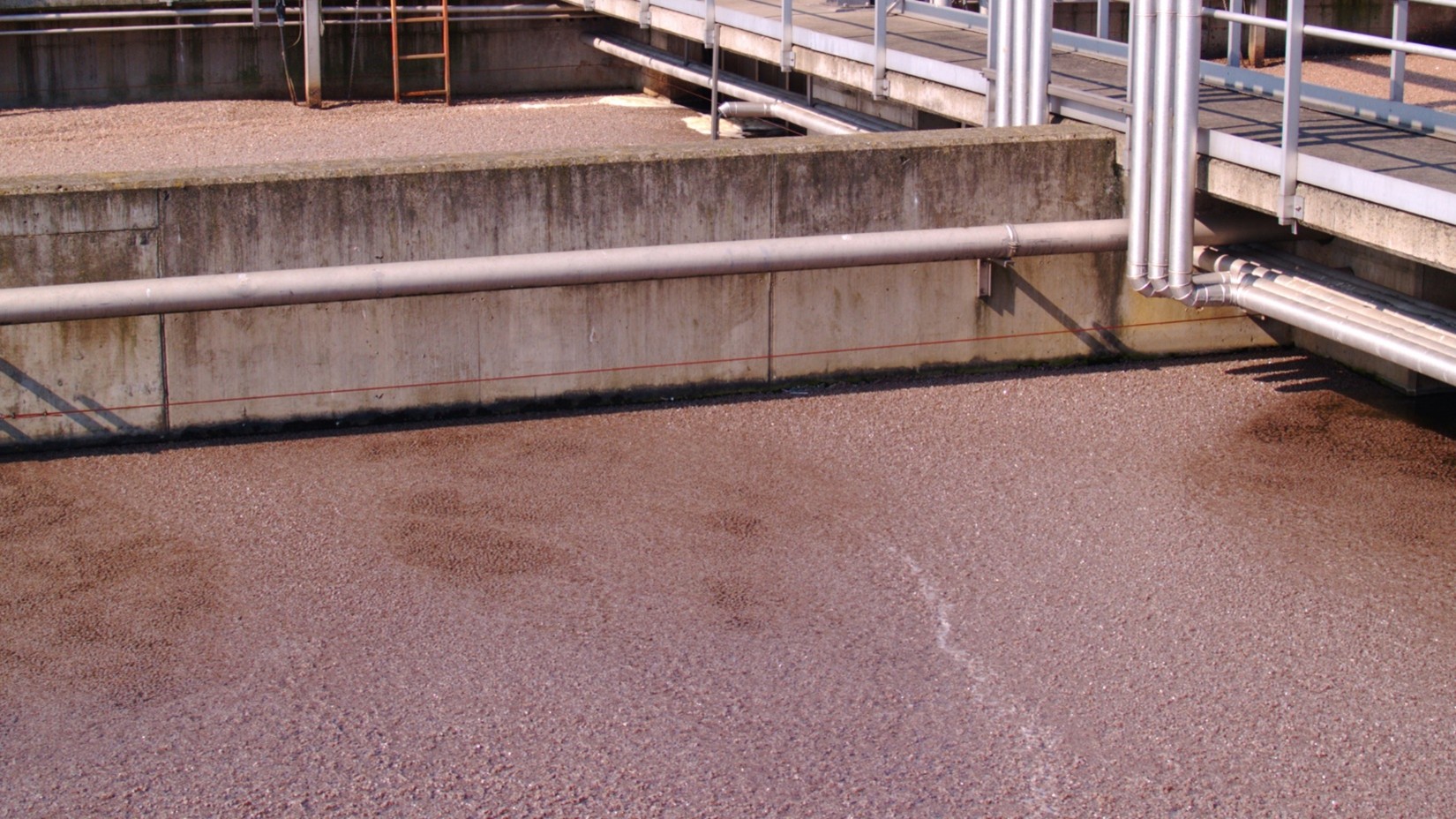
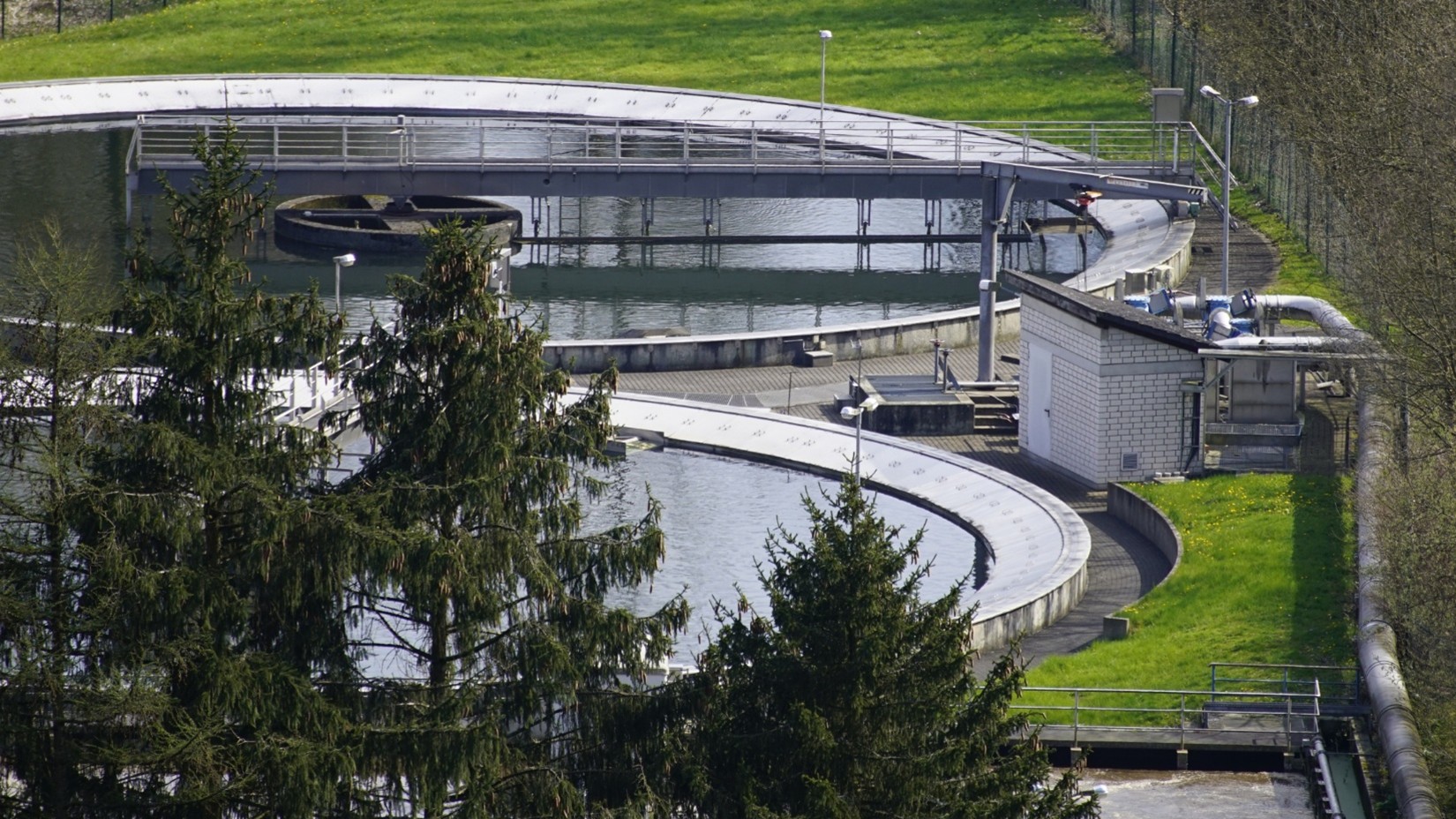
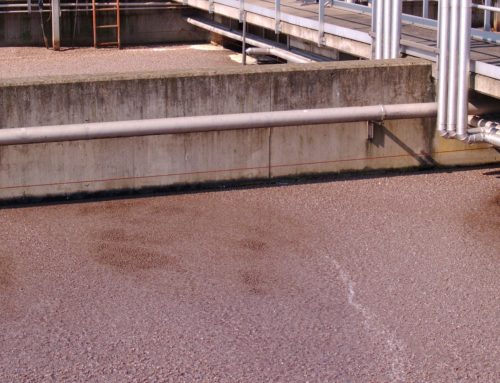
Trickling filter wastewater treatment in Vermont is built around a simple process. Wastewater flows over a bed of media designed to support bacterial growth. That media might look like rock or structured plastic, but its purpose is the same, to create surface area. As water passes over it, bacteria break down organic material. That’s the core of the system.
There’s no complicated sequence to follow. The process repeats as water cycles through, gradually improving quality. It’s steady and predictable, which is why it’s still used in both residential and small commercial setups.
Why This System Fits Vermont Conditions
Vermont properties aren’t all the same. Some are year-round homes. Others are seasonal. Some sit near lakes or streams where environmental impact matters more. That variety creates challenges for wastewater systems.
Trickling filters tend to adjust better than many alternatives. They can handle inconsistent usage without losing effectiveness. If a property sits unused and then suddenly sees heavy demand, the system doesn’t need to be restarted or recalibrated.
They also perform reliably in colder weather. The biological layer that forms on the media helps maintain activity even when temperatures drop. That’s part of why people exploring advanced septic tank solutions in Vermont often consider this approach.
How the Treatment Process Actually Works
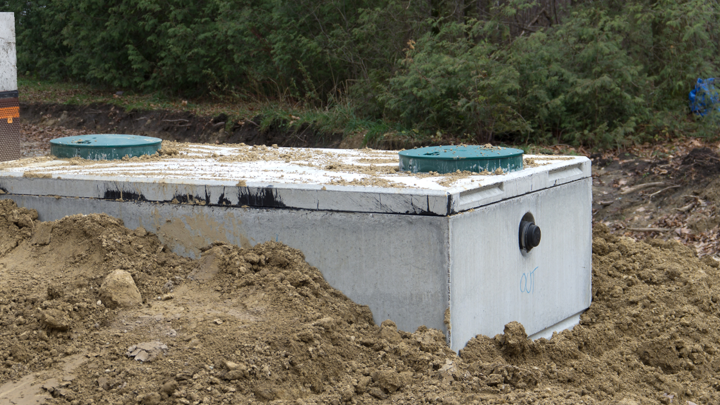
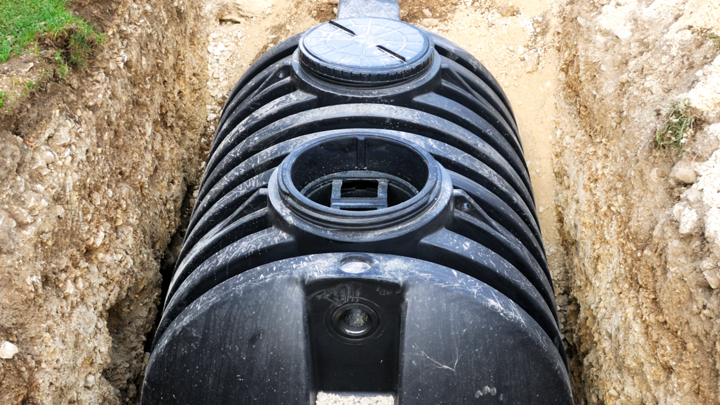
The system operates in stages, even if it doesn’t feel complicated from the outside. First, wastewater enters a primary tank where solids settle. After that, the liquid portion moves into the trickling filter.
From there, distribution arms or dosing systems spread water across the media. As it trickles downward, bacteria begin breaking down contaminants.
What makes wastewater trickling filters in Vermont effective is repetition. Water can pass through the system more than once, improving treatment each cycle. By the time it leaves the filter stage, the water is significantly cleaner and ready for the next step.
Why Biology Does the Heavy Lifting
This type of wastewater treatment in Vermont system depends more on natural processes than mechanical ones. Bacteria attach themselves to the media and form a thin layer. They feed on organic waste in the water. As that layer grows, parts of it naturally shed off, making room for new growth.
It’s a self-renewing cycle. That’s why systems like this don’t require constant part replacements. The focus is on maintaining conditions that allow biology to keep working.
When Nitrogen Removal Becomes Necessary
Some Vermont properties require additional treatment beyond basic organic breakdown. Nitrogen levels can become a concern, especially near sensitive water sources. That’s where wastewater denitrification in Vermont comes into play.
Trickling filters can be paired with denitrification processes instead of replacing them. One handles organic material, while the other targets nitrogen. This combination helps systems meet stricter discharge standards without adding unnecessary complexity.
Maintenance: What It Really Looks Like
These systems are often described as low-maintenance. That’s mostly accurate, but it doesn’t mean no maintenance. Routine checks still matter.
Distribution systems need to stay clear. Pumps should be inspected. The media should remain free of buildup that could block flow.
The difference is that maintenance tends to be predictable. You’re not constantly reacting to failures. You’re preventing them. Neglect is usually what leads to problems, not the system itself.
When a Trickling Filter Makes Sense
There are certain situations where this type of system tends to be a strong fit:
- Properties with seasonal or inconsistent use
- Sites near lakes, rivers, or sensitive areas
- Older systems being upgraded
- Locations where long-term reliability matters
If you’re already researching trickling filter wastewater treatment in Vermont, chances are one of these applies to your property.
Looking at Cost vs. Long-Term Performance
Initial installation costs can be higher than a basic setup. That’s often the first hesitation. But long-term performance changes the equation.
Systems that run consistently tend to avoid emergency repairs and costly failures. Over time, that stability can make a noticeable difference. It becomes less about upfront savings and more about avoiding ongoing issues.
How It Compares to Other Systems
There are several wastewater treatment options available. Some rely heavily on aeration. Others use more advanced filtration methods. Trickling filters fall somewhere in between.
They offer more wastewater treatment in Vermont capability than basic septic systems without requiring the same level of mechanical oversight as more complex technologies. That balance is what keeps them relevant across a wide range of properties.
Why Wastewater Treatment Matters More Than You Think
It’s easy to ignore something you don’t see every day. But when a system fails, it affects more than one property. Groundwater, nearby ecosystems, and even neighboring homes can be impacted.
That’s why wastewater treatment in Vermont is taken seriously, especially in areas where environmental protection is a priority.
Choosing a system that performs consistently isn’t just about convenience. It’s about avoiding bigger problems later.
FAQs
How long do trickling filter systems last in Vermont?
They can last decades with proper maintenance. The media itself holds up well over time, and most components are built for long-term use.
Is Trickling Filter Wastewater Treatment in Vermont suitable for seasonal homes?
Yes, it’s often a good fit. These systems handle fluctuating usage better than many alternatives, which makes them practical for properties that aren’t occupied year-round.
Does Trickling Filter Wastewater Treatment in Vermont require frequent servicing?
Not usually. Most systems follow a routine inspection schedule. As long as maintenance isn’t ignored, unexpected issues are less common.
Ready to get started? Reach out to us online at SeptiTech Give us a call at 207-333-6940.If your septic system is always causing problems, it might be time to call. They’ve got something called the STAAR® system that just works. You won’t need to keep checking on it or worry about constant upkeep.

It’s made to handle the heavy lifting without you even thinking about it. Whether it’s for your home or a bigger property, they know how to set up a system that fits what you need. See how they can make things simpler for you.


 (207) 333-6940