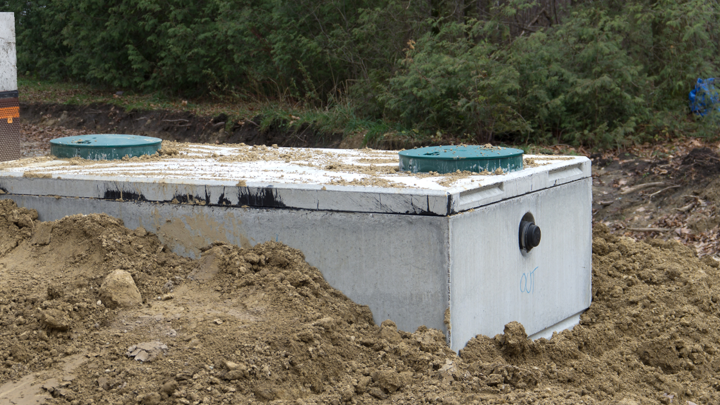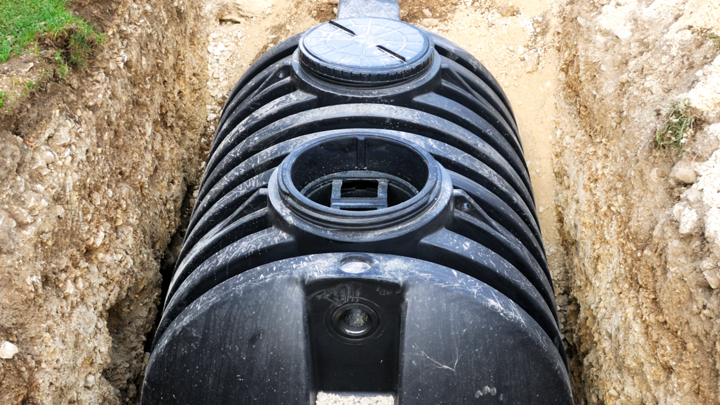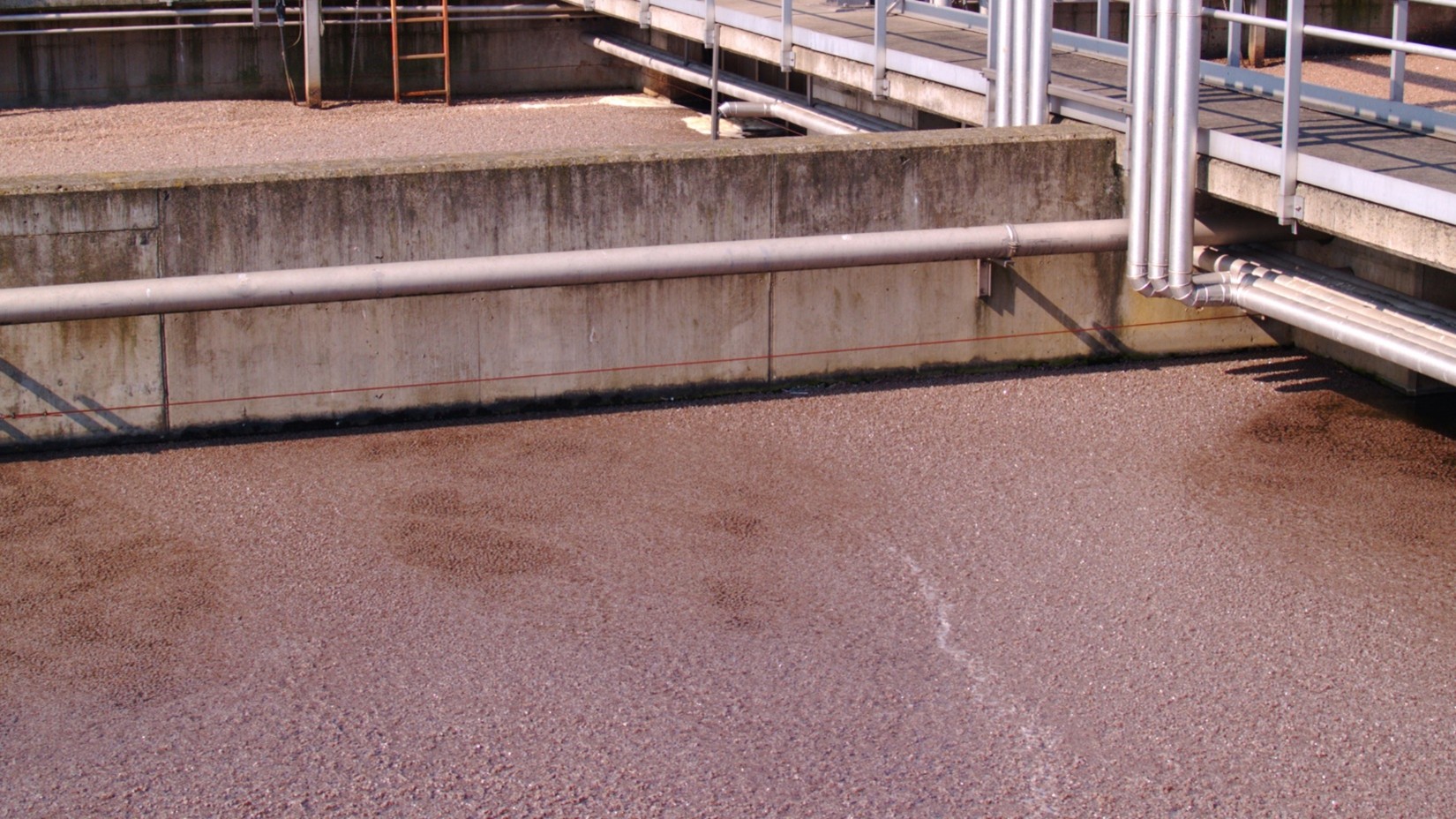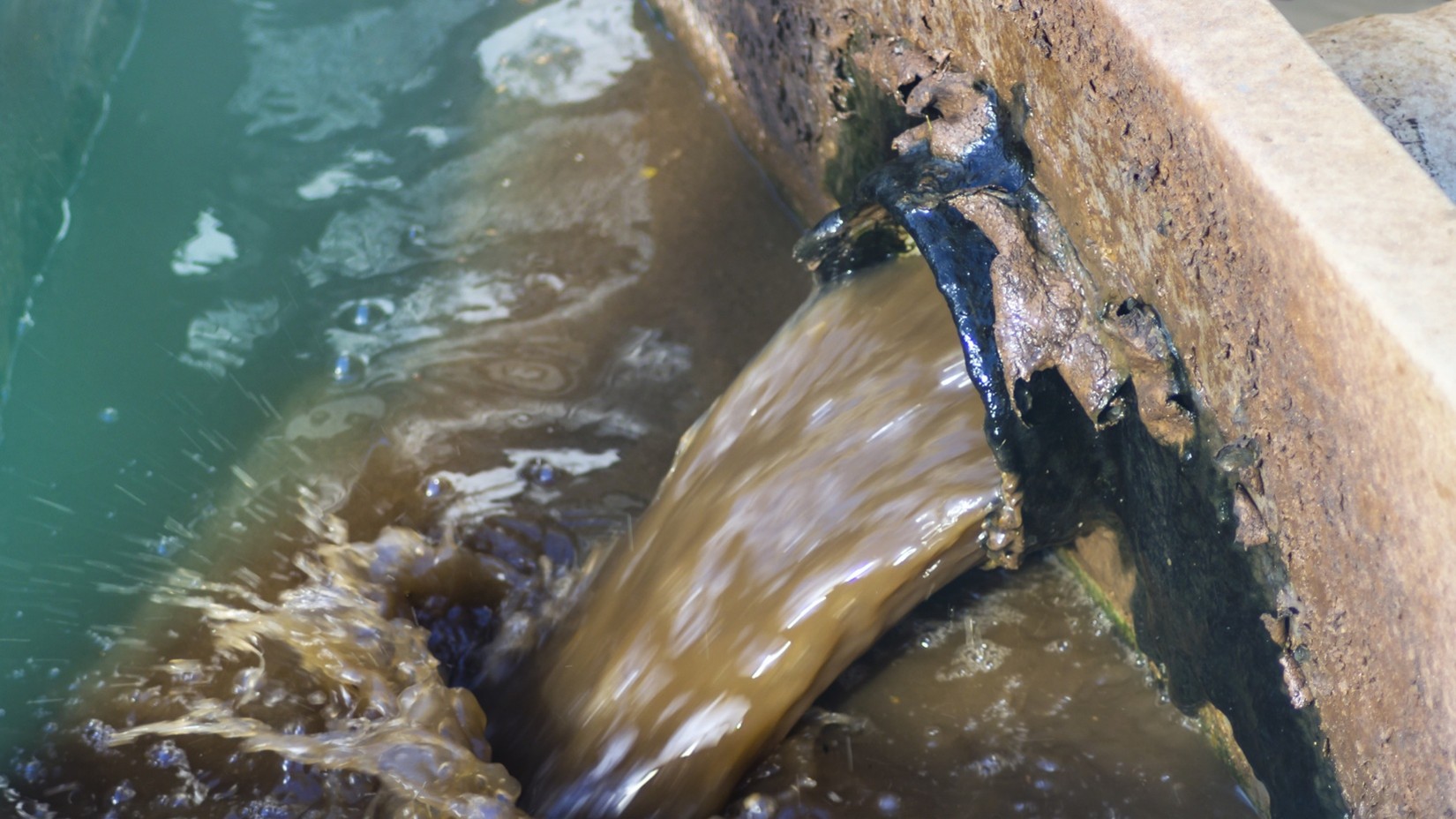
Wastewater treatment in New Hampshire is usually something people don’t think about until there’s a problem. A slow drain, a smell that wasn’t there before, or a system that just isn’t keeping up. That’s when the questions start. One of the most common is how modern systems treat wastewater without constant intervention.
Trickling filter systems come up a lot in those conversations, especially in New Hampshire where conditions can vary from one property to the next.
What Is Trickling Filter Wastewater Treatment in New Hampshire?
- What Is Trickling Filter Wastewater Treatment in New Hampshire?
- Why This Approach Fits New Hampshire Properties
- How the System Actually Treats Wastewater
- The Role of Bacteria (And Why It Matters)
- Where Denitrification Comes Into Play
- Maintenance: What You Can Expect
- When This Type of System Makes Sense
- Cost vs. Reliability
- How It Compares to Other Systems
- Why Wastewater Treatment Matters More Than People Think
- FAQs
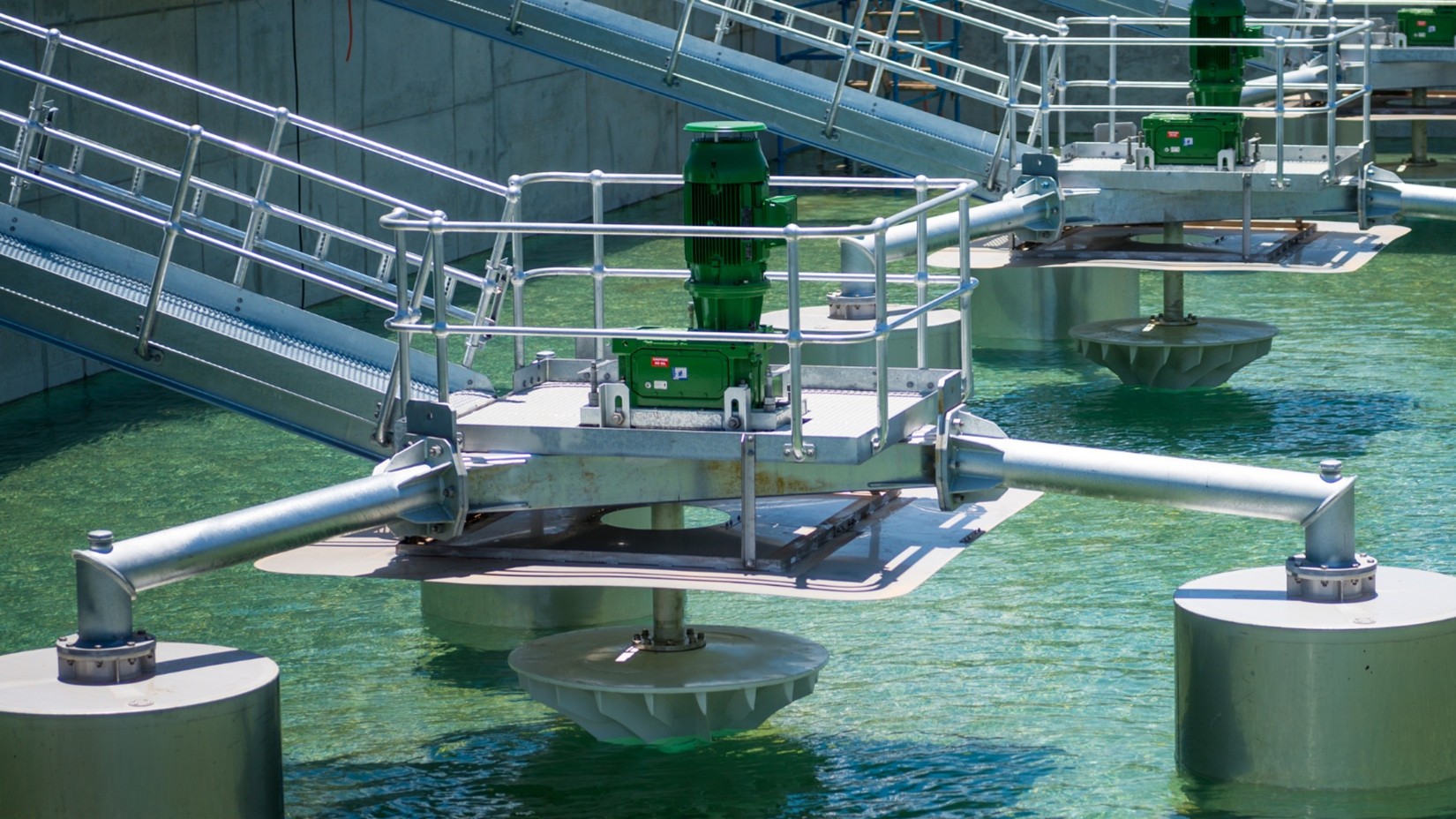
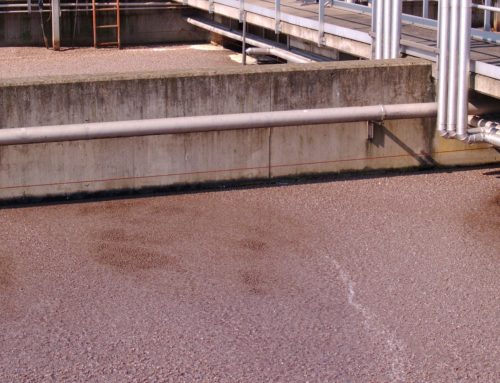
Trickling filter wastewater treatment in New Hampshire works by using a simple idea that’s been refined over time. Wastewater is spread across a surface filled with media. That media gives bacteria a place to live.
As water moves across that surface, the bacteria break down organic material. It’s a steady process. No harsh chemicals. No complicated steps happening behind the scenes.
The system keeps cycling water through until it reaches a cleaner state. That’s why it’s still widely used. It’s consistent, and it doesn’t rely on constant adjustments.
Why This Approach Fits New Hampshire Properties
New Hampshire isn’t one-size-fits-all when it comes to wastewater. Some properties are used year-round. Others sit empty for weeks and then suddenly see heavy use. That kind of fluctuation can cause problems for certain systems. Trickling filters tend to handle it better.
They also perform well in colder conditions. The biological layer that forms on the media helps protect the treatment process even when temperatures drop. That makes a difference in a place where winters are long.
When people start researching advanced septic tank solutions in New Hampshire, this is often one of the options they run into for that reason.
How the System Actually Treats Wastewater
It helps to picture the process in stages. First, wastewater goes through a primary step where solids settle out. After that, the liquid moves into the trickling filter.
Inside the filter, water is distributed evenly across the media. As it moves downward, bacteria attached to the surface begin breaking down contaminants.
What makes wastewater trickling filters in New Hampshire effective is that this process repeats. Water can pass through multiple times, improving quality each round. Eventually, the treated water moves on for final handling or discharge.
The Role of Bacteria (And Why It Matters)
This system depends on biology more than machinery. Bacteria naturally grow on the filter media. They form a thin layer and feed on the waste in the water. As they grow, older layers shed off and are carried away, making room for new growth.
It’s a cycle that keeps renewing itself. That’s one reason these systems don’t require constant replacement parts. You’re supporting a living process rather than forcing treatment through mechanical steps.
Where Denitrification Comes Into Play
Some properties need more than basic treatment. Nitrogen removal can become a requirement, especially near sensitive water sources. That’s where wastewater denitrification in New Hampshire may be added to the system.
Trickling filters can work alongside these processes instead of replacing them. The filter handles organic breakdown, while denitrification targets nitrogen levels.
This combined approach helps systems meet stricter environmental expectations without overcomplicating the setup.
Maintenance: What You Can Expect
These systems are often described as low-maintenance, which is true to a point. They still need attention. Distribution arms need to stay clear. Pumps should be checked. The media shouldn’t clog or become overloaded.
Most maintenance is routine rather than reactive. That’s the difference. You’re not constantly fixing issues, but you do need to keep an eye on performance. When maintenance is ignored, even a well-designed system can run into trouble.
When This Type of System Makes Sense
Not every property needs a trickling filter. But certain situations tend to point in that direction:
- Properties with changing occupancy
- Locations with environmental discharge limits
- Older systems being upgraded
- Sites where reliability matters more than short-term savings
If you’re already looking into trickling filter wastewater treatment in New Hampshire, there’s a good chance one of these applies.
Cost vs. Reliability
Installation costs can be higher than basic septic systems. That’s usually the first concern people bring up. What changes the conversation is long-term performance.
Systems that run consistently tend to avoid emergency repairs and unexpected failures. Over time, that stability can offset the initial cost. It’s less about the cheapest option upfront and more about avoiding bigger problems later.
How It Compares to Other Systems
There are several treatment options available. Some rely heavily on aeration. Others use advanced filtration or membranes. Trickling filters sit somewhere in between.
They’re more advanced than traditional septic systems but don’t require the same level of mechanical oversight as more complex setups. That balance is why they continue to be used in a wide range of applications.
Why Wastewater Treatment Matters More Than People Think
Most systems stay out of sight, which makes them easy to ignore. But when they fail, the impact goes beyond the property. Groundwater, nearby ecosystems, and even neighboring properties can be affected.
That’s why wastewater treatment in New Hampshire is taken seriously, especially in areas with environmental sensitivity.
Choosing a system that holds up over time isn’t just about convenience. It’s about preventing bigger issues down the road.
FAQs
How often does a trickling filter system need maintenance?
Usually once or twice a year for inspections. Some properties may need more frequent checks depending on usage, but most follow a predictable schedule.
Does Trickling Filter Wastewater Treatment in New Hampshire work for small residential properties?
Yes, it can. Many residential systems use this approach, especially when standard septic setups aren’t enough to meet site or environmental requirements.
Is Trickling Filter Wastewater Treatment in New Hampshire expensive to run?
Not typically. Operating costs are often lower than more mechanical systems since it relies more on natural biological processes than constant equipment use.
Ready to get started? Reach out to us online at SeptiTech Give us a call at 207-333-6940.If your septic system is always causing problems, it might be time to call. They’ve got something called the STAAR® system that just works. You won’t need to keep checking on it or worry about constant upkeep.

It’s made to handle the heavy lifting without you even thinking about it. Whether it’s for your home or a bigger property, they know how to set up a system that fits what you need. See how they can make things simpler for you.


 (207) 333-6940