If you build or own property in Vermont, wastewater is never just a box to check.
Shallow soils. Sloped lots. Proximity to lakes and streams. Strict environmental oversight. All of it affects what kind of system can actually function long term. That is why more property owners are looking closely at wastewater treatment in Vermont before they finalize plans.
A traditional septic tank only separates solids from liquids. It does not fully treat wastewater. The drainfield finishes the job. But when soil depth is limited or groundwater is high, that final step carries more pressure than it should.
Over time, that pressure shows up.
Why Soil and Water Conditions Matter in Vermont
- Why Soil and Water Conditions Matter in Vermont
- Nutrient Control Is Not Optional
- What Makes Advanced Systems Different
- Upgrading Older Systems Across the State
- Where wastewater trickling filters in Vermont Fit
- Planning Early Prevents Costly Redesign
- Reliability Over Assumptions
- FAQ: wastewater treatment in Vermont
Vermont terrain is not uniform. Some areas offer workable soil. Others hit ledge quickly. Many properties sit near sensitive waterways that require tighter nutrient control.
These conditions change the conversation around wastewater treatment in Vermont. A system that might function adequately in one location can struggle in another just a few miles away.
That is why advanced treatment systems are often part of the discussion.
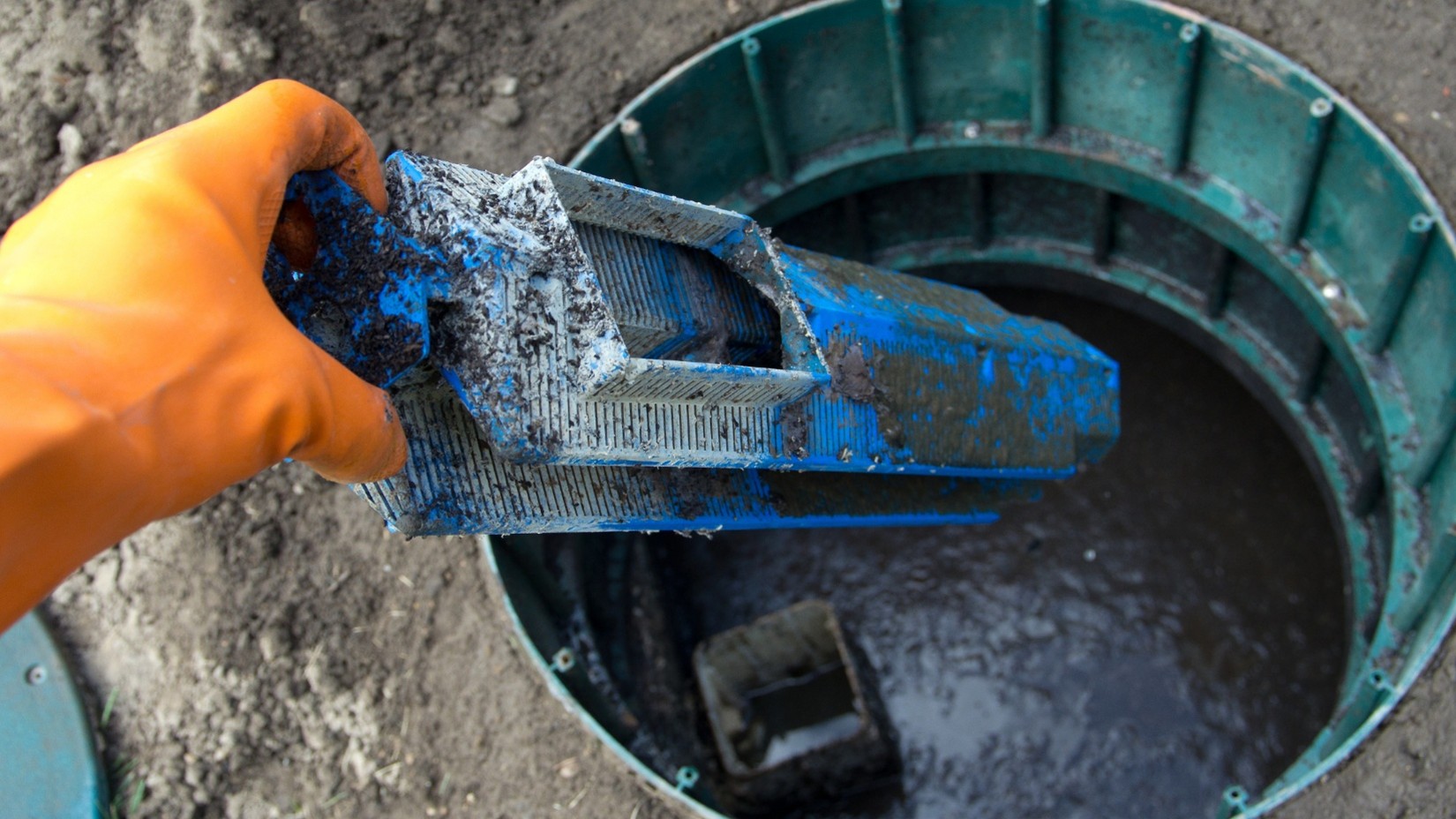
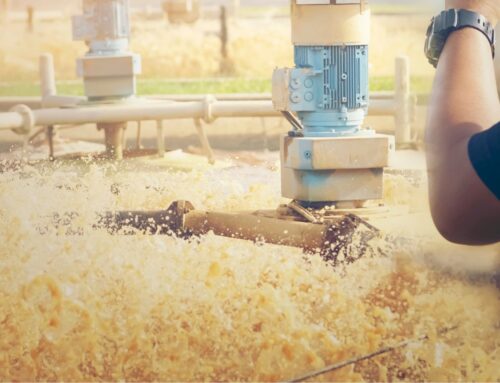
Systems such as trickling filter wastewater treatment in Vermont introduce biological treatment before effluent reaches the soil. Wastewater passes over a media surface where bacteria break down contaminants in a controlled chamber.
The soil still plays a role. It just does not carry the entire burden.
Nutrient Control Is Not Optional
Vermont places strong emphasis on water quality. Nitrogen and phosphorus loading affect lakes, rivers, and groundwater. That reality influences system approvals.
For many sites, wastewater denitrification in Vermont becomes part of the design. Denitrification reduces nitrogen levels before discharge. That protects nearby water resources and helps properties meet permit requirements.
This is one reason wastewater treatment in Vermont often involves more than a simple tank and pipe layout. Modern expectations require measurable treatment performance.
What Makes Advanced Systems Different
Advanced systems are built around process control. Instead of depending entirely on native soil conditions, treatment occurs inside contained chambers.
With trickling filter systems, wastewater is evenly distributed over engineered media. Air circulates through the chamber. Microorganisms attach to the media and digest organic material as wastewater moves through.
The result is cleaner effluent before dispersal.
For many properties, this makes approval more straightforward. It also reduces stress on the drainfield, which supports longer system life.
When reviewing options for wastewater treatment in Vermont, that added layer of protection is often what tips the decision.
Upgrading Older Systems Across the State
A large number of Vermont homes rely on systems installed decades ago. Usage patterns have changed. Seasonal homes become year-round residences. Household size increases. Water use rises.
Older systems were not always designed with current environmental standards in mind.
In these cases, property owners turn to advanced septic tank solutions in Vermont when replacement becomes necessary. Advanced treatment can allow for smaller footprints and better nutrient reduction compared to conventional systems.
Upgrades are not only about compliance. They are about long-term reliability.
Where wastewater trickling filters in Vermont Fit
Not every property requires advanced treatment. Some lots have ideal soil depth and separation distances.
But many do not.
That is where wastewater trickling filters in Vermont are frequently used. They offer consistent biological treatment that does not fluctuate based solely on soil variability.
For sites near water bodies or with limited usable area, that consistency provides reassurance during design and review.
It is not about overengineering. It is about matching the system to the land.
Planning Early Prevents Costly Redesign
For septic and wastewater solutions in Vermont, design should happen before finalizing building placement. Too often, the house layout comes first. Wastewater comes later.
Then test pits reveal constraints. Setbacks reduce available area. Elevation differences complicate flow.
At that point, redesign costs time and money.
When engineers evaluate wastewater treatment at the beginning of the process, they can determine whether a conventional layout works or whether enhanced treatment is required. That upfront planning keeps projects on schedule.
It also reduces surprises during permitting.
Reliability Over Assumptions
Wastewater systems are buried and largely forgotten once installed. That is how they should operate.
But performance depends on design decisions made early.
Advanced systems using biological treatment steps create predictable conditions inside the treatment unit. That predictability supports consistent effluent quality regardless of seasonal soil changes.
For many Vermont properties, reliability is the difference between a system that passes inspection and one that performs year after year.
When you step back, the goal of wastewater treatment — steady performance that protects both property and environment.
FAQ: wastewater treatment in Vermont
Do all properties in Vermont require advanced treatment systems?
No. Site conditions determine the requirement. Soil depth, groundwater levels, and proximity to water bodies influence design.
Is trickling filter treatment only for commercial sites?
No. Residential properties use these systems when conventional septic layouts are not sufficient.
Does advanced treatment increase maintenance?
Regular service is part of any system, but properly designed advanced systems are built for long-term operation with routine oversight.
Ready to get started? Reach out to us online at SeptiTech Give us a call at 207-333-6940.If your septic system is always causing problems, it might be time to call. They’ve got something called the STAAR® system that just works. You won’t need to keep checking on it or worry about constant upkeep.

It’s made to handle the heavy lifting without you even thinking about it. Whether it’s for your home or a bigger property, they know how to set up a system that fits what you need. See how they can make things simpler for you.


 (207) 333-6940