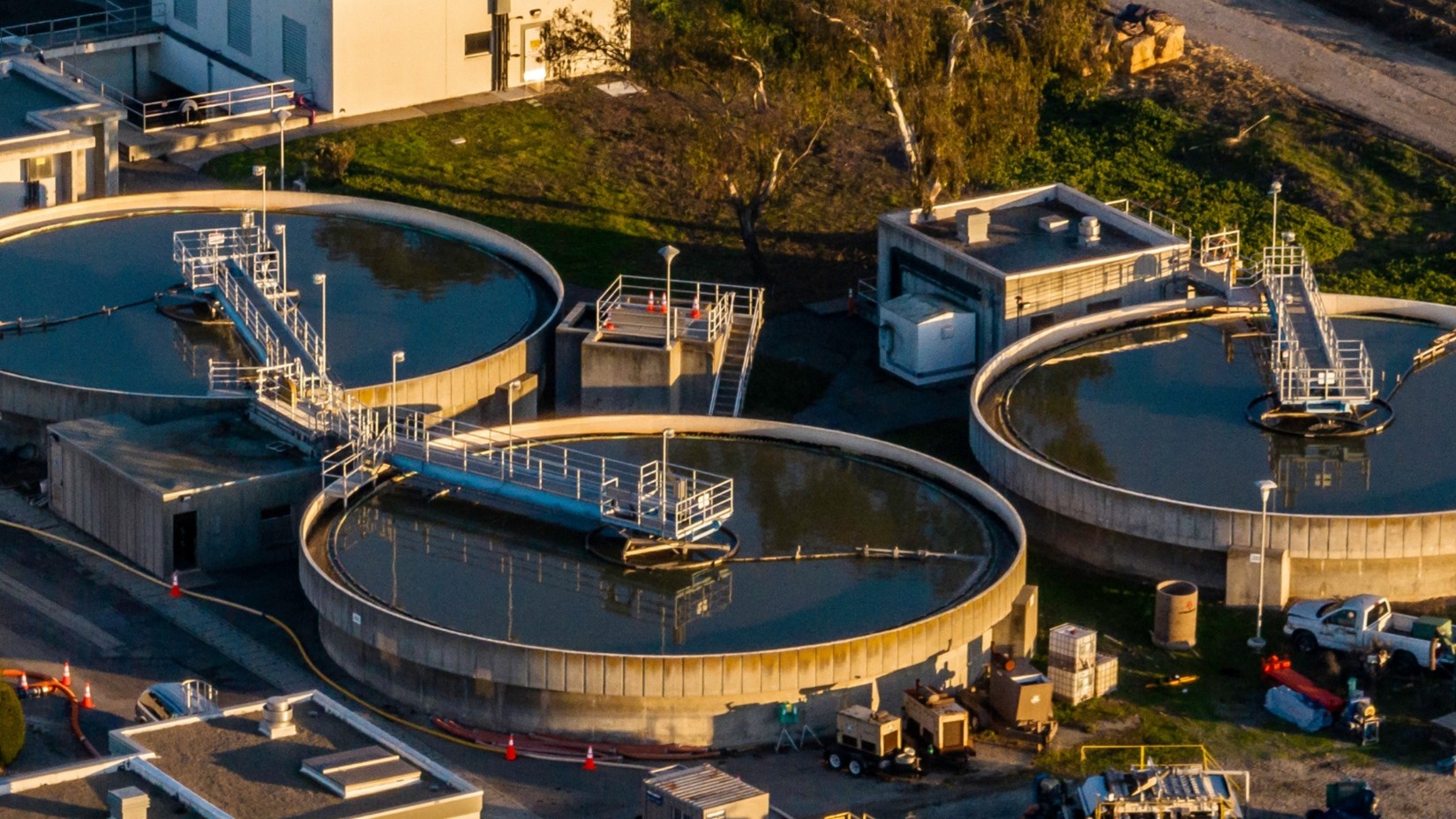
Wastewater systems in Vermont don’t get an easy ride. Not with the cold snaps. Not with the deep freeze. Not with the spring thaws that turn everything into a slush pile. Every winter, the soil fights back. And every spring, the groundwater reminds y’all who’s in charge. That’s why more engineers have stopped asking whether trickling filters are still relevant and instead started asking a better question: why are they becoming one of the most reliable choices for wastewater treatment in Vermont?
The answer cuts through all the shiny marketing around modern systems. Vermont’s climate rewards the systems that can survive it. And trickling filters survive what most other systems can’t.
Let’s walk through the real reasons the province keeps circling back to this technology, and why that trend isn’t slowing any time soon.
Vermont’s Climate Doesn’t Play By the Rules
- Vermont’s Climate Doesn’t Play By the Rules
- When Soil Conditions Turn Chaotic, Trickling Filters Stay Steady
- Why the Filtration Process Still Beats High-Tech Alternatives
- A System That Works with the Environment Instead of Fighting It
- Where Trickling Filters Fit Into Modern Treatment Systems
- When Vermont’s Regulations Tighten, Trickling Filters Step Up
- Vermont’s Future Still Includes Trickling Filters, and the Data Backs It Up
When wastewater treatment in Vermont specialists talk about system failure, they’re usually talking about temperature swings, saturation, and long periods where nothing drains the way it should. That’s Vermont’s entire personality.
Most mechanical systems rely on consistent temperatures for biological activity. They rely on stable ground conditions. They rely on aeration equipment that doesn’t freeze or lose pressure. Vermont doesn’t offer that stability. But trickling filters don’t rely on any of that.
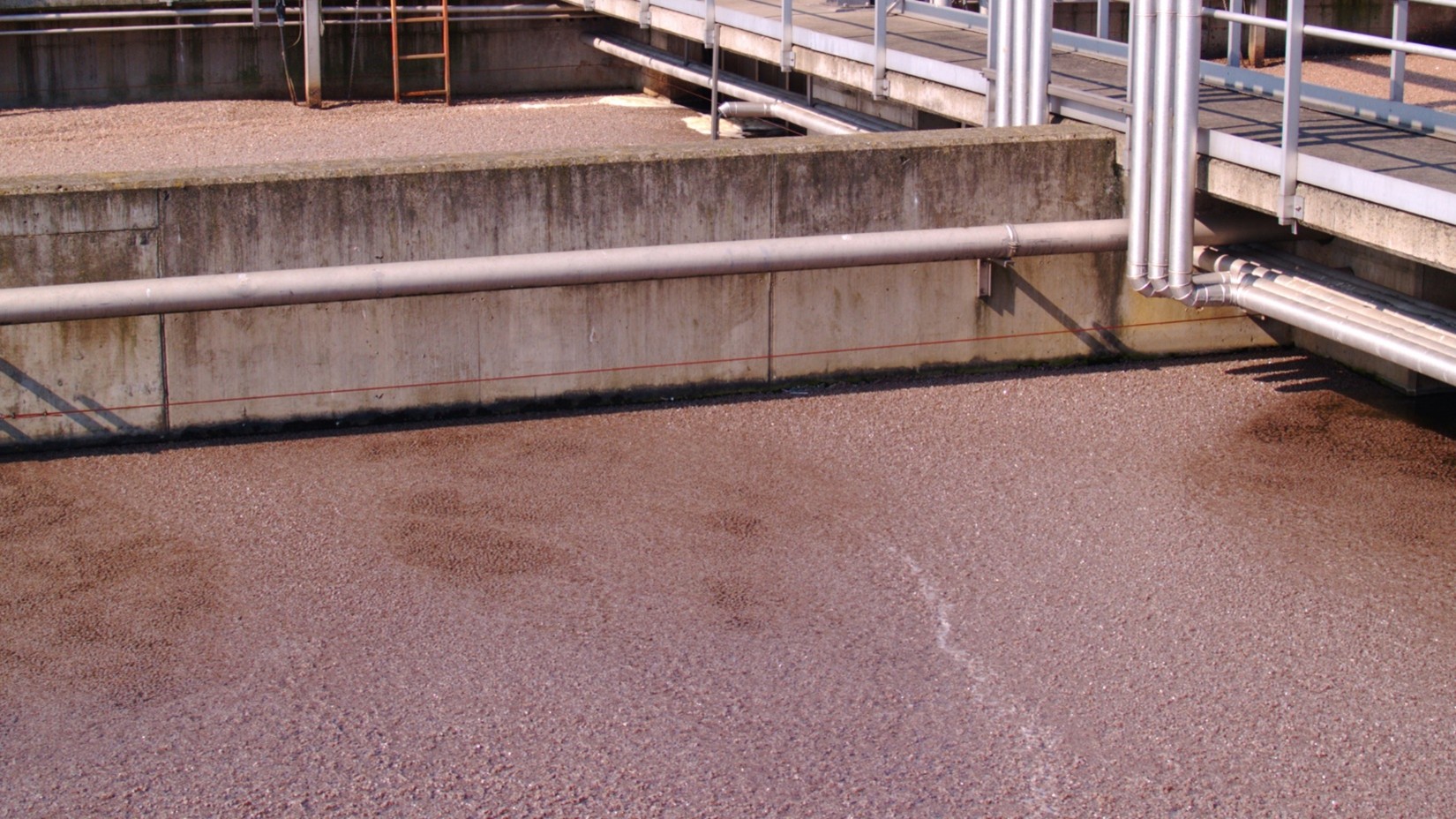
The biology inside them doesn’t stop when the temperature drops. The deeper layers of the biofilm stay alive even in the coldest stretches of January. And when spring arrives, the system picks up speed without needing recalibration or mechanical tuning.
This is the quiet advantage behind wastewater denitrification in Vermont the system works even when the weather is working against it.
When Soil Conditions Turn Chaotic, Trickling Filters Stay Steady
Ask any installer in Vermont about the soil, and the answer is always the same, unpredictable.
Sometimes it drains beautifully. Sometimes it holds water for days. Sometimes it acts like permafrost three inches down even after the thaw. Soil inconsistency is one of the most common reasons systems clogs, back up, or fail prematurely. That’s why the treatment process upstream matters so much.
When trickling filters polish the wastewater before it reaches the soil, everything downstream becomes easier, cleaner, and more stable. That’s the foundation behind wastewater trickling filters in Vermont, , reducing the stress on the drain field so the soil doesn’t have to work beyond its natural limits.
This isn’t theory. It’s field experience. And it’s the number one reason engineers keep specifying trickling filters on sites where the soil is unpredictable or saturated for half the year.
Why the Filtration Process Still Beats High-Tech Alternatives
Newer technologies often depend on mechanical aeration or electrical components to maintain biological performance. These systems are powerful, no doubt, but they also have weak points. Pumps freeze. Blowers clog. Valves seize. Electrical components shut down when the temperature takes a dive.
Trickling filters don’t have those vulnerabilities.
They rely on simple distribution and natural airflow, which is why trickling filter wastewater treatment in Vermont stays stable through harsh winter cycles.
There’s a reason wastewater professionals trust biology over machinery. Biology adapts. Machinery doesn’t.
A biofilm adjusts to flow changes. A biofilm adjusts to temperature shifts. A biofilm can survive where a mechanical system would stall or short out.
And that adaptability is worth everything in a climate like Vermont’s.
A System That Works with the Environment Instead of Fighting It
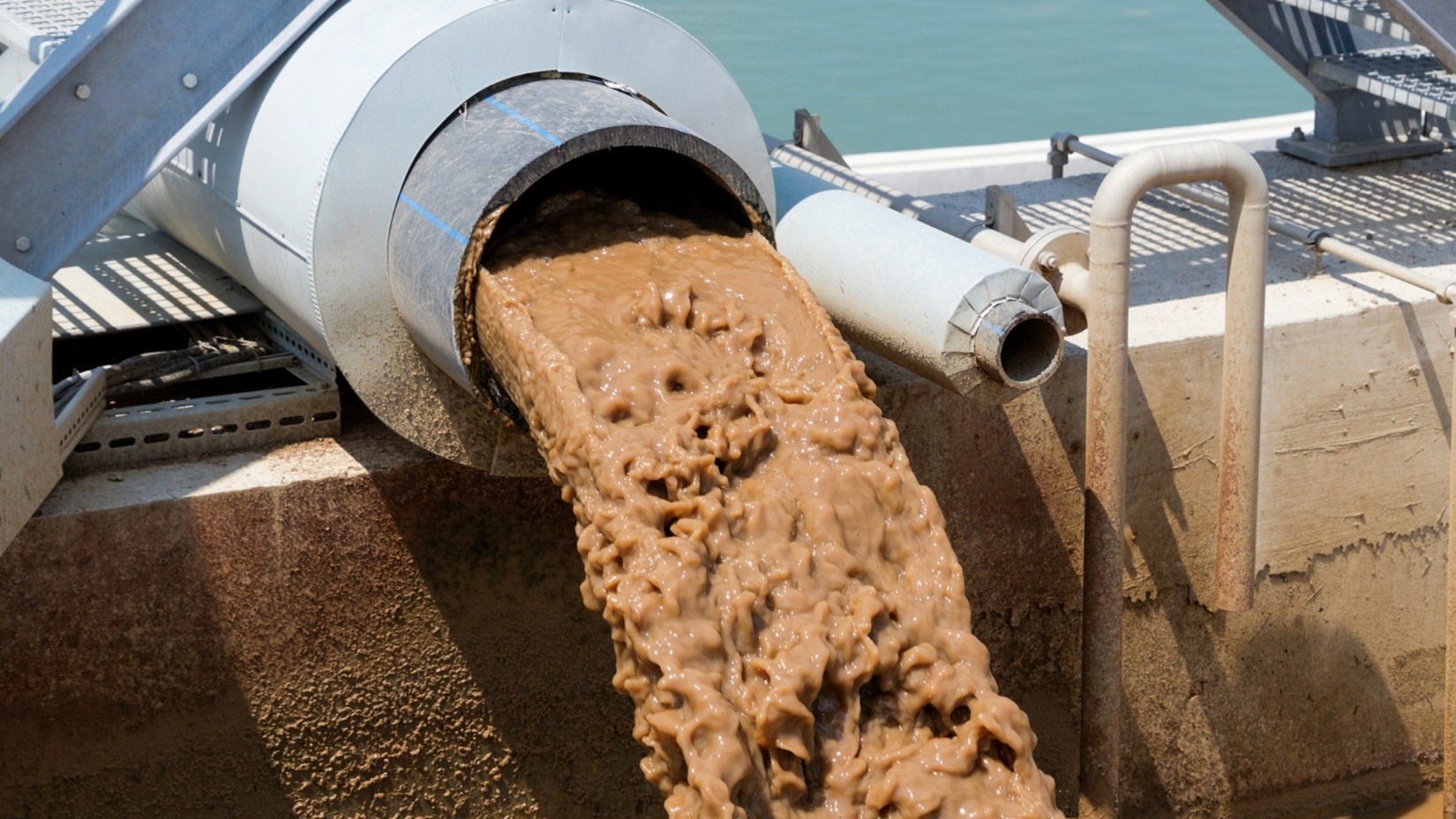
Engineers in Vermont don’t choose trickling filters because they look simply. They choose them because they work with the land. They use gravity. They use airflow. They use naturally occurring microorganisms. They aren’t fighting billion-year-old biology, they’re leveraging it.
That’s why wastewater trickling filters in Vermont consistently outperform more complex systems during winter disruptions, spring overflows, and heavy rainfall cycles.
Sustainability isn’t only about environmental friendliness. It’s about building a system that doesn’t collapse under real-world conditions. And in that category, trickling filters win every single year.
Where Trickling Filters Fit Into Modern Treatment Systems
People sometimes assume trickling filters are a standalone solution, but they aren’t. They’re part of integrated systems designed to meet today’s stricter environmental standards.
A modern septic setup separates solids, settles out waste, and prepares the flow. Then the trickling filter takes over to handle polishing, oxygenation, and final breakdown.
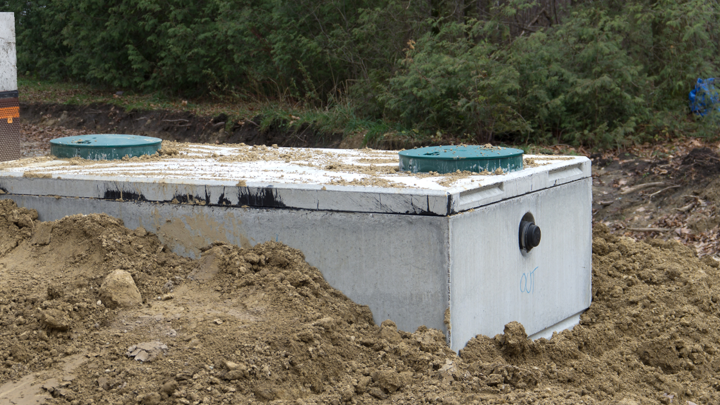
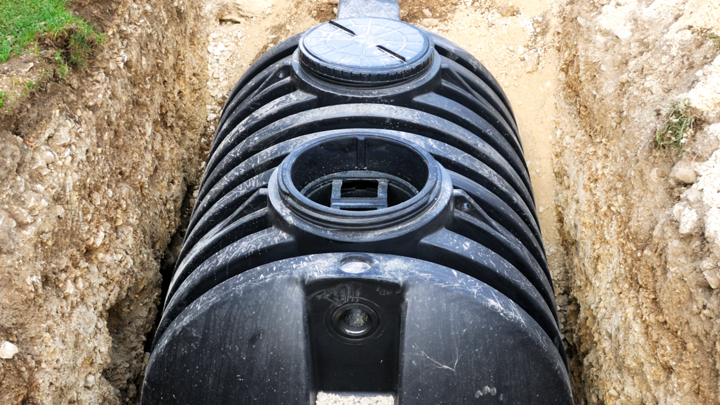
That’s why they match so naturally with systems like advanced septic tank solutions in Vermont . The upstream tank does the initial job. The trickling filter refines it. The soil finishes the cycle without being overwhelmed.
This pairing provides the reliability homeowners want and the compliance engineers need.
When Vermont’s Regulations Tighten, Trickling Filters Step Up
Vermont has some of the strictest rules for wastewater treatment in Vermont and they get stricter every year. Systems need better denitrification. Lower organic loads. Cleaner effluent. More reliable winter performance.
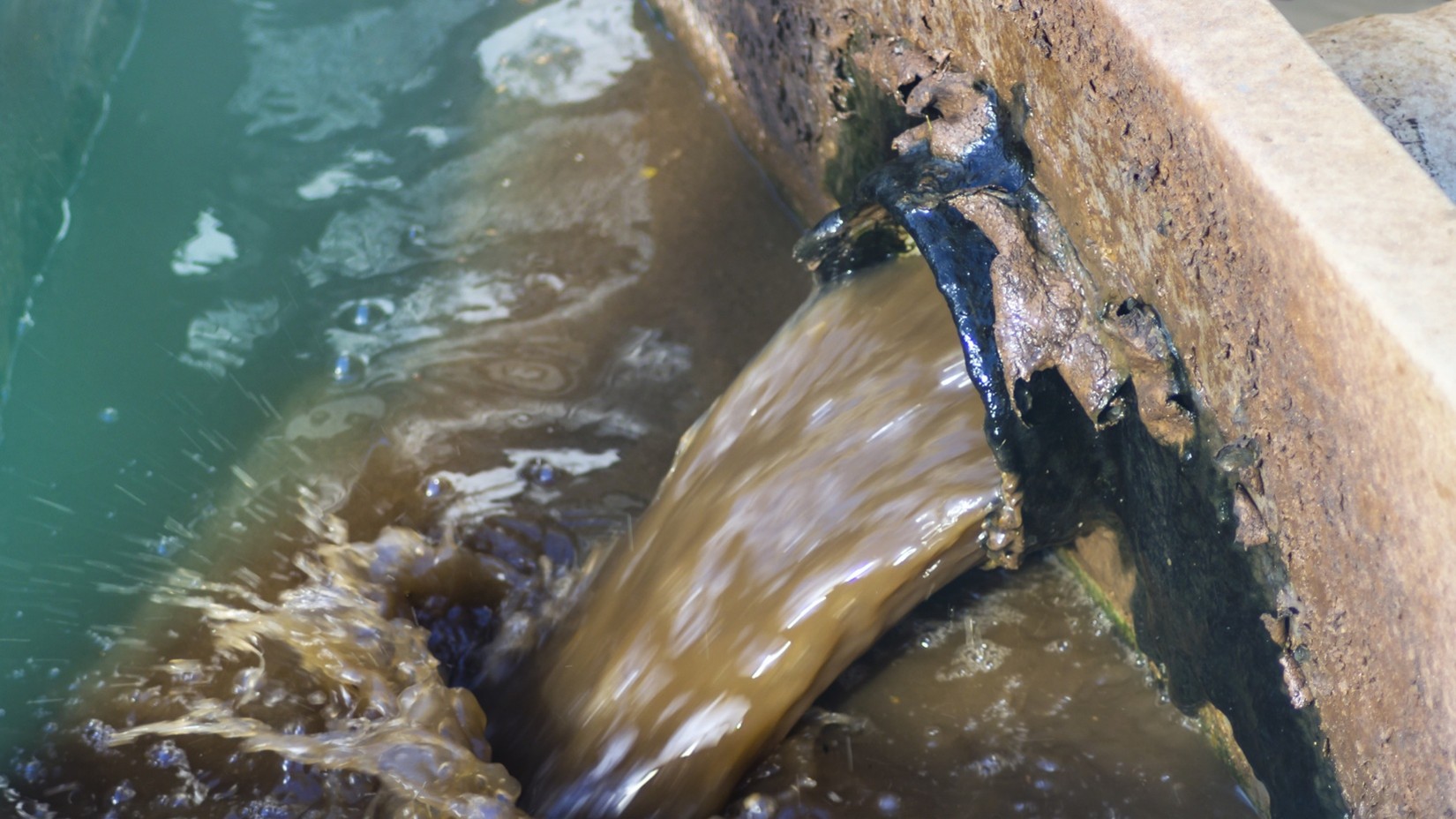
Trickling filters already meet many of those standards without needing power-hungry equipment or constant monitoring. New engineered media makes them even more efficient, giving them a far stronger performance curve than their decades-old predecessors. And here’s the part engineers keep repeating they offer consistent treatment even during sudden climate swings.
That’s why trickling filter wastewater treatment in Vermont is becoming the go-to recommendation for sites that need long-term stability without a high-maintenance design.
Vermont’s Future Still Includes Trickling Filters, and the Data Backs It Up
The more unpredictable the weather becomes, the more valuable stable systems become. And that’s exactly what trickling filters deliver: stability. Not just in ideal lab conditions. Not just when the weather behaves. But all year long.
That’s why wastewater treatment in Vermont continues to lean on trickling filters. Because when real-world conditions get messy, the system that adapts naturally is the one that lasts.
If your septic system is always causing problems, it might be time to call SeptiTech. They’ve got something called the STAAR® system that just works. You won’t need to keep checking on it or worry about constant upkeep.

It’s made to handle the heavy lifting without you even thinking about it. Whether it’s for your home or a bigger property, they know how to set up a system that fits what you need. Give them a call at 207.333.6940 or fill out a form here. See how they can make things simpler for you.


 (207) 333-6940