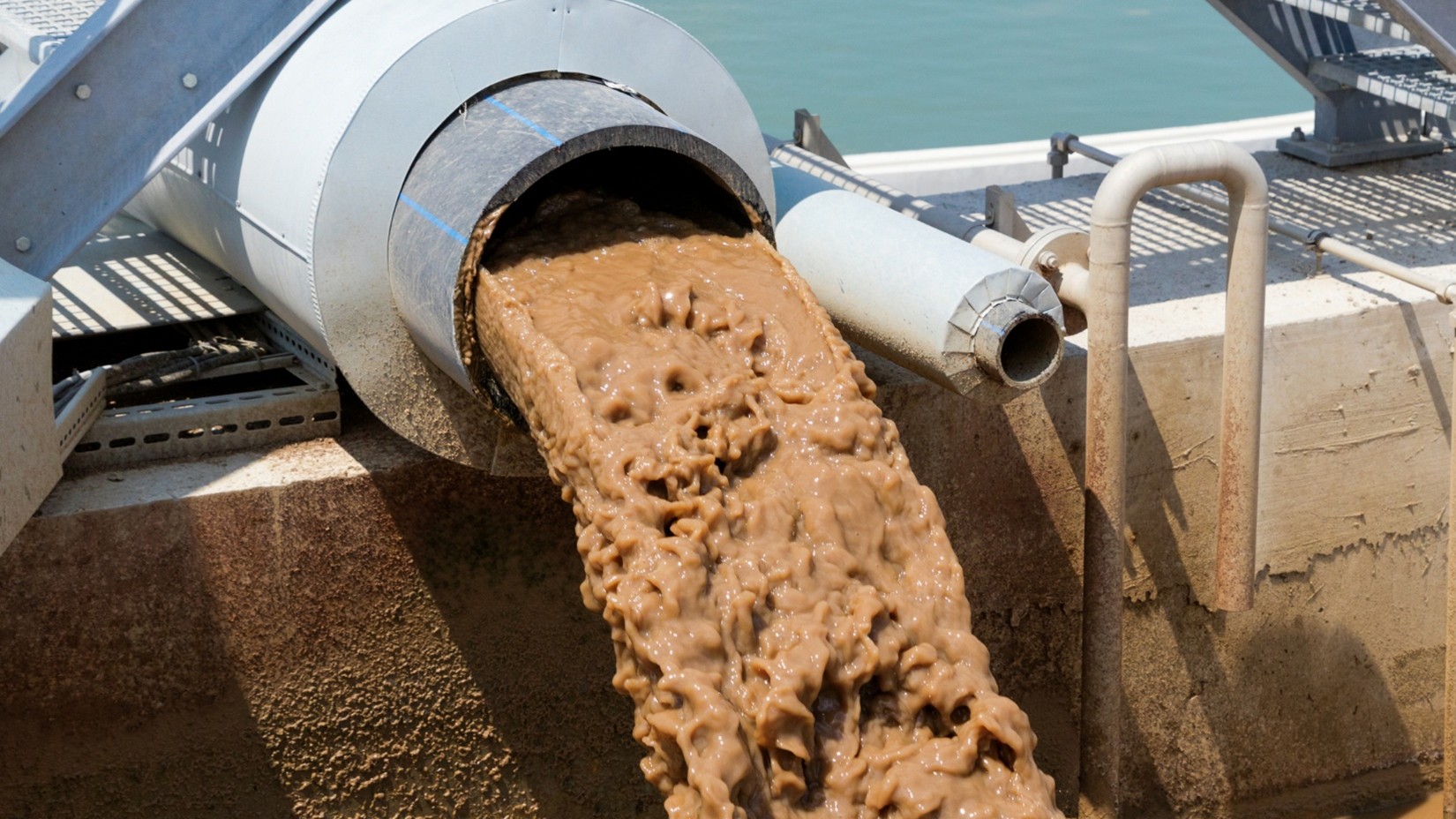
Portland never makes things easy. One week the soil feels like concrete, the next week it’s soaked for days, and by the weekend everything is frozen again. Anyone working in wastewater systems around here knows the pattern. Nothing behaves the same two days in a row. That’s why homeowners, engineers, and installers keep asking a simple question: why do trickling filters still outperform newer systems when it comes to wastewater treatment in Portland?
The answer is the same thing professionals say to you in the field: trickling filters work with the climate instead of fighting against it. And in Portland, that gives them a huge advantage.
Portland’s Climate Pushes Wastewater Systems to Their Edge
- Portland’s Climate Pushes Wastewater Systems to Their Edge
- Why the Filtration Method Outperforms Mechanical Aeration
- And here’s the payoff:
- Protecting Portland Soil, the Most Overlooked Benefit
- Why Biology Beats Machinery in Real Portland Conditions
- How Trickling Filters Fit with Advanced Septic Technology
- Why Trickling Filters Still Win in 2026
The freeze–thaw cycles here don’t just test roads and foundations; they stress wastewater systems too. Snowmelt loads the soil with water. Cold nights slow biological activity. Storms push more flow toward treatment tanks than they were ever designed for. Portland is unpredictable, and wastewater systems must handle every version of that unpredictability.
The reason wastewater treatment in Portland leans so heavily on trickling filters is because the biology inside them adapts fast enough to survive all of that. Even when temperatures swing hard, the inner layers of the biofilm continue to work. When things warm up, the upper layers re-activate quickly.
There’s no panic. No downtime. No complicated recalibration.
Systems full of mechanical aeration don’t always bounce back that easily. When motors freeze or fans stall, the whole system struggles. But a trickling filter runs on gravity and natural airflow, the two things that don’t shut down during cold weather.
Why the Filtration Method Outperforms Mechanical Aeration
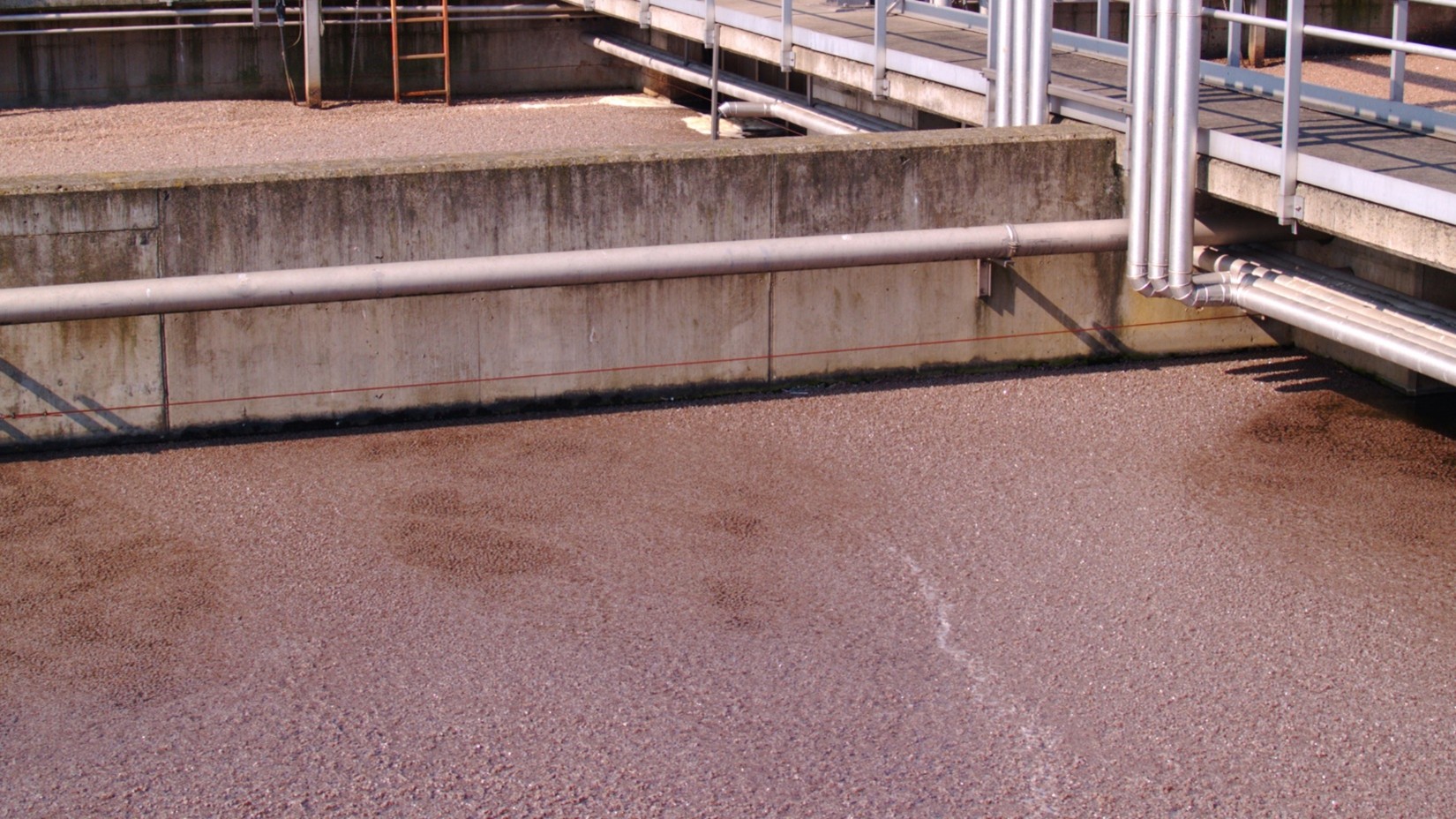
Here’s the part most homeowners don’t realize: the simpler the process, the more consistent it becomes. Trickling filters don’t rely on pressurized air. They don’t use expensive blowers. They don’t require constant mechanical input. Instead, they rely on the biofilm that naturally forms on the media.
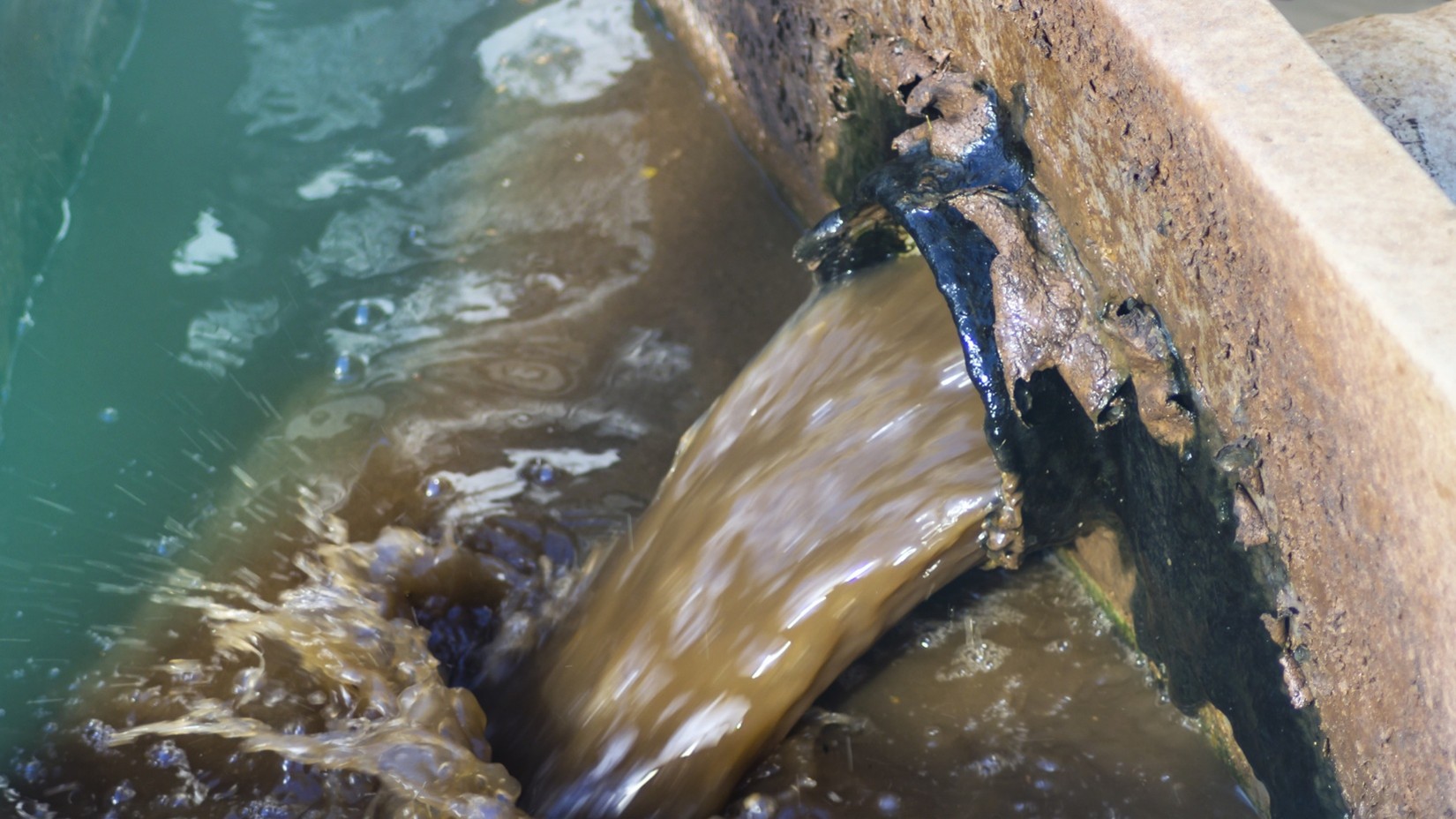
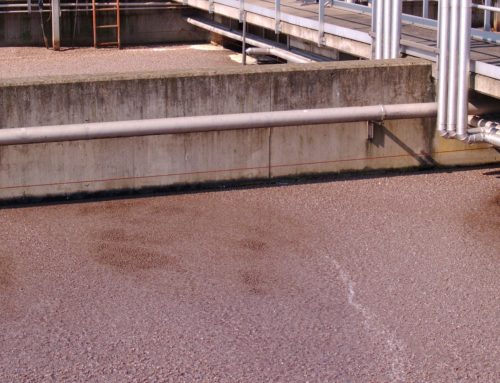
This is the heart of trickling filter wastewater treatment in Portland, ME. Wastewater is distributed across the media, and microorganisms break down the organic load as it trickles through.
And here’s the payoff:
When flow increases after storms, the biofilm expands to match it. When the flow slows down, the biofilm shrinks. It self-regulates without expensive equipment or complex monitoring.
When engineers talk about systems that “flex,” this is exactly what they mean. The system responds without constant intervention, which is why it stays stable even during the busiest weeks of the year.
That’s something newer mechanical systems still struggle with in real-world conditions.
Protecting Portland Soil, the Most Overlooked Benefit
Every wastewater system, no matter how advanced, eventually relies on soil for final dispersal. And the soil in this area is a wildcard. Sometimes it drains beautifully. Sometimes it refuses to drain at all. Sometimes it acts like it’s frozen six inches down even in March.
That’s why trickling filter wastewater treatment in Portland is such a natural fit. The trickling filter performs so much treatment upfront that the soil sees far cleaner effluent. That means fewer failures, fewer backups, and far less stress on the drain field.
For properties with poor drainage, this can be the difference between a long-lasting system and a constant repair cycle.
This is also where supporting systems like wastewater trickling filters in Portland, ME continue to shine. They protect the final stage of the system, especially in colder months or saturation-heavy seasons.
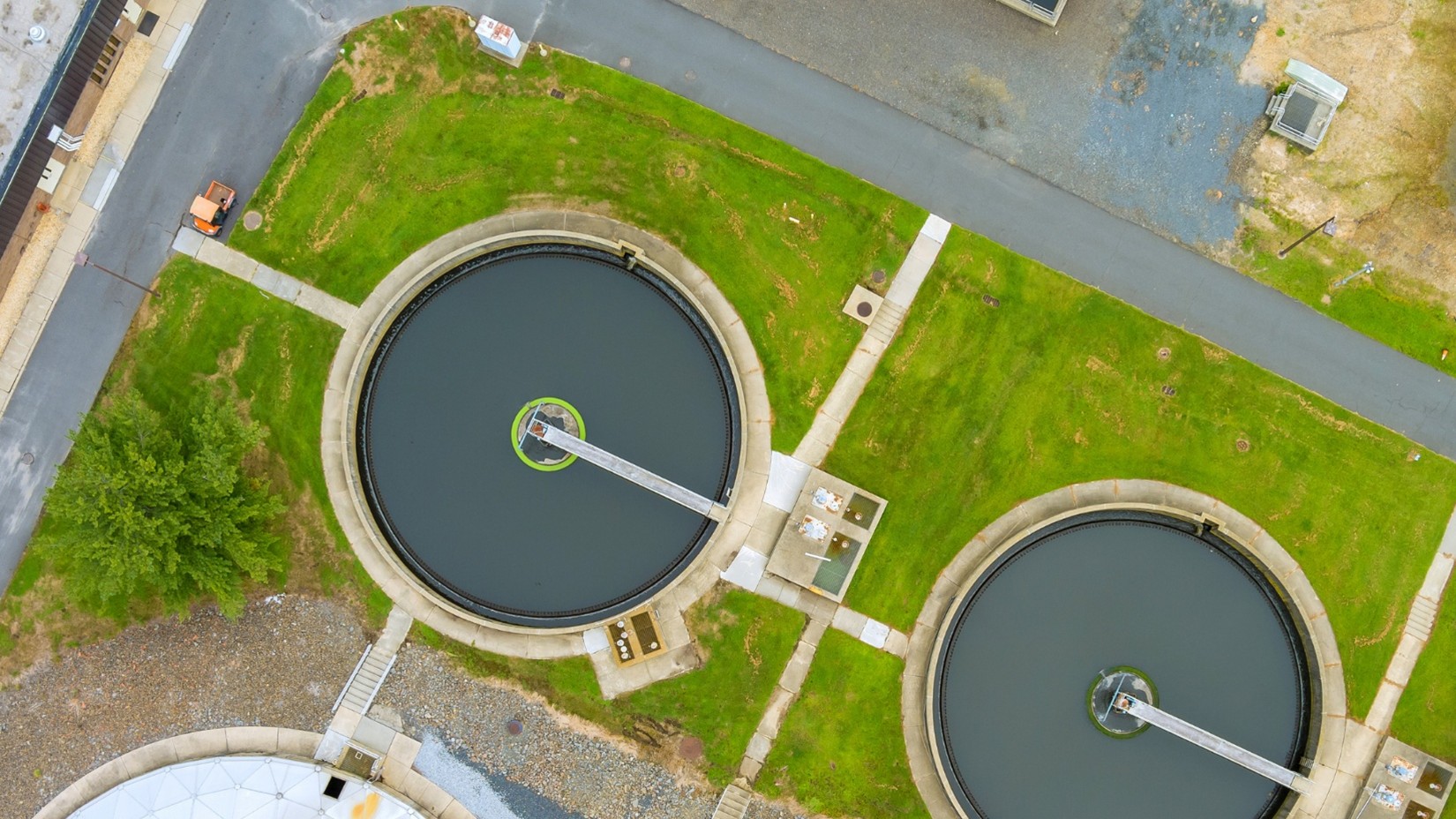
Why Biology Beats Machinery in Real Portland Conditions
Mechanical systems sound great, until it gets cold.
Trickling filters rely on biology first. And the biofilm inside the media keeps functioning even when the surface layers slow down. The deeper layers insulate themselves from cold temperatures. That’s why wastewater trickling filters in Portland remain active in late winter when other systems need troubleshooting.
This consistency is the reason they’ve lasted through decades of climate changes, new technologies, regulatory updates, and evolving standards. No matter what Portland weather looks like, the natural process continues.
And when you pair that biological reliability with modern engineering, you get something even stronger.
How Trickling Filters Fit with Advanced Septic Technology
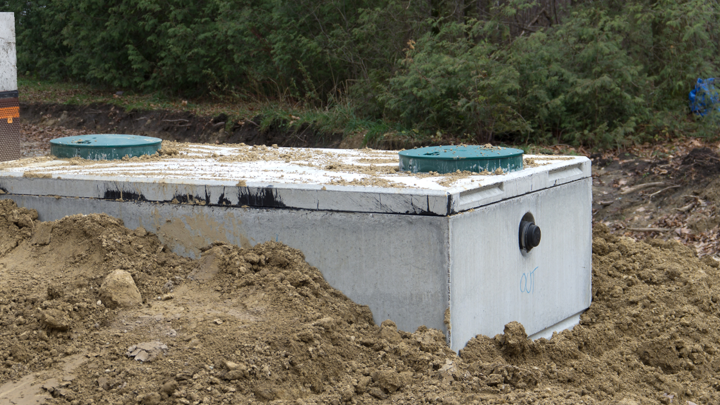
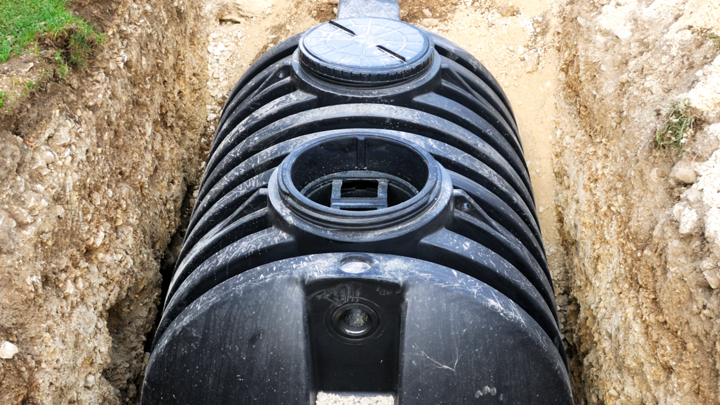
Trickling filters aren’t stand-alone systems anymore. They’re part of integrated technologies that combine primary treatment, biological polishing, and final dispersal. That’s why they pair perfectly with advanced septic tank solutions in Portland, ME.
The septic tank handles the initial separation.
The trickling filter does the biological refinement.
The soil handles the final dispersal with far less stress.
When all three work together, the system lasts longer, handles more flow, and stays more reliable in extreme weather.
For Portland homeowners, that’s a real-world advantage, and a cost-saving one.
Why Trickling Filters Still Win in 2026
Even with new digital monitoring systems and high-tech treatment modules, trickling filters continue to outperform alternative secondary treatments in real Portland soil.
The climate is tough.
The drainage is unpredictable.
The weather changes faster than the ground can respond.
And in the middle of all that, trickling filters stay steady.
That’s the difference between a system that looks good on paper and a system that works here, in these conditions, with this soil, year after year.
When professionals in the field recommend trickling filters for wastewater treatment in Portland, it’s not because the technology is old , it’s because the technology is proven.
If your septic system is always causing problems, it might be time to call SeptiTech. They’ve got something called the STAAR® system that just works. You won’t need to keep checking on it or worry about constant upkeep.

It’s made to handle the heavy lifting without you even thinking about it. Whether it’s for your home or a bigger property, they know how to set up a system that fits what you need. Give them a call at 207.333.6940 or fill out a form here. See how they can make things simpler for you.


 (207) 333-6940